

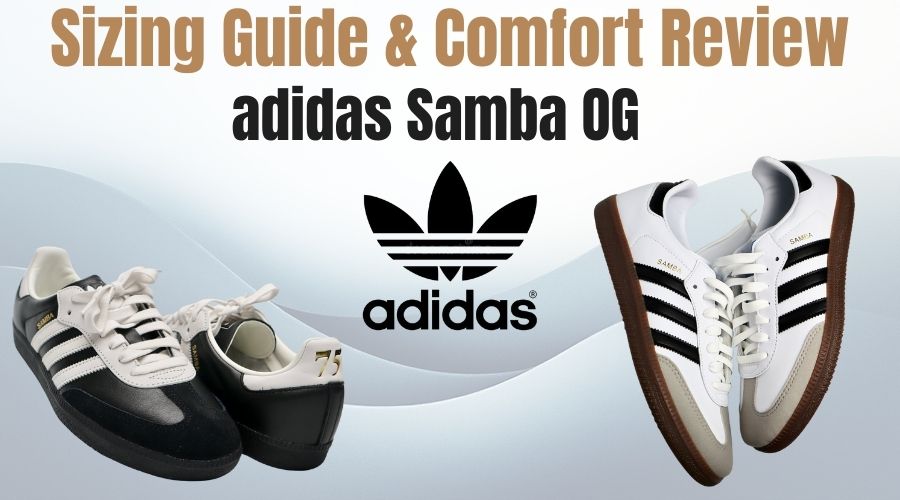
But its massive popularity comes with one recurring, crucial question: what size should you actually buy ? The Samba has earned a reputation for running narrow, which creates legitimate sizing confusion for first-time buyers ordering online.
For most people, especially those with normal to wide feet, we strongly recommend going half a size up from your usual size. Only those with genuinely narrow feet will feel comfortable taking their standard true-to-size measurement. This single piece of advice will save you from the disappointment of receiving a pair that feels uncomfortably tight across the forefoot.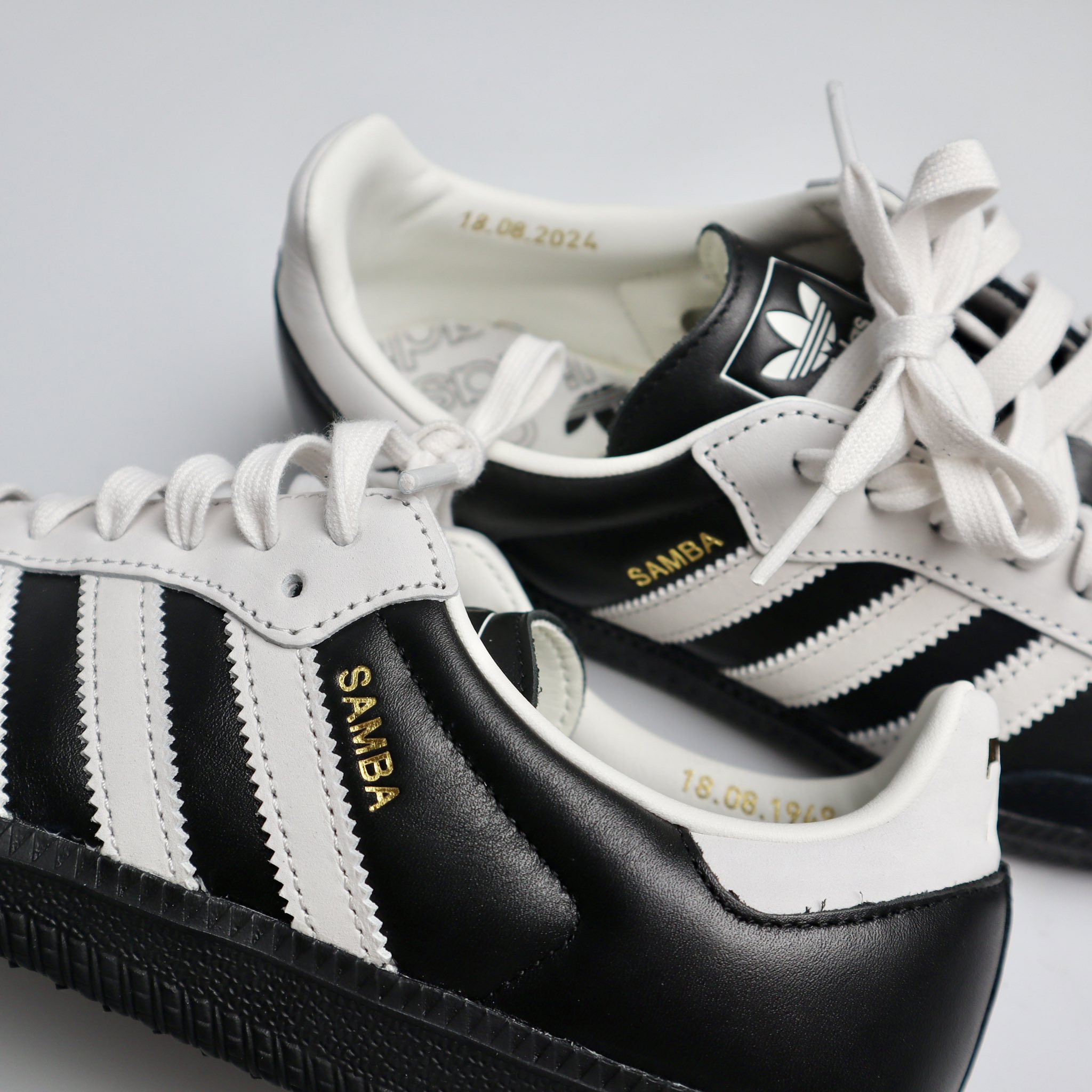
Fit Analysis: Why Is the Samba So Different ?
Understanding the Samba's unique fit requires looking at its heritage. This is a sport shoe designed to be close-fitting and precise, created for the specific demands of indoor soccer where foot-to-ball connection and agility matter. That athletic DNA means a sleek, elongated silhouette with minimal internal volume—the opposite of chunky, roomy lifestyle sneakers.
The leather upper (or suede on certain colorways) is premium quality, but it's not particularly stretchy. Modern performance shoes often use engineered knit or flexible synthetics that adapt to foot shape. The Samba's traditional construction maintains its shape rigidly. Don't expect the shoe to "break in" significantly in width—what you experience initially is essentially what you'll live with long-term.
The shoe's shape creates specific fit challenges: The profile sits low to the ground with minimal midsole height. The toe box tapers toward the front rather than offering a rounded, spacious chamber. The overall last (the foot-shaped form shoes are built around) runs decidedly narrow through the midfoot and forefoot. This creates that signature sleek appearance, but it also means less room for your foot laterally.
The gum rubber sole is relatively flat without much contouring, which emphasizes ground feel but provides minimal accommodation for higher arches or wider feet. Combined with the snug leather upper, you get a performance-oriented fit that prioritizes precision over plush comfort.
Bottom line: The Samba was engineered for athletic performance with a close, narrow fit. Its transition to lifestyle wear hasn't changed the fundamental construction, which is why sizing adjustments are so important for casual wearers.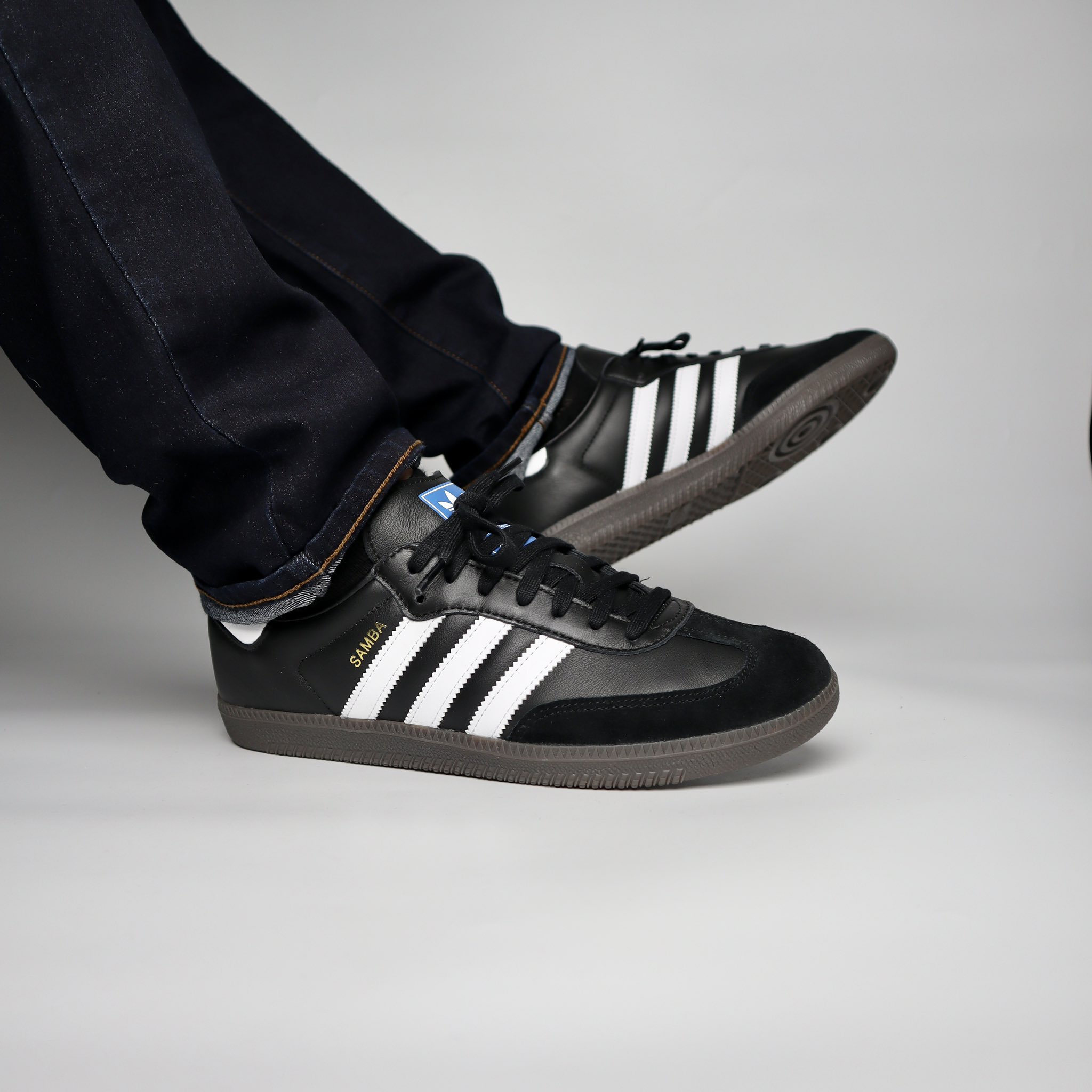
Our Sizing Recommendations by Foot Type
For Very Narrow Feet
This is the only scenario where true to size (TTS) is a viable option. If you consistently struggle with sneakers feeling too roomy, if your feet swim in standard-width shoes, or if you regularly need narrow-width sizing in other brands, then your usual size might work in the Samba.
Even so, expect a "snug fit"—the shoe will wrap your foot closely without much extra space. This precision is exactly what narrow-footed wearers often seek and struggle to find in modern sneakers that tend toward roomier constructions. The Samba's athletic origins work in your favor here.
Test the fit carefully if possible. Your toes should have minimal space at the front (about a thumbnail's width), and the sides should feel secure without painful pressure. If you experience any discomfort across the ball of your foot, even with narrow feet, consider sizing up.
For Normal Feet
This is the recommendation for the majority of Samba buyers: go half a size up. This is the safest, most comfortable choice that balances the Samba's narrow construction with wearable all-day comfort.
Going up half a size provides the necessary width to prevent lateral pressure on the ball of your foot and your little toe—the two most common complaint areas. The extra half size gives breathing room without making the shoe excessively long. You might notice slightly more space in front of your toes, but this is preferable to the cramped, uncomfortable sensation of the "correct" size that's actually too narrow.
If you normally wear a US 9, order a US 9.5 in the Samba. If you're a US 10.5, get an US 11. This simple adjustment transforms the Samba from uncomfortably snug to pleasantly secure. The leather will soften slightly with wear, but it won't stretch enough to fix a too-tight initial fit.
For Wide Feet
Be very direct with yourself: going half a size up is non-negotiable if you have wide feet. The Samba's narrow last and tapered toe box simply don't accommodate width at true-to-size measurements. Trying to force it leads to painful pressure points, numbness, and a shoe you'll never want to wear.
For genuinely wide feet (those who typically need 2E or 4E width in other brands), consider going a full size up. Yes, the shoe may feel slightly long, with more space past your toes than ideal. But this is vastly preferable to the lateral squeeze you'll experience at half size up or true to size.
The trade-off with going a full size up is excess length. Your heel might slip slightly during walking if the shoe is too long. Combat this with the lacing system—skip the bottom eyelets and start lacing from the second or third set to pull the midfoot tighter while allowing the forefoot to remain spacious. Thicker socks can also help fill volume without compromising width.
Pro tip: Adidas does not widely offer the Samba in official wide-width versions, so sizing up is your only reliable solution. Don't hope the leather will stretch enough—it won't.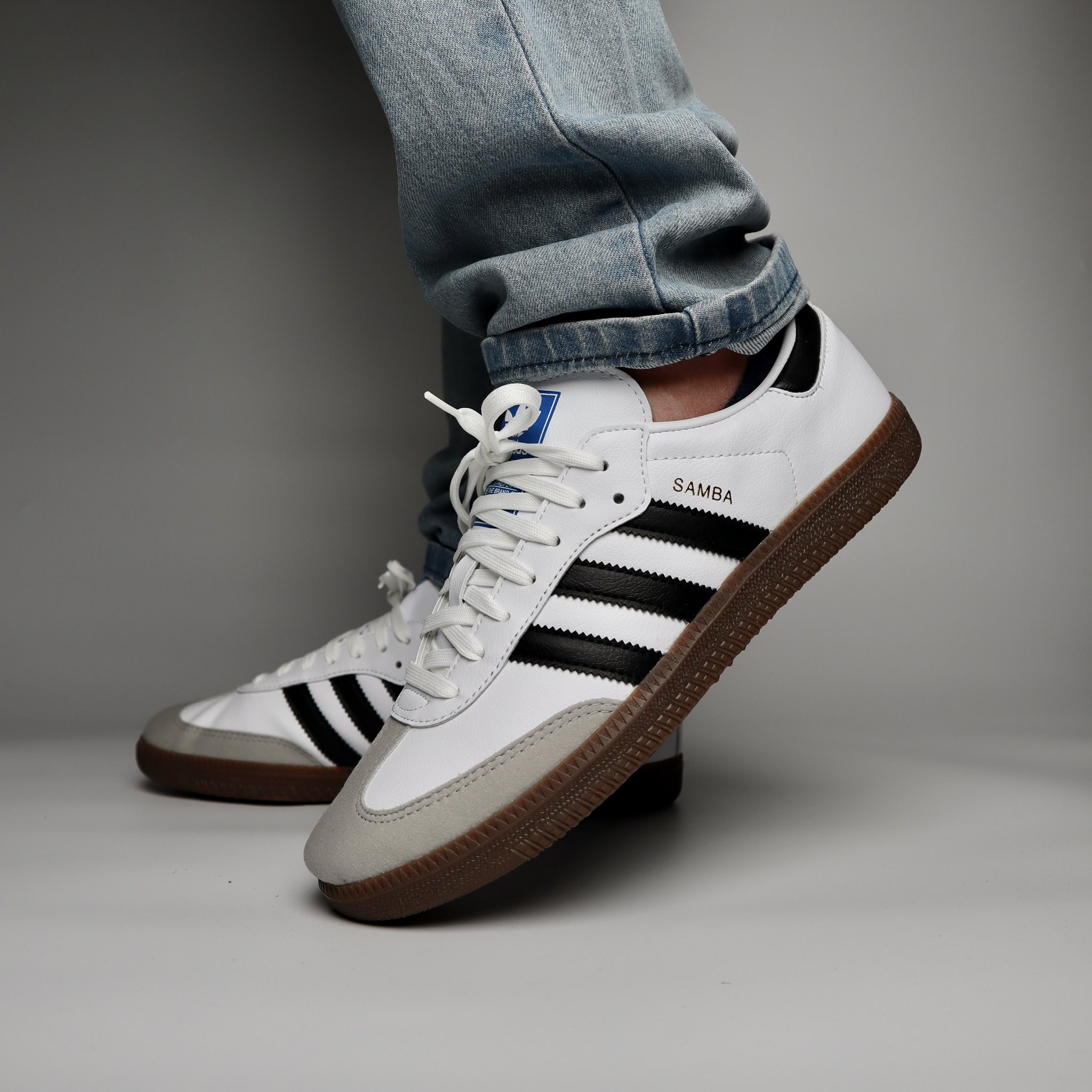
Sizing Comparison: Samba vs Other Classics
Adidas Samba vs Adidas Gazelle
This is the most relevant comparison since both shoes occupy similar style territory and many buyers cross-shop them.
The Gazelle runs slightly wider than the Samba. If you already own Gazelles and they fit comfortably, take that same size in the Samba, or consider going half a size up if your Gazelles already feel snug. The Gazelle's suede upper is more forgiving than the Samba's leather, and the last is marginally roomier.
If your Gazelles fit with a bit of extra room, stick with that size for the Samba. If your Gazelles feel perfectly fitted or slightly tight, definitely go up half a size on the Samba. The narrower construction means the tolerance for error is smaller.
Adidas Samba vs Adidas Stan Smith / Superstar
Stan Smiths and Superstars are considerably more spacious with rounder toe boxes and wider midfoot construction. Many people actually size down on Stan Smiths because they run large and wide.
Take at minimum half a size up from your Stan Smith size, possibly a full size. If you wear US 10 in Stan Smiths, order US 10.5 or even US 11 in Sambas depending on your foot width. The fit philosophy is completely different—Stan Smiths offer a relaxed, roomy fit while Sambas are precision instruments.
The Superstar, with its iconic shell toe, also runs wide and roomy. Apply the same sizing strategy: at least half size up from your Superstar size for the Samba.
Adidas Samba vs Nike Dunk Low / Air Force 1
Nike sizing provides a helpful reference point. Nike Dunks generally fit true to size with standard width, making them a good baseline.
Take at minimum half a size up from your Nike Dunk size. If you're a US 9 in Dunks, order US 9.5 in Sambas. Some wider-footed individuals may even need a full size up depending on how their Dunks fit.
For Air Force 1 wearers, remember that AF1s run notoriously large and wide—many people size down half a size. Don't apply that logic to Sambas. Instead, figure out your true size based on other shoes, then apply the half-size-up rule for Sambas.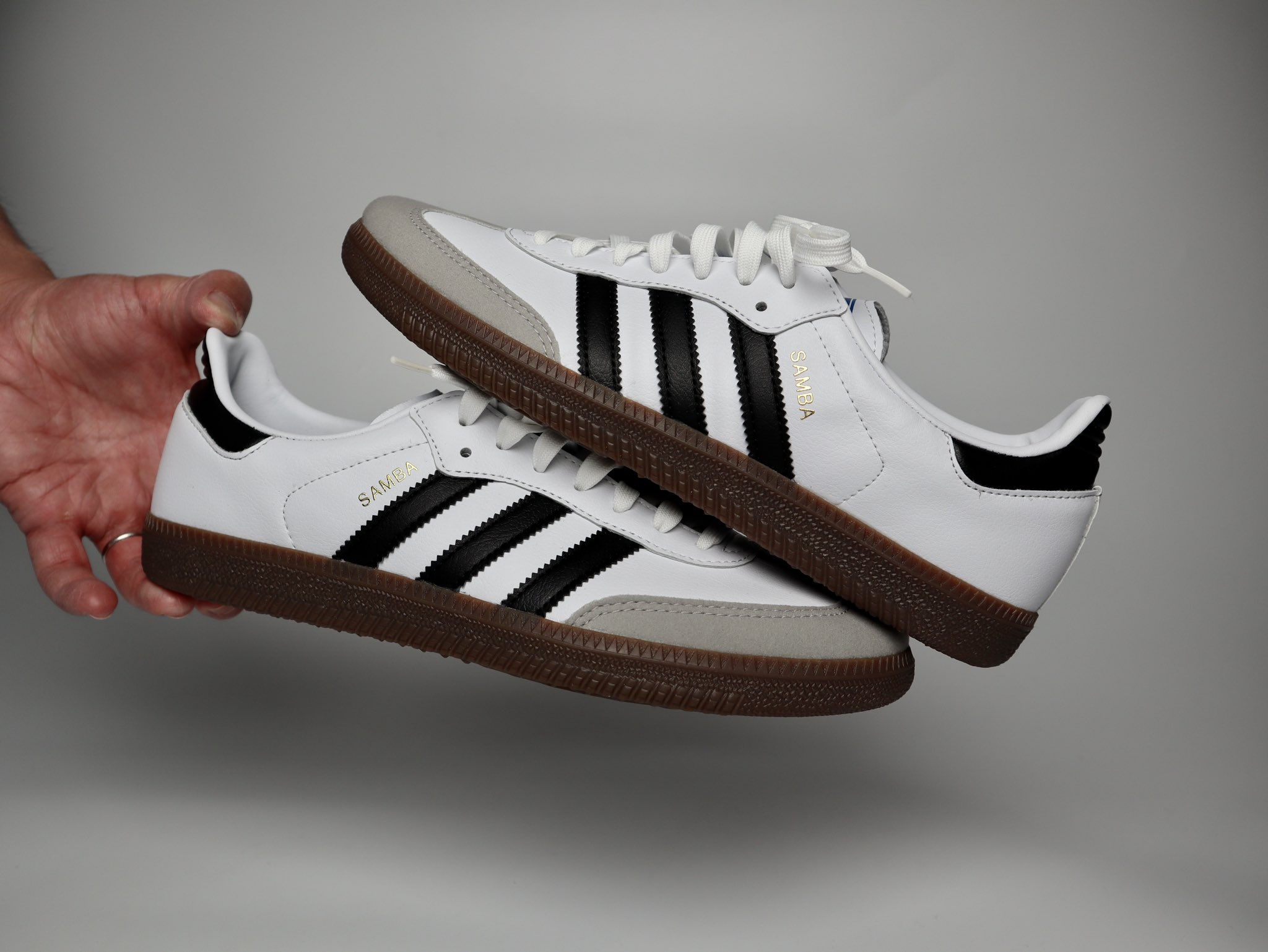
Men's vs Women's Sizing: Important Note
The Samba is a unisex silhouette, but sizing can appear in either US Men's (M) or US Women's (W) format depending on where you're buying and which colorway. This creates potential confusion since women's sizing runs 1.5 sizes different from men's (a women's US 8 equals a men's US 6.5).
Pro tip: Always reference EU sizing or CM (centimeter) measurements, which are universal. EU 42 is EU 42 whether it's listed under men's or women's. This eliminates conversion errors and ensures you're getting the actual size you need.
If you must work with US sizing, know your foot measurement in centimeters or use a reliable conversion chart. The Samba's narrow fit makes sizing mistakes especially painful, so take the extra moment to verify you're ordering the correct equivalent.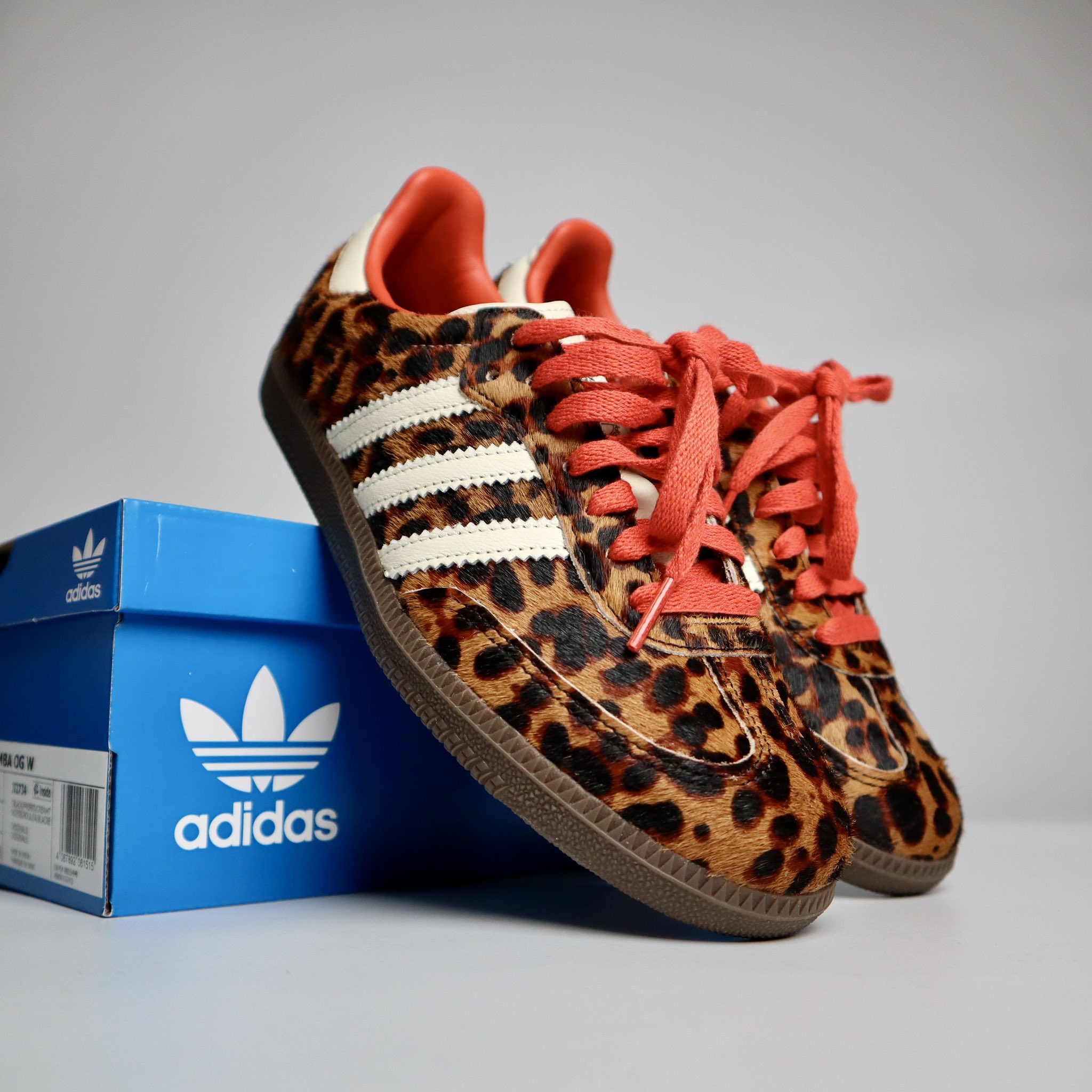
FAQ - Frequently Asked Questions
Do Adidas Sambas stretch out over time?
Very minimally in width. The leather or suede upper will soften and become more supple with wear—the material develops character and molds slightly to your foot's contours. But don't expect significant stretching that transforms a too-tight fit into a comfortable one.
The leather might give perhaps 2-3mm at most with extensive wear, but this isn't enough to fix a fundamentally wrong size. Don't buy Sambas counting on them stretching. Get the right size initially based on our recommendations. The upper will become more comfortable as it breaks in, but the actual dimensions remain largely unchanged.
Do Samba OG and Samba Classic fit the same?
Yes, the fit is identical. The differences between these versions are purely aesthetic: the Samba OG features a slightly longer tongue and gold foil branding, while the Samba Classic has a shorter tongue. The underlying last, construction, and sizing are the same.
Some colorway variations use different materials (leather vs suede), which can affect how the upper feels initially, but the actual dimensions don't change. Apply the same sizing strategy regardless of which Samba variation you're buying.
Are Sambas comfortable for all-day wear?
With the correct size, absolutely. The flat gum sole provides excellent ground feel and the low-profile design feels natural during walking. However, the minimal cushioning means they're not ideal for activities requiring serious impact absorption like long-distance walking or standing on hard surfaces for 10+ hours.
The key phrase is "with the correct size"—an improperly sized Samba becomes uncomfortable quickly due to lateral pressure. Get the sizing right, and the Samba is a versatile all-day option for casual wear, light activity, and urban exploration.
Can I wear Sambas for actual indoor soccer?
Technically yes, but modern options are better. The current Samba releases are marketed as lifestyle shoes with heritage styling rather than performance footwear. While the gum rubber sole still provides decent traction on indoor courts, the materials and construction prioritize style over athletic performance.
If you're playing casual pickup games, they'll work fine. For competitive indoor soccer or futsal, look at Adidas' current performance indoor shoes like the Predator or Copa series, which feature updated technologies and materials optimized for the sport.
Final Verdict: Your Perfect Samba Size
The golden rule for Adidas Samba sizing: Narrow feet = true to size. Normal to wide feet = half a size up (or full size for genuinely wide feet).
This isn't a complicated formula, but it requires honesty about your foot width. When in doubt, size up rather than down—a slightly long shoe is infinitely more wearable than a painfully tight one. The Samba's narrow construction is unforgiving, and hoping for stretch that won't come leads to buyer's remorse.
Now that you know exactly what size to order, it's time to choose your colorway. The Samba's timeless design comes in endless variations from classic black with white stripes to bold collaborative projects. Discover the latest Adidas Samba releases available from our trusted retail partners:
Shop Samba on Adidas Store : Shop US / Shop EU - Direct from the brand with the fullest colorway selection and occasional exclusive releases
Browse Samba at JD Sports - Excellent UK/EU availability with regular restocks of popular colorways
Check Samba at Foot Locker - North American buyers get strong stock and new release access
Explore Samba on StockX - Secondary market for sold-out collaborations and limited editions
Find Samba at Size? - UK retailer specializing in Adidas with competitive pricing
The Samba's accessible price point (typically $100-120 USD / £85-100 GBP / €100-110 EUR for standard releases) and incredible versatility make it one of the best value propositions in classic sneakers. Get the sizing right, and you'll understand why this 70-year-old design remains more relevant than ever.