Cookie Consent by Free Privacy Policy Generator website

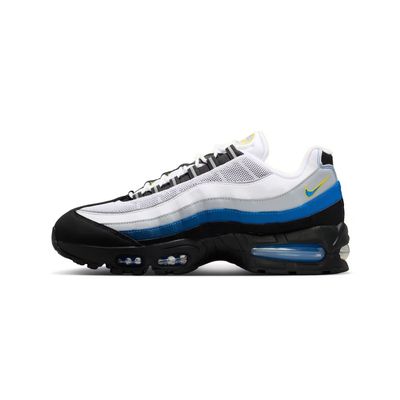
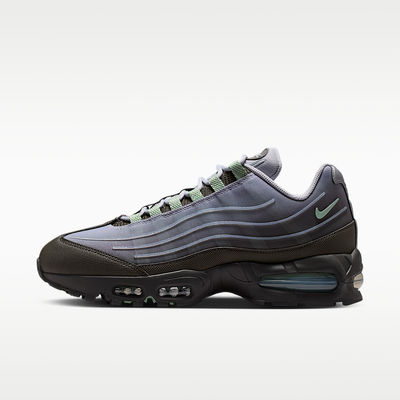
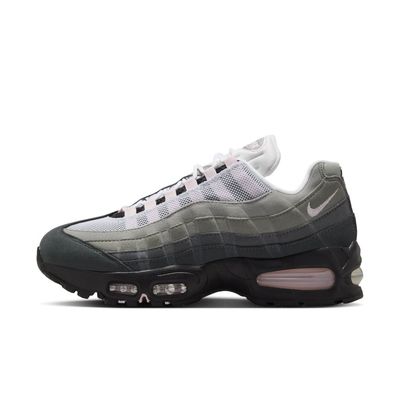
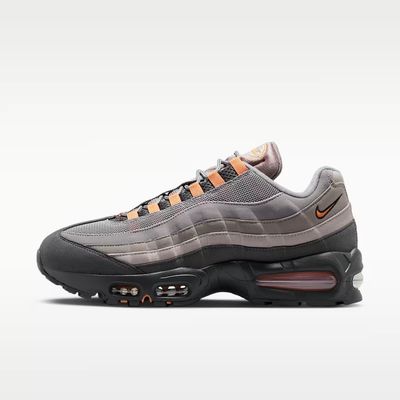
Nike Air Max 95 Sneakers Releases

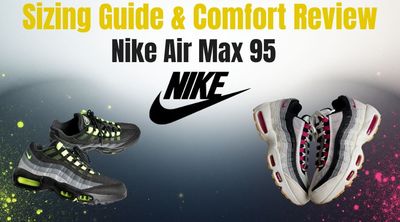
Nike Air Max 95 : The Anatomical Monster That Defined Streetwear

The Nike Air Max 95 stands as one of the most distinctive and enduring silhouettes in sneaker history, a design so bold and unconventional that it polarized audiences when it launched in 1995 and continues to command fierce loyalty three decades later. Created by designer Sergio Lozano and inspired by human anatomy—the graduated panels representing muscle tissue, the lace loops mimicking a ribcage, the midsole suggesting a spine—the Air Max 95 was the first Nike running shoe to feature visible Air cushioning in the forefoot, revolutionizing both performance and aesthetics. Known as "the 110" in the UK (after its original retail price), the Air Max 95 has transcended its running origins to become streetwear royalty, particularly in British urban culture where it remains the definitive statement shoe for those who understand that true style doesn't chase trends—it creates them.

Showing Products 1-48 of 186 Results

How Does the Air Max 95 Fit ? The Critical Sizing Question

The Air Max 95 has a well-deserved reputation for running narrow, and understanding this fit characteristic is essential before purchase—especially given the shoe's premium price point of $180-190. The construction that makes it visually distinctive also creates a snug, structured fit that doesn't accommodate all foot shapes equally.

For Average to Narrow Feet: The Air Max 95 fits true to size (TTS). Order your standard Nike size and expect a secure, performance-oriented fit. The shoe was originally designed for running, so the snug midfoot and heel lockdown are intentional—they prevent foot movement inside the shoe during athletic activity. The substantial internal padding cradles your foot, creating a "hugged" sensation that many wearers appreciate for its supportive feel. If you have standard-width feet and don't typically size up in sneakers, stick with your usual size.

For Wide Feet: This is where careful attention is critical. The Air Max 95's narrow profile and rigid toebox make it genuinely uncomfortable for wider feet at standard sizing. The graduated panels that create the shoe's signature look are constructed from layered materials (leather, synthetic overlays, mesh) that don't stretch significantly with wear. Going up half a size is not just recommended—it's essential for comfort. The extra half size provides width accommodation without creating excessive length that would affect the shoe's appearance or cause heel slip.

The toebox, in particular, is notably more structured and less forgiving than other Air Max models. Where the Air Max 90 or Air Max 1 might gradually conform to your foot shape after break-in, the Air Max 95's reinforced toe construction maintains its shape. If your toes feel cramped or pinched during initial try-on, that discomfort won't significantly improve with wear—size up.

Comparison to Other Nike Models: The Air Max 95 runs narrower than the Air Force 1 (which has a generous, roomy fit) and slightly narrower than the Air Max 1 (which offers medium width). It's comparable in narrowness to certain Jordan models like the Air Jordan 4 but with less break-in flexibility due to the layered panel construction. If you typically size up in narrow-fitting sneakers, apply that same strategy to the Air Max 95.

Height Consideration: The Air Max 95's substantial midsole stack—featuring visible Air units in both heel and forefoot—adds approximately 3.5-4cm of height. This elevation is one of the shoe's appeals for many wearers but can affect how you perceive fit. The higher platform means your foot sits at a different angle than in flatter shoes, which some people find takes adjustment, particularly when walking on uneven surfaces or stairs.

Break-In Period: Unlike leather sneakers that soften and conform with wear, the Air Max 95's break-in is minimal. The materials maintain their structure rather than molding dramatically to your foot. What you feel during your first wear is approximately what you'll experience long-term. Don't purchase a snug-fitting Air Max 95 expecting it to "stretch out"—it won't significantly.

Comfort and Durability: The Indestructible Legend

The Nike Air Max 95's reputation for exceptional durability is well-earned and represents one of its strongest value propositions despite the premium pricing. This is a shoe engineered to withstand years of regular wear, constructed with materials and methods that prioritize longevity over cost optimization.

The Comfort Foundation: The Air Max 95 was groundbreaking in 1995 for introducing visible Air cushioning in the forefoot—not just the heel where previous Air Max models featured it. This dual Air setup (forefoot and heel) creates a balanced cushioning experience that differs from heel-only Air models. The ride is firm rather than soft—this isn't plush, pillowy cushioning but responsive, supportive impact protection. The firmness is deliberate; it was designed for the repetitive impact of running, providing stable ground feel rather than maximum softness.

For walking and casual wear, the comfort is excellent for those who prefer a grounded, stable platform. The shoe doesn't compress excessively or feel mushy, which means it maintains consistent support throughout the day. The substantial internal padding around the collar and tongue adds comfort at contact points, preventing the pressure spots that plague poorly padded shoes. However, if you prefer very soft, cushioned sneakers (like UltraBoost or modern React foam models), the Air Max 95's firmer character might feel less comfortable initially. It's an acquired preference—many people come to prefer the solid, substantial feel.

The Weight Factor: The Air Max 95 is noticeably heavy compared to modern lightweight runners, typically weighing around 400-450 grams per shoe (men's size 9). This weight comes from quality materials and robust construction—premium leather, thick mesh, multiple overlay panels, substantial rubber outsole. For the Air Max 95's core audience, this weight is a feature, not a flaw. The shoe feels substantial and premium on foot, communicating quality and durability with every step. It's the opposite of flimsy or disposable.

Material Quality and Weather Resistance: Standard Air Max 95 colorways typically feature a combination of leather overlays, durable mesh base, and suede accents. These materials are genuinely weather-resistant—the leather repels moisture effectively, the mesh is dense enough to resist water penetration during light rain, and the construction prevents easy saturation. This makes the Air Max 95 particularly popular as a winter shoe in regions with wet, cold weather. The substantial build also provides more insulation than thin-upper sneakers, keeping feet warmer in cold conditions.

The rubber outsole is thick and uses durable compounds that resist wear exceptionally well. Even after months of daily use on concrete and asphalt, the outsole maintains its tread pattern and grip. The waffle-pattern traction pods are deep enough to provide effective grip on wet surfaces, and their placement ensures even wear distribution.

Longevity Reality: With proper care, an Air Max 95 can easily last 2-3 years of regular wear or longer with rotational use. The materials don't break down quickly, the stitching is reinforced at stress points, and the Air units are well-protected within the midsole structure (they rarely puncture or deflate). The most common wear points are the heel counter (where it might crease with extended use) and the toebox (where deep creasing can eventually create cracks in leather on heavily worn pairs). But these are signs of extensive use, not premature failure.

The Winter Workhorse: The Air Max 95's combination of durability, water resistance, warmth, and all-black colorway availability makes it exceptional winter footwear. Many wearers specifically purchase the "Triple Black" or other dark colorways for fall and winter seasons, knowing the shoe will handle rain, slush, and cold temperatures while maintaining appearance and performance. The darker colors hide salt stains and weathering better than lighter colorways, and the leather construction allows easy cleaning—a damp cloth removes most dirt and grime without requiring specialized sneaker cleaning products.

Style Guide: How to Wear the Air Max 95

The Air Max 95's bold, technical aesthetic requires confident styling—this isn't a shoe that quietly blends into outfits. It makes a statement, and your clothing should acknowledge rather than fight against that presence.

The Streetwear Standard: The Air Max 95's spiritual home is full Nike Tech Fleece or similar technical sportswear sets. This total-look approach—matching joggers and hoodie in black, navy, or grey—creates a cohesive streetwear uniform where the Air Max 95 functions as the foundation. The Tech Fleece's tapered fit works particularly well with the Air Max 95's chunky profile, creating balanced proportions. This is the default Air Max 95 outfit in UK street culture and for good reason—it's effortless, comfortable, and unmistakably intentional. Brands like Corteiz, Trapstar, or Nike's own sportswear lines pair naturally with this aesthetic.

Baggy Pants and Cargo Styling: The Air Max 95's substantial build demands pants with enough volume to drape over the shoe properly without bunching awkwardly. Baggy jeans (not skinny or slim fit), wide-leg trousers, or cargo pants in various fabrics work excellently. The key is ensuring the pant leg sits over the tongue and laces rather than stopping short and exposing the full shoe—this creates cleaner proportions and prevents the "clown shoe" effect that chunky sneakers can create with the wrong pants. Dark wash denim or black cargos are particularly versatile, working with most Air Max 95 colorways.

Sock Consideration: The Air Max 95's high-cut collar and substantial tongue demand proper sock pairing. Crew-length socks that rise above the ankle are essential—no-show socks or ankle socks look incomplete and create an awkward gap between pant hem and shoe collar. White or black crew socks are classics, but matching your socks to your outfit's color palette creates a more considered look. During summer when shorts are appropriate, mid-calf athletic socks in white or grey maintain the sporty aesthetic without looking juvenile.

What to Avoid: Several styling approaches will make the Air Max 95 look awkward or dated. Skip skinny jeans or any tight-fitting pants—the contrast between narrow legs and chunky shoes creates unflattering proportions and makes the Air Max 95's bulk more pronounced in a negative way. Avoid formal or business casual clothing; the Air Max 95's technical sportswear DNA clashes with chinos, button-ups, or blazers. Don't try to make the Air Max 95 "dressy"—it's unapologetically casual, and attempts to elevate it beyond that context look forced.

Seasonal Styling: In summer, keep it simple with athletic shorts (mid-thigh length, not too short) and a plain t-shirt or lightweight hoodie. In fall and winter, the Air Max 95 shines with outerwear—puffer jackets, technical shells, or even longer coats work well because they acknowledge the shoe's substantial presence with equally substantial upper layers. The full black or grey colorways become particularly versatile in colder months, functioning almost as winter boots that happen to be sneakers.

Essential Colorways and Where to Find Them

The Air Max 95's appeal lies partly in its extensive colorway library, but certain releases have achieved iconic status and represent the shoe at its best:

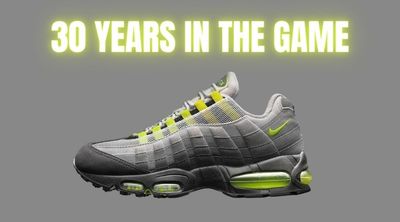
OG "Neon" (Grey/Neon Yellow): The original 1995 colorway and still the definitive Air Max 95. The gradient grey panels with electric yellow accents perfectly showcase Lozano's anatomical design concept. This colorway has been retroed numerous times, with the most faithful versions featuring proper materials and color-matching. When this releases, it sells out quickly—secure it at launch if you want it. The "Neon" transcends trends and represents the Air Max 95 in its purest form.

Triple Black: The ultimate versatile Air Max 95 and arguably the most purchased colorway globally. All-black construction works with everything, hides wear and weathering, and functions equally well for school, work (in casual environments), or going out. This is the Air Max 95 for people who want the silhouette's durability and comfort without the attention-grabbing colorways. It's almost always available and represents exceptional value for those prioritizing wearability.

Grey Fog: A more recent colorway that's become extremely popular, featuring soft grey tones with white and slightly darker grey accents. It offers the versatility of neutral colors while showcasing the Air Max 95's layered construction more visibly than Triple Black. This colorway works particularly well in spring and summer when all-black feels too heavy.

"Greedy" and Limited Releases: Nike periodically releases special editions—collaborations, anniversary retros, or experimental colorways that command premium prices and limited availability. These are for collectors rather than daily wearers, often reselling for significantly above retail. If you're new to Air Max 95s, start with OG or versatile colorways before hunting limited releases.

Availability varies by region and season, but major retailers (Nike, JD Sports, Foot Locker, END) typically stock core colorways consistently. Limited editions require monitoring release calendars and entering raffles. Stock moves quickly on popular colorways, so acting decisively at launch is essential for securing your preferred choice at retail pricing.

The Complete Nike Air Max 95 Guide (FAQ)

Does the Air Max 95 make you taller?

Yes, the Air Max 95 provides significant height increase compared to standard sneakers, adding approximately 3.5-4cm (roughly 1.4-1.6 inches) to your height. This elevation comes from the substantial midsole stack that houses the visible Air units in both heel and forefoot. The heel Air unit is particularly thick, creating the majority of the height addition, while the forefoot Air provides additional lift that many other shoes lack.

This makes the Air Max 95 one of the tallest Air Max models and genuinely noticeable when transitioning from flatter footwear. The height increase is proportional and balanced (not just heel elevation), so it doesn't create an awkward forward lean or affect walking mechanics. For many wearers, particularly those who appreciate extra height, this is a significant appeal of the Air Max 95 beyond its style and durability.

The platform height is built into the shoe's design rather than being an afterthought, so it doesn't compromise stability despite the elevation. The wide base and substantial outsole prevent wobbling or instability that can affect some platform shoes. If you're specifically seeking sneakers that add height while maintaining a masculine, performance-oriented aesthetic, the Air Max 95 is an excellent choice.

How should you lace Air Max 95s?

The Air Max 95 features a unique lacing system inspired by the human ribcage—instead of traditional eyelets, the laces thread through molded loops that arc across the midfoot panels. This creates both a distinctive look and functional considerations for lacing style.

The current trend, particularly in streetwear communities, is "loose lacing"—threading the laces through the loops without pulling them tight. This allows the heavily padded tongue to sit prominently forward and puff out slightly, creating a relaxed, broken-in appearance even on new pairs. Loose lacing also makes the shoe easier to slip on and off (though the Air Max 95 wasn't designed as a slip-on, many wearers treat it as one by leaving laces permanently loose).

For those who prefer traditional lacing, thread through all the loops and tie normally at the top. This provides maximum foot lockdown and support, closer to how the shoe was originally intended for running use. The midfoot hugs your foot more securely with tight lacing, reducing any internal movement. This is preferable if you're walking long distances or want the most supportive fit.

A middle-ground approach is to lace through the loops with moderate tension—not loose enough for the tongue to collapse forward, but not so tight that the loops cinch into your foot uncomfortably. This maintains the Air Max 95's distinctive profile while providing adequate support. Experiment to find your preference; there's no objectively "correct" way to lace Air Max 95s in casual contexts.

Can you run or do sports in Air Max 95s?

No, despite the Air Max 95 being originally designed as a performance running shoe in 1995, it's not appropriate for running or athletic activity by modern standards. The shoe has become purely lifestyle footwear for several important reasons.

First, it's significantly heavier (400-450g per shoe) than contemporary running shoes (typically 250-300g), creating unnecessary weight that increases energy expenditure and fatigue during running. Modern running shoe design has moved toward lighter materials and streamlined construction—carrying an extra 300+ grams per pair meaningfully impacts performance over any distance.

Second, the Air Max 95's tall midsole stack (3.5-4cm) creates an elevated platform that increases ankle instability risk during the lateral movements and ground transitions common in running. Running shoes have trended toward lower stack heights and improved ground feel for injury prevention; the Air Max 95's height made sense in 1995 but is now considered excessive and potentially risky.

Third, the cushioning technology is three decades old. While the visible Air units provide adequate impact protection for walking, they lack the responsiveness, energy return, and biomechanical sophistication of modern running foams like Nike's ZoomX or React. You'd be running in inferior cushioning compared to any contemporary running shoe.

The Air Max 95 excels at what it's now designed for: all-day casual wear, urban environments, style expression. Use it for walking, commuting, hanging out—contexts where its durability, comfort, and aesthetics shine. For running, choose actual modern running shoes.

Why does the Air Max 95 cost so much?

The Air Max 95's premium pricing ($180-190 for standard releases) reflects genuinely complex construction that's expensive to manufacture compared to simpler sneaker designs. Understanding why helps justify the investment:

Multi-Layer Panel Construction: The Air Max 95's signature graduated panels aren't just aesthetic—they're individual pieces of material (leather, synthetic leather, mesh) that must be cut precisely, positioned correctly, and stitched together in layers. This isn't one-piece upper construction molded in a factory; it's labor-intensive assembly requiring skilled workers and quality control to ensure panels align properly and stitching is clean. Each panel adds manufacturing steps and material costs.

Dual Visible Air Units: Incorporating visible Air cushioning in both heel and forefoot requires precise engineering and more expensive tooling than single-unit or non-visible Air shoes. The Air bags must be manufactured, tested for integrity, and carefully integrated into the midsole construction without compromising structural integrity. Visible Air is inherently more expensive than encapsulated or foam-only cushioning.

Premium Materials: Standard Air Max 95 releases use genuine leather (not just synthetic), quality suede accents, and durable thick mesh. These materials cost more than the engineered mesh and synthetic materials used in budget sneakers. The materials also require different manufacturing processes—leather cutting and treatment differs from synthetic material handling.

Brand Positioning: Nike positions the Air Max line as premium lifestyle footwear, not entry-level casual shoes. The pricing reflects this positioning and the heritage associated with the Air Max name. The Air Max 95 specifically has maintained premium status for three decades, and Nike has no incentive to discount it given consistent demand.

Durability Value: While expensive upfront, the Air Max 95's 2-3+ year lifespan with regular wear actually provides better cost-per-wear than cheaper shoes requiring annual replacement. A $180 shoe lasting three years costs $60/year; a $90 shoe lasting one year costs $90/year. The quality justifies the premium.


The Anatomical Icon That Time Can't Touch

Three decades after Sergio Lozano's anatomically inspired design shocked the running world with its audacious aesthetic, the Nike Air Max 95 remains not just relevant but revered. Its survival isn't nostalgia or artificial scarcity—it's genuine design excellence that transcended its original purpose to become something culturally significant. Where most performance shoes become obsolete as technology advances, the Air Max 95 transformed into streetwear iconography, particularly in UK urban culture where it achieved near-mythical status.

The shoe's enduring appeal lies in its refusal to apologize for itself. The bold graduated panels, the aggressive stance, the substantial weight—these aren't flaws to be smoothed out in modern updates but defining characteristics that create instant recognition. The Air Max 95 looks like nothing else, and in an era of homogenized sneaker design, that distinctiveness is increasingly valuable.

For new buyers, the Air Max 95 offers something rare: a genuinely well-built shoe that will last years rather than seasons, with design so iconic it won't feel dated in 2030. The narrow fit requires careful sizing, the price demands consideration, and the bold aesthetic isn't for everyone. But for those who understand that true style comes from commitment rather than chasing trends, the Air Max 95 remains exactly what it was in 1995—a masterpiece.

Browse our complete collection and find your Air Max 95. Whether you choose the legendary Neon colorway that started it all or the versatile Triple Black that works with everything, you're selecting a piece of design history that happens to be indestructible daily footwear. That's the Air Max 95's ultimate achievement: being simultaneously a museum piece and the most practical shoe in your rotation.