Cookie Consent by Free Privacy Policy Generator website

New Balance 327 Sneakers Releases

New Balance 327: The Bold Design Fusion That Redefined Retro Running

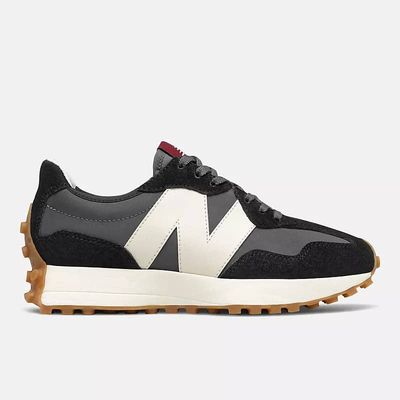
The New Balance 327 isn't a vintage reissue—it's something more ambitious and creatively daring. Launched in 2020 as a contemporary design that mines the rich aesthetic territory of 1970s New Balance running shoes, the 327 blends elements from three different archival models to create an entirely new silhouette that feels simultaneously nostalgic and radically modern. With its oversized asymmetric "N" logo, aggressive lug sole, and wedge midsole profile, it represents the best kind of retro-inspired design: one that respects heritage without being enslaved by it, creating something genuinely fresh from historical raw materials.

Showing Products 1-48 of 117 Results

A Creation, Not a Reissue: The Genesis of a Modern Classic

The story of the New Balance 327 begins not in the 1970s, but in 2019, when New Balance designer Charlotte Lee was tasked with creating a new lifestyle silhouette that could capture the energy and aesthetic boldness of the brand's 1970s running heritage. This wasn't a request to simply resurrect an old model—archive reissues like the 990 series already served that purpose brilliantly. Instead, Lee was given creative freedom to reinterpret, remix, and reimagine, pulling inspiration from multiple sources to create something entirely new.

Lee approached the challenge like a design archaeologist, diving deep into New Balance's extensive archives from the brand's golden age of running innovation. The 1970s were a transformative period for running footwear, when the jogging boom created demand for shoes that were lighter, more cushioned, and more specialized than traditional athletic footwear. New Balance was at the forefront of this revolution, producing numerous models that pioneered new materials, construction techniques, and design languages.

Three models in particular caught Lee's attention and became the foundational DNA for what would become the 327:

The New Balance 320 (1976): This track and field spike provided the most visually dominant element—the oversized, asymmetric "N" logo that wraps dramatically around the midfoot. On the original 320, this exaggerated branding served a practical purpose: it reinforced the shoe's structure while maximizing brand visibility during televised track meets. Lee recognized that this bold graphic element could become the signature of her new design, a visual anchor that was unapologetically confident and distinctly New Balance.

The New Balance 355 (1977): A trail running shoe designed for off-road terrain, the 355 contributed the aggressive lug outsole that gives the 327 its distinctive traction pattern. These oversized rubber lugs, which dramatically wrap up onto the heel and toe, were originally engineered for grip on loose dirt and rocky paths. In the context of a modern lifestyle shoe, they become pure design theater—functional heritage transformed into aesthetic statement.

The Supercomp (1976): This racing flat influenced the 327's wedge-shaped midsole profile—a tapered, forward-leaning geometry that was characteristic of 1970s running shoes designed for speed. The wedge creates an elongated, dynamic silhouette that differs dramatically from the thick, chunky profiles of contemporary dad shoes or the flat, court-inspired shapes of most retro sneakers.

Lee didn't simply combine these elements randomly. She carefully considered proportions, balance, and how each historical detail could be reimagined for contemporary tastes. The result was a "Frankenstein" creation in the best possible sense—assembled from different bodies but given its own coherent life and personality. The 327 doesn't look like any single New Balance shoe from the 1970s, yet it somehow captures the era's aesthetic spirit more authentically than a straight reissue might.

The shoe made its debut in February 2020 through a collaboration with Casablanca, the Paris-based luxury fashion brand founded by Charaf Tajer. This strategic launch positioned the 327 immediately as a fashion-forward piece rather than just another retro runner. The Casablanca collaboration featured elevated colorways in cream, orange, and green with premium materials and co-branded details. It sold out instantly and created significant buzz in fashion circles, establishing the 327 as a legitimate style object before general release versions even hit the market.

When New Balance released in-line colorways later in 2020, the 327 found a massive audience hungry for something that felt fresh in the increasingly crowded retro runner space. It offered a distinct alternative to the chunky dad shoe trend (represented by models like the 990 series) and the minimalist court shoe revival (Nike Dunks, Air Force 1s). The 327 occupied its own aesthetic lane: sleek but characterful, retro but not derivative, bold but versatile.

Anatomy of an Asymmetric and Audacious Design

Understanding what makes the New Balance 327 visually distinctive requires breaking down its most prominent design elements—each one a deliberate choice that contributes to its unmistakable silhouette:

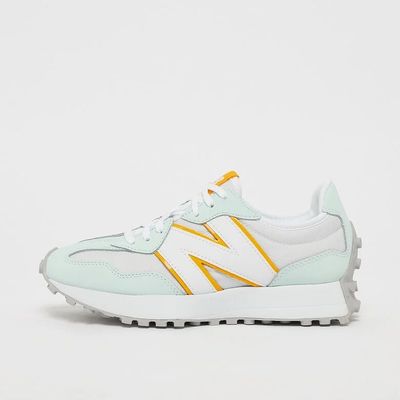
The Oversized Asymmetric "N" Logo: This is the 327's calling card, its most immediately recognizable feature. The "N" is massive, wrapping asymmetrically from the heel to nearly the toebox, creating visual drama that few sneakers attempt. On the lateral (outside) side, the "N" is prominently displayed; on the medial (inside) side, it's reversed, creating a mirrored effect that emphasizes the shoe's directionality and movement.

The size and placement aren't arbitrary—they create a strong diagonal line across the shoe's profile that draws the eye forward, reinforcing the sense of motion even when the shoe is stationary. This is branding as design element rather than afterthought, recalling an era when logos were integral to a shoe's structure and aesthetic rather than simply applied decoration. In an age of minimal branding and subtle logos, the 327's unapologetic "N" feels refreshingly bold and confident.

The Aggressive Lug Outsole: The sole unit is perhaps the second most distinctive element, featuring oversized rubber lugs that create a saw-tooth pattern around the perimeter. These aren't the subtle traction patterns of modern running shoes—they're exaggerated, almost cartoonish in their prominence, especially where they dramatically wrap up the heel counter and extend onto the toe bumper.

This design choice serves multiple purposes: it creates visual weight and presence at the bottom of the shoe, balancing the large "N" logo above; it references the trail running heritage that's part of the shoe's DNA; and it provides a textural contrast to the smooth upper materials. The lugs also create a satisfying visual rhythm when viewed from certain angles, adding complexity to what could otherwise be a simple side profile.

From a practical standpoint, the lug outsole provides excellent traction on various surfaces and contributes to the shoe's durability—these rubber lugs will wear slowly and evenly, unlike flat rubber outsoles that can develop smooth spots. The aggressive tread pattern is genuinely functional, not just decorative, which maintains the integrity of the design's running heritage inspiration.

The Wedge Midsole Silhouette: The 327's midsole geometry is distinctly wedge-shaped—higher at the heel and tapering toward the forefoot in a smooth, continuous slope. This profile was characteristic of 1970s running shoes, when designers believed that an elevated heel promoted a more efficient running gait. While modern running science has moved away from dramatic heel elevation, the aesthetic remains compelling for lifestyle footwear.

The wedge shape gives the 327 a sleek, forward-leaning profile that reads as athletic and dynamic rather than chunky or bulky. It's a key reason why the shoe photographs so well—the elongated silhouette creates elegant proportions that work in both casual and more fashion-forward contexts. The midsole is made from EVA foam, which is lightweight and provides adequate cushioning for casual wear without the excessive thickness of modern running shoes.

The Material Mix: Nylon Mesh and Suede: The upper construction stays true to 1970s running shoe conventions with its combination of lightweight nylon mesh as the base material and suede overlays providing structure and visual contrast. This material pairing was revolutionary when it was introduced—nylon reduced weight while suede reinforced high-stress areas and added premium appeal.

On the 327, this classic combination is executed with modern precision. The nylon sections are finely woven with a slight texture that catches light beautifully. The suede overlays (on premium versions; some budget colorways use synthetic alternatives) are positioned strategically around the toe, heel counter, and eyestay, creating a paneling pattern that's both functional and visually interesting. Different colorways play with these materials in various ways—some emphasizing the nylon with bold colors, others making the suede panels the focal point.

The toe box features a distinctive wrapped construction where material curves around the front of the foot, creating clean lines without visible stitching on the tip. The tongue is integrated rather than gusseted, sitting lower on the foot than traditional running shoes, which contributes to the 327's sleek profile and makes it easier to wear with various pant styles.

The Complete New Balance 327 Guide (FAQ)

How does the New Balance 327 fit?

The New Balance 327 fits true to size (TTS) in length for most wearers, meaning you can typically order your standard sneaker size with confidence. However, there's an important caveat: the shoe runs narrow, particularly through the forefoot and toe box. This narrowness is part of the sleek, streamlined aesthetic that makes the 327 visually appealing, but it can create fit challenges for those with wider feet.

If you have standard or narrow feet, your usual size should work perfectly. The shoe will feel snug but not uncomfortably tight, and this snugness actually contributes to the secure, athletic feel that many wearers appreciate. However, if you know you have wider feet or if you typically find New Balance models narrow, going up half a size is the recommended move. This extra half size provides more width accommodation without creating excessive length that would affect the shoe's appearance or cause heel slip.

The nylon and suede upper has minimal stretch, so don't expect the shoe to significantly break in or expand over time. What you feel during your first wear is essentially what you'll experience long-term. The good news is that the materials are soft enough not to create pressure points, and the integrated tongue design prevents the uncomfortable bunching that can plague poorly designed running shoes.

One more consideration: if you plan to wear thick socks, factor that into your sizing decision. The 327 is designed with a relatively low volume fit, and thick socks can make the toebox feel cramped. For warm weather wear with thin socks or no-show socks, stick with your standard size. For year-round wear or if you prefer cushioned athletic socks, consider going up half a size.

Is the New Balance 327 comfortable for all-day wear?

Yes, the New Balance 327 excels as an all-day lifestyle shoe, offering a comfortable balance of lightweight construction and adequate cushioning. The EVA foam midsole provides responsive cushioning that's firm enough to feel supportive but soft enough to absorb impact during normal walking activities. It's not plush or pillowy like modern running shoes with advanced foam technologies, but it delivers the kind of reliable, consistent comfort that makes you forget about your feet—which is the ultimate compliment for everyday footwear.

The lightweight construction is one of the 327's strongest comfort attributes. Weighing approximately 9-10 ounces for a men's size 9 (both shoes together around 18-20 ounces), it's noticeably lighter than chunky dad shoes or classic court sneakers. This reduced weight means less leg fatigue during extended wear, making the 327 ideal for urban environments where you're constantly on the move.

The wedge midsole geometry contributes to comfort by providing slightly more heel cushioning than forefoot, which mirrors the natural distribution of impact during walking. The smooth, continuous sole transition promotes a natural gait without the segmented feeling that some highly engineered running shoes create. For casual use—walking around the city, running errands, social outings—the 327 is genuinely comfortable and won't leave your feet fatigued or sore.

Two minor considerations: the narrow fit mentioned earlier can affect comfort for wider-footed wearers, so proper sizing is crucial. And because it's a relatively flat shoe without extensive arch support, those who require significant arch support for medical reasons might want to consider aftermarket insoles. But for the vast majority of wearers with average foot shapes and no specific orthopedic needs, the 327 provides excellent all-day comfort right out of the box.

Is the New Balance 327 actually a 1970s shoe?

No, and this is what makes the 327 such an interesting design story. It's a completely modern creation, designed in 2019-2020 by Charlotte Lee, that draws inspiration from multiple New Balance running shoes from the 1970s. Think of it as a "greatest hits" compilation rather than a faithful cover of a single song—it takes the best elements from three different archival models (the 320, 355, and Supercomp) and remixes them into something that never existed in its current form during the actual 1970s.

This approach—sometimes called "retro fusion" or "design remix"—has become increasingly common in sneaker design as brands recognize that modern consumers want retro aesthetics without the limitations of actual vintage construction. The 327 captures the visual spirit and design language of 1970s running shoes: the oversized branding, the nylon-and-suede material mix, the wedge midsole, the aggressive tread. But it's built with modern manufacturing precision, updated fit, and contemporary color sensibilities.

This distinction matters because it explains why the 327 feels simultaneously familiar and fresh. It doesn't have the baggage of being a specific player's shoe or the pressure of being a faithful historical reproduction. Charlotte Lee had the creative freedom to emphasize the elements she found most compelling and minimize or eliminate aspects that wouldn't work for today's lifestyle footwear market. The result is a shoe that honors heritage without being imprisoned by it.

For collectors and purists, this means the 327 shouldn't be confused with true vintage reissues like the 990v1 or 1300. It's not trying to replicate a specific moment in time but rather to channel an era's creative energy and aesthetic boldness into a new form. That's arguably harder to do successfully than simply re-releasing an old shoe, and the 327's commercial and critical success suggests Lee nailed the execution.

How do you clean the nylon and suede on the New Balance 327?

Maintaining the New Balance 327 requires different approaches for its two primary materials, but with proper care, the shoe can maintain its fresh appearance through extended wear. The key is addressing each material type appropriately and cleaning regularly before dirt becomes deeply embedded.

For the suede overlays: Suede is delicate and water-sensitive, so dry cleaning methods are preferable. Invest in a quality suede brush (the kind with brass or nylon bristles) and a suede eraser block—these are inexpensive and essential tools. For regular maintenance, simply brush the suede gently in one direction to restore the nap and remove surface dust. The eraser block is remarkably effective for stubborn marks and scuffs—rub gently over the stain and watch it lift away without water or chemicals.

For more serious suede stains, specialty suede cleaners exist, but test them on an inconspicuous area first. Never saturate suede with water, as this can cause permanent staining and texture changes. If the suede does get wet (rain, spills), stuff the shoes with paper towels to maintain shape and let them air dry naturally away from direct heat. Once dry, brush vigorously to restore the texture.

For the nylon mesh sections: Nylon is much more forgiving and can handle moisture without damage. Use a soft brush (an old toothbrush works perfectly) with lukewarm water and mild soap (dish soap or dedicated sneaker cleaner). Work in gentle circular motions, dipping the brush in clean water frequently. The nylon should respond well, with dirt lifting easily from the woven fabric. Use a clean, damp cloth to wipe away soap residue, then pat with a dry towel to remove excess water.

For the midsole and outsole: The EVA midsole and rubber outsole can be cleaned with the same soap-and-water approach as the nylon. For stubborn scuffs on the white midsole sections, a "magic eraser" (melamine foam sponge) works wonders—wet it slightly and rub gently to remove marks without harsh scrubbing.

General care tips: Remove laces before cleaning for better access to all surfaces. Allow shoes to air dry at room temperature—never use direct heat sources like hair dryers or radiators, which can warp materials and cause glue separation. Consider applying a suede protector spray before first wear to create a barrier against stains, though this won't make the suede completely impervious to damage. Store the 327 in a cool, dry place, preferably with shoe trees or crumpled paper inside to maintain shape.

Is the lug outsole durable for everyday use?

Yes, the oversized lug outsole on the New Balance 327 is quite durable for typical lifestyle wear, though it's important to understand what that means in practical terms. The lugs are molded from solid rubber compound—the same material used on trail running shoes designed to handle rough terrain. This rubber is formulated to be both grippy and resistant to abrasion, which translates to good longevity for urban environments.

For normal use cases—walking on sidewalks, indoor floors, occasional light jogging, general daily activities—the lug pattern will wear slowly and relatively evenly. The lugs are thick enough that even after months of regular wear, they'll maintain their shape and continue providing good traction. You'll notice gradual smoothing on the lugs that make the most contact with the ground (primarily the heel strike area and the ball of the foot), but this is normal and doesn't significantly impact the shoe's functionality or appearance.

However, context matters. The 327 is a lifestyle shoe, not a technical trail runner or a skateboarding shoe designed for abrasive surfaces. If you're regularly walking on extremely rough surfaces, doing activities that involve significant lateral movement and friction (like certain sports or skateboarding), or covering very high mileage daily, you'll see faster wear. The dramatic heel and toe wrap-up portions of the sole are largely decorative and protected from wear by their positioning, so they'll maintain their appearance longer than the ground-contact areas.

One aesthetic consideration: because the lugs are so prominent and visually distinctive, wear patterns are more visible than they would be on a flat sole. This is the trade-off for bold design—character develops with use. Many wearers actually appreciate this, as it gives the shoe a worn-in, authentic look that complements its retro-inspired aesthetic. But if you're someone who wants sneakers to look pristine indefinitely, be aware that the 327's sole will show its miles.

Bottom line: for the average person wearing the 327 casually 3-4 times per week, you can expect 12-18 months of solid use before the sole wear becomes noticeable enough to consider replacement. That's comparable or better than most lifestyle sneakers at this price point.


The Perfect Fusion of Past and Present

The New Balance 327 proves that the most compelling retro-inspired designs aren't slavish reproductions but creative reinterpretations. By treating the 1970s as a rich source of inspiration rather than a rigid template, Charlotte Lee created something that feels simultaneously nostalgic and entirely contemporary—a rare achievement in an industry often content with either direct reissues or designs so "inspired by" the past that they lose all historical connection.

What makes the 327 special isn't just that it looks good, though it absolutely does. It's that it represents thoughtful, historically informed design that respects heritage while insisting on creative freedom. The oversized "N" logo isn't there because it appeared on some archival model exactly that way—it's there because Lee recognized its potential to become an iconic signature. The aggressive lug sole isn't a direct copy but an exaggerated reinterpretation that heightens the drama. Every element has been considered, refined, and optimized for 2020s tastes while maintaining authentic connections to 1970s running culture.

For wearers, this translates to a shoe that's easy to style, comfortable for all-day wear, and distinctive enough to feel like a genuine style statement rather than just another pair of sneakers. It works with tailored trousers and vintage denim, with athletic shorts and oversized hoodies, with minimalist outfits and maximalist ones. The 327's bold design elements give it personality, but its balanced proportions and versatile silhouette prevent it from being a one-trick pony.

Browse our complete collection and find the colorway that speaks to your style. Whether you're drawn to the understated elegance of neutral tones, the vibrant energy of bold primaries, or the elevated luxury of collaborative releases, the 327 offers a design foundation that makes every colorway feel considered and intentional. This is retro-inspired footwear done right: respectful of history, relevant to today, and ready for tomorrow.