Cookie Consent by Free Privacy Policy Generator website

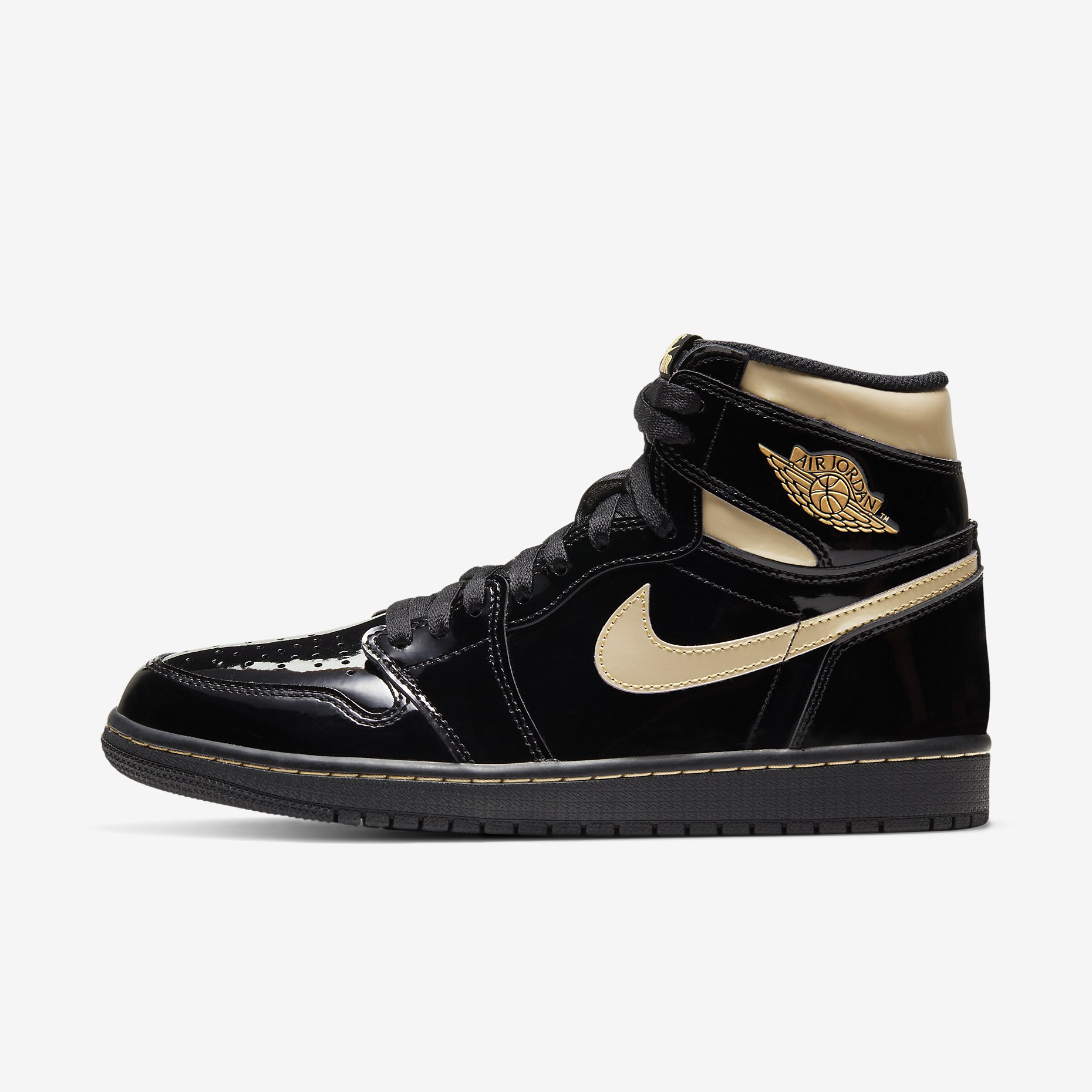
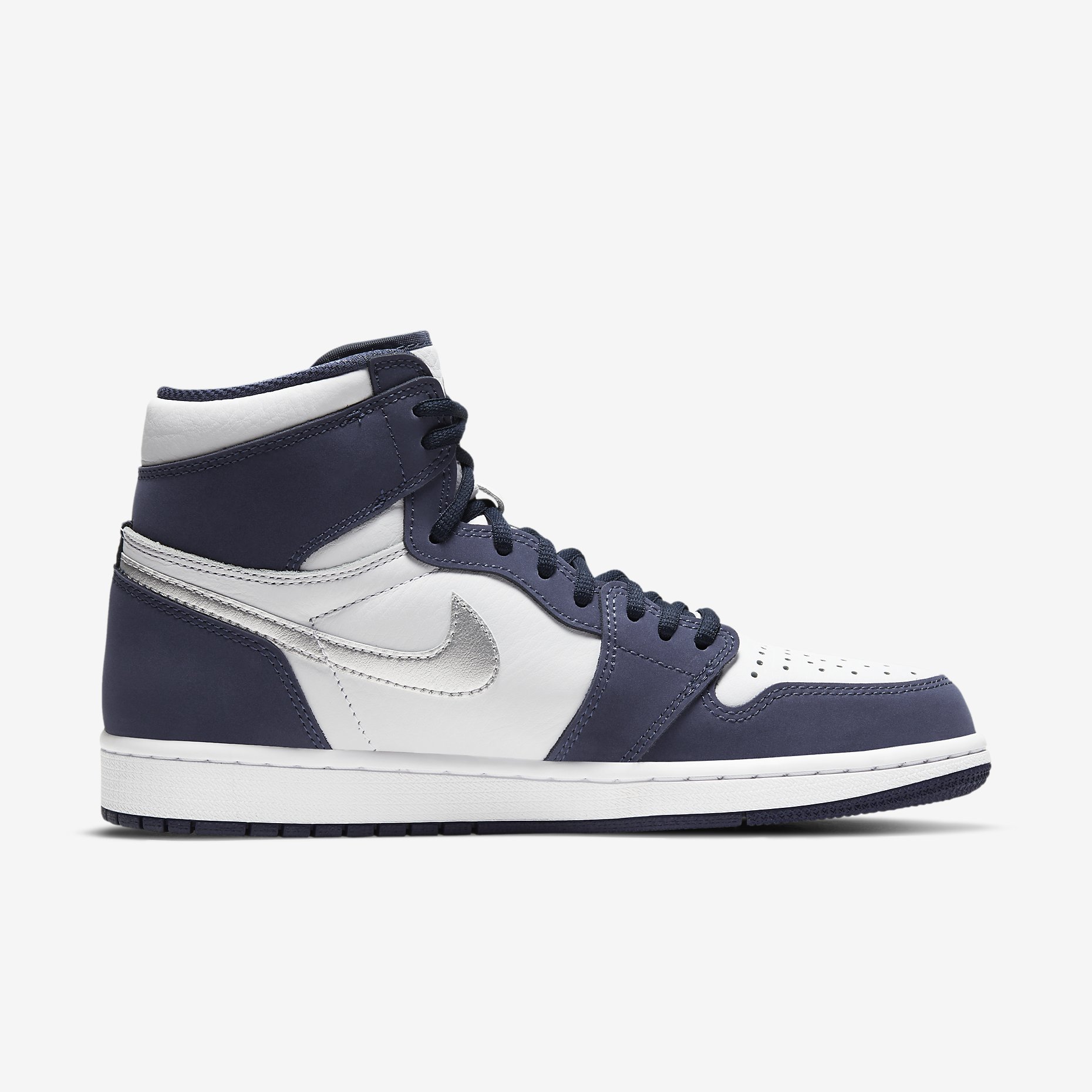
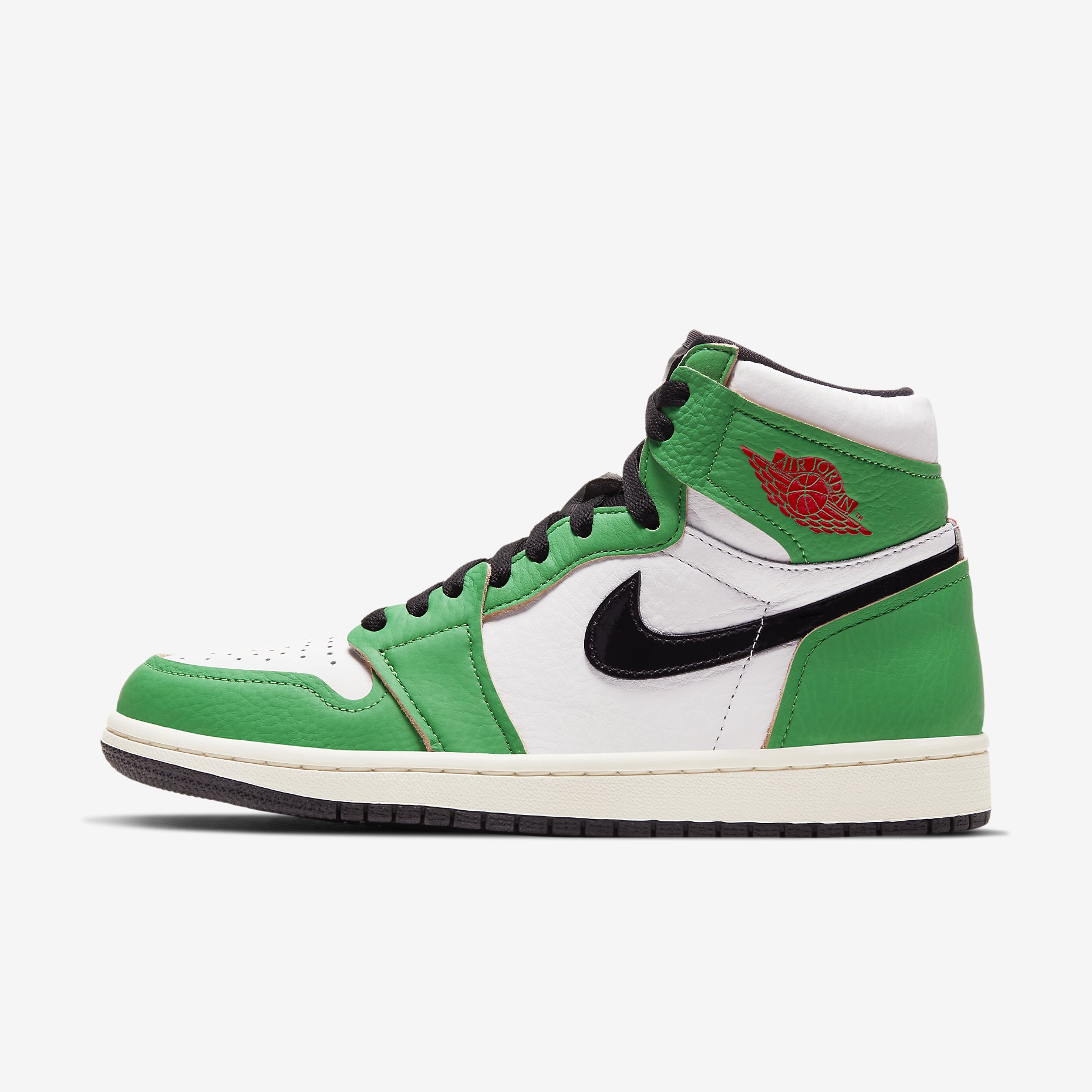
Air Jordan 1 Retro High Og Sneakers Releases

Air Jordan 1 High OG: The Complete Guide to the Sneaker That Birthed a Culture

Released April 1, 1985, and designed by Peter Moore, the Air Jordan 1 defied NBA regulations, sparked a cultural revolution, and launched the greatest dynasty in sneaker history.
This wasn't just a shoe – it was the moment basketball footwear transcended sport to become lifestyle, forever changing how the world views sneakers.

1985: The "Banned" Marketing Masterstroke That Changed History

The Air Jordan 1's origin story represents the most brilliant turning of adversity into opportunity in marketing history. When Michael Jordan took the court during the 1984 preseason wearing his signature Nike shoes in black and red – specifically the Nike Air Ship, the predecessor to the Air Jordan 1 – the NBA responded with a stern letter dated February 15, 1985. The league stated these shoes violated their uniform policy requiring footwear to be "51% white and in accordance with what the rest of the team was wearing."

The threatened fine: $5,000 per game for non-compliance.

Nike's response defined guerrilla marketing before the term existed. Rather than backing down, they embraced the controversy, creating the legendary "Banned" advertising campaign. The commercial's voiceover declared: "On October 15, Nike created a revolutionary new basketball shoe. On October 18, the NBA threw them out of the game. Fortunately, the NBA can't stop you from wearing them. Air Jordans. From Nike." The ad featured Jordan bouncing a basketball with camera slowly panning to reveal black and red Air Jordan 1s before censoring them with black bars – the forbidden fruit everyone suddenly craved.

The genius lay in positioning the Air Jordan 1 as rebellious, anti-establishment, and dangerous. The perception of breaking rules resonated with youth culture seeking identity beyond conformity. While debate persists about whether Jordan wore the actual black/red Air Jordan 1 "Bred" colorway during regular season games (most evidence suggests he wore it primarily at the 1985 Slam Dunk Contest, with the Air Ship receiving the actual fines), Nike successfully merged the ban narrative with the Air Jordan 1 itself.

The results proved staggering: Nike sold $70 million worth of Air Jordans within just two months of release. By year's end, the Jordan Brand had generated over $100 million for Nike – a company that initially projected selling only 100,000 pairs of the $65 shoes in the first year. Nike had essentially invented athlete signature marketing as we know it, shifting industry focus from teams to individual superstars. The Air Jordan 1 didn't just launch a shoe line; it created the blueprint for sports marketing that every brand still follows today.

Anatomy of a High "OG": The Details That Define Authenticity

Understanding what makes an Air Jordan 1 "High OG" versus other versions requires appreciating the specific elements that collectors scrutinize to verify authenticity to the 1985 original.

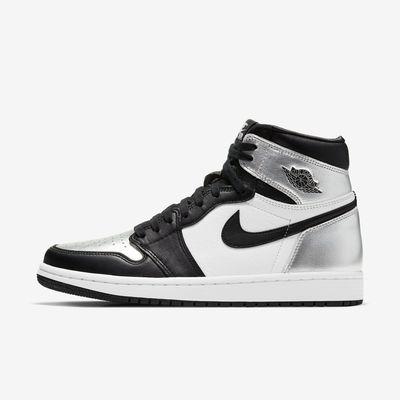
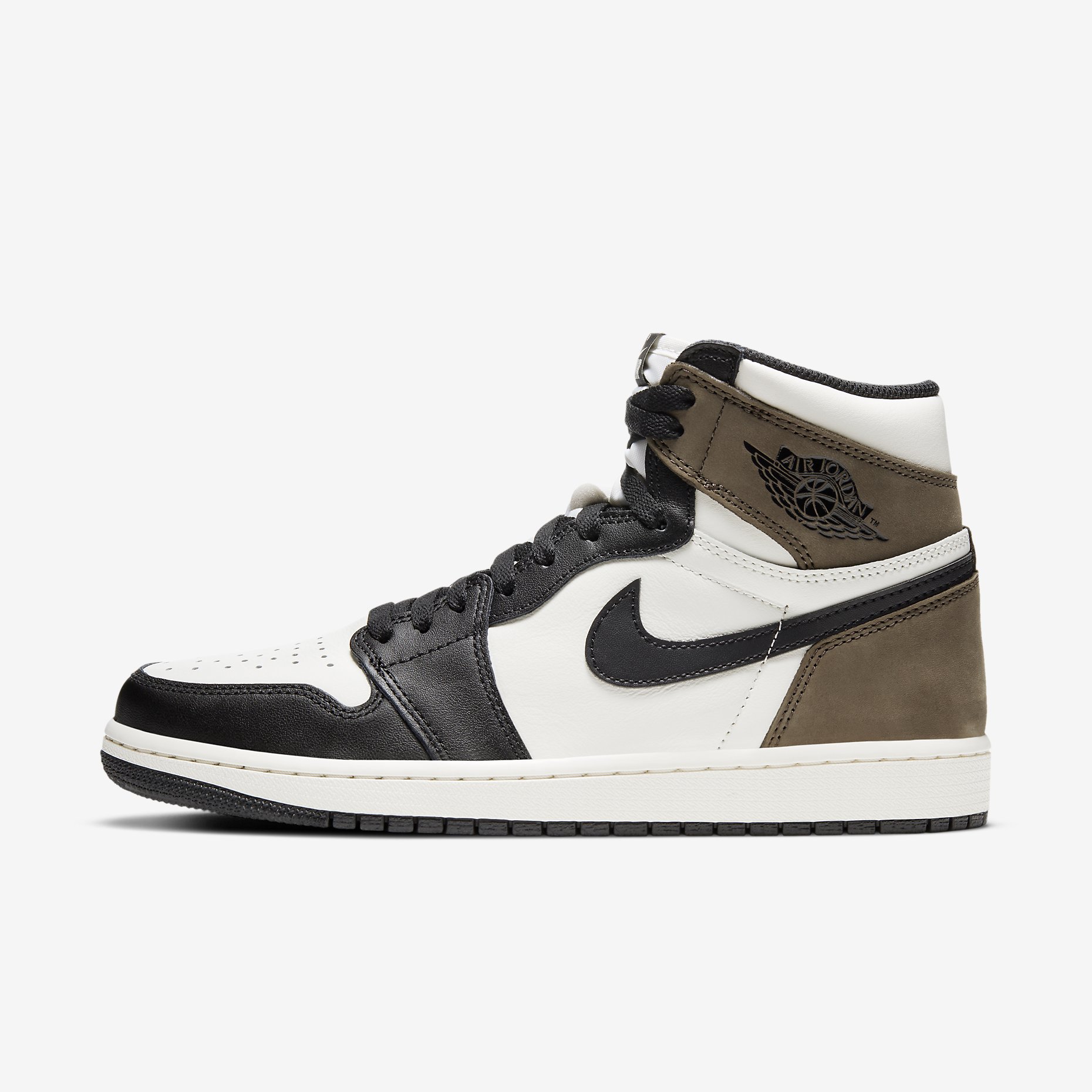
"Nike Air" on the Tongue: This is the non-negotiable hallmark of genuine OG status. The "Nike Air" branding on the tongue label signifies faithfulness to Peter Moore's 1985 design. This distinguishes High OGs from Mid versions or non-OG Highs that feature Jumpman logos instead. When Jordan Brand commits to "OG" designation, maintaining this Nike Air branding demonstrates respect for the shoe's heritage before the Jumpman logo became ubiquitous.

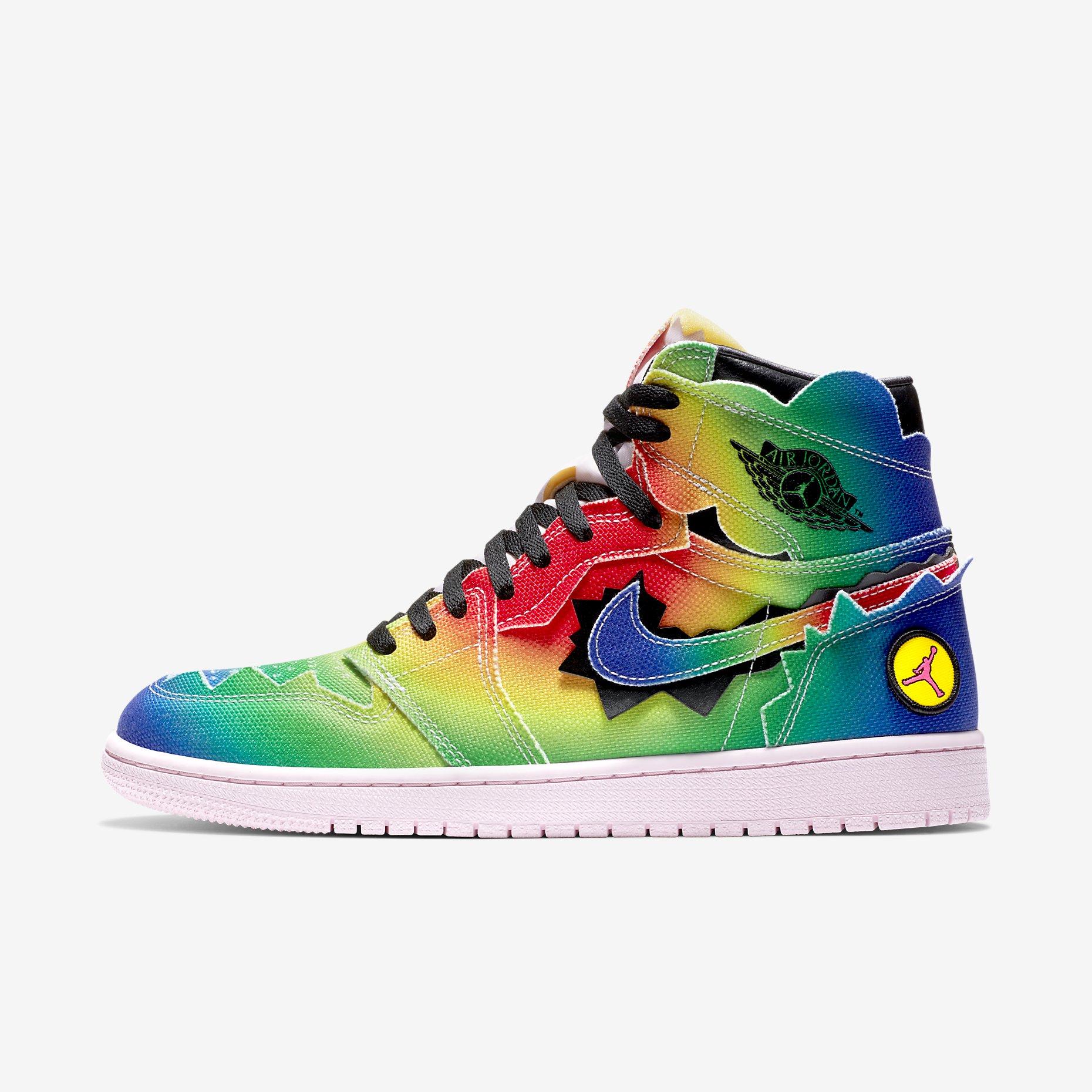
The Original Wings Logo: Designer Peter Moore famously sketched this iconic logo on a napkin during a flight – spontaneous inspiration that became one of sneaker culture's most recognizable symbols. The Wings logo depicts a basketball with wings, representing Michael Jordan's aerial dominance and "Air Jordan" nickname. Positioned on the ankle collar flap, this emblem instantly identifies the Air Jordan 1's lineage. The logo's placement and execution on High OG models matches the 1985 specifications precisely.

Nine-Eyelet High-Top Construction: The High OG maintains the exact silhouette of the 1985 original with nine lacing eyelets, creating the distinctive tall collar that defined basketball footwear of that era. This contrasts sharply with the Mid version's eight eyelets and lower cut. The additional height isn't merely aesthetic – it represents the basketball heritage when ankle support mattered more than contemporary mobility preferences. The shape, toe box profile, and overall proportions of High OG releases aim to recreate vintage accuracy that collectors demand.

Premium Materials and Construction: High OG releases typically feature superior leather quality and construction methods closer to the original 1985 standards, justifying their premium pricing over Mid or non-OG versions. Jordan Brand's "Remastered" program beginning in 2015 specifically aimed to improve retro quality, bringing materials and shape closer to vintage specifications.

The Ultimate Guide to Air Jordan 1 High OG

How does the Air Jordan 1 High OG fit?

The Air Jordan 1 High OG runs true to size. Order your regular sneaker size for optimal fit. The leather may feel slightly stiff initially but breaks in beautifully, eventually molding to your foot shape for improved comfort. This break-in period is characteristic of quality leather construction.

What's the real difference between Jordan 1 High OG and Mid?

The differences are crucial for collectors and define value. The High OG stays faithful to the 1985 original: "Nike Air" branding on the tongue, nine eyelets, higher collar, and typically premium materials. The Mid features a lower cut with eight eyelets, Jumpman logos on tongue and heel replacing Nike Air branding, and generally more accessible pricing with wider colorway availability. High OGs command significantly higher resale values and collector interest due to their authentic heritage status.

Is it comfortable for daily wear?

For a shoe designed in 1985, it offers respectable comfort for everyday activities thanks to the encapsulated Air-Sole unit in the heel. However, it lacks the plush cushioning of modern sneakers featuring advanced foam technologies. The comfort profile is that of a timeless classic – adequate support and protection without contemporary softness. Many wearers find them perfectly suitable for daily urban wear after the initial break-in period.

Can you play basketball in Air Jordan 1 High OGs?

Absolutely not recommended. These are collectible items and lifestyle icons, not performance basketball shoes by 2025 standards. Playing basketball in High OGs risks damaging valuable sneakers while potentially causing injury, as the 40-year-old technology doesn't provide the support, traction, or impact protection that modern basketball shoes deliver. Reserve them for their intended contemporary purpose: cultural statement pieces.

What do "Bred" and "Banned" mean? Are they the same?

Yes, they reference the same black and red colorway. "Bred" is the community-coined nickname combining "Black" and "Red." "Banned" represents Nike's marketing terminology capitalizing on the NBA prohibition story. The "Banned" designation became official on certain releases, like the 2011 and 2016 retros featuring a small "X" logo on the heel referencing the ban. While technically the same colorway, "Banned" versions with special details command premium prices among collectors due to their direct connection to the legendary marketing campaign.

Why is the Air Jordan 1 considered the most important sneaker ever?

The Air Jordan 1 fundamentally transformed sneakers from functional athletic equipment into cultural artifacts and fashion statements. It pioneered athlete signature marketing, proving individual stars could drive massive sales. It established sneakers as collectibles worth significant money. It created the blueprint every brand follows for limited releases, collaborations, and hype generation. Before the Air Jordan 1, sneakers were shoes. After it, they became lifestyle essentials, status symbols, and investment vehicles. Every sneaker trend, drop, and resale market traces back to what this shoe started in 1985.

The Cornerstone of Every Sneaker Collection

No other shoe carries comparable cultural weight or historical significance. The Air Jordan 1 High OG isn't a choice – it's the foundation everything else builds upon. The starting point for understanding sneaker culture's past, present, and future. Explore our selection above and acquire the cornerstone piece that defines what it means to be a sneaker collector.