Cookie Consent by Free Privacy Policy Generator website

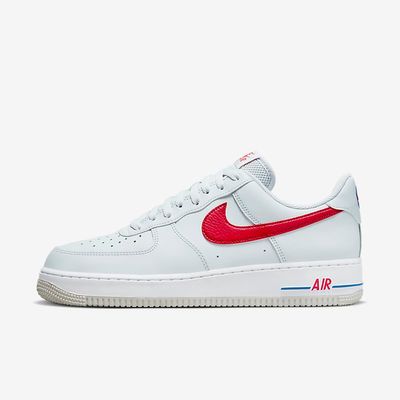
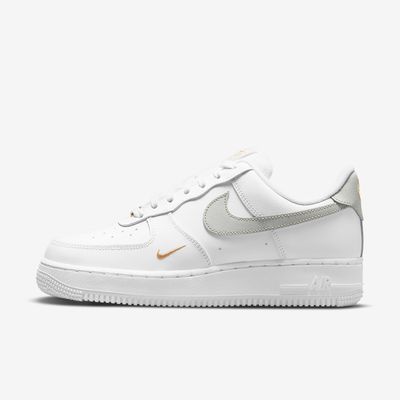
In Stock Grey Lifestyle Nike Air Force 1 Sneakers Releases

Nike Air Force 1: The Complete Guide to the World's Most Iconic Sneaker

The Nike Air Force 1 isn't just a sneaker—it's a cultural monument that has shaped global style for over four decades. Born in 1982 as the first basketball shoe to feature Nike's revolutionary Air cushioning technology, it transformed the game on court before being abandoned by the sport entirely. But the streets saved it, adopted it, and elevated it into something far greater than its creators ever imagined: the most recognizable blank canvas in footwear history, a symbol of hip-hop culture, and the definitive white sneaker that every other white sneaker is measured against.

Showing Products 49-75 of 75 Results

1982, Revolution on the Hardwood: The First Basketball Shoe with Air

The story begins with Bruce Kilgore, a Nike designer tasked with creating a basketball shoe that would leverage the company's most promising technology: Air-Sole cushioning. Developed by former aerospace engineer Frank Rudy, the Air-Sole unit was a thin polyurethane bag filled with pressurized gas that provided superior impact protection while remaining lightweight. It had already proven successful in running shoes like the Tailwind, but basketball presented a different challenge—the repeated, high-impact jumping and cutting movements required more robust engineering.

Kilgore's solution was radical for 1982. He created a shoe with a substantial, sculpted cupsole that encased the Air unit completely, hiding it from view but making it the functional heart of the design. The upper featured premium leather construction with multiple paneling for support, and the overall aesthetic was bold and substantial—a departure from the sleeker basketball shoes of the late 70s. The Air Force 1 was big, chunky, and unapologetically present. It looked like what it was: a serious performance tool.

The name itself was carefully chosen. "Air Force 1" referenced the presidential aircraft, conveying authority, importance, and American prestige. This wasn't just another basketball shoe—it was THE basketball shoe, at least in Nike's ambitions. The branding reinforced this: the original versions featured "Air" embossed on the heel and midsole, making the invisible technology visible through text.

Nike launched the Air Force 1 with an unprecedented marketing campaign called "The Original Six." Six NBA players—Moses Malone, Michael Cooper, Jamaal Wilkes, Bobby Jones, Mychal Thompson, and Calvin Natt—were recruited to wear and promote the shoe. The campaign featured these players in their team colors, demonstrating the AF1's versatility and establishing it as a legitimate performance option. The shoe retailed for $90—expensive for 1982, but justified by the Air technology and premium construction.

Initial sales were strong, driven by the novelty of visible Air branding and the players' endorsements. But by 1984, Nike had moved on to newer models with more advanced Air technology and flashier designs. The Air Force 1 was quietly discontinued—a normal product cycle for basketball shoes, which typically had lifespans of one or two seasons before being replaced by the next innovation.

Here's where the story becomes legendary. A Baltimore retailer named "Charley Rudo Sports" noticed something Nike hadn't: the Air Force 1 wasn't dying in the streets. In fact, demand was increasing, particularly in East Coast cities like Baltimore, Philadelphia, and New York. The shoe had been adopted by urban communities who appreciated its durability, clean aesthetic, and substantial presence. Rudo convinced Nike to do something unprecedented—bring back a discontinued basketball shoe specifically for lifestyle wear, not performance.

Nike agreed to a limited regional re-release in 1986, available only in select East Coast retailers. This strategy inadvertently created regional scarcity that fueled even greater demand. By the late 1980s, the Air Force 1 had become deeply embedded in hip-hop culture, appearing in music videos, mentioned in lyrics, and worn by emerging artists who saw the shoe as a symbol of clean, fresh style. It had completed a remarkable transformation: from basketball innovation to discontinued product to cultural phenomenon—all within five years.

Anatomy of an Absolute Classic: Cupsole Construction, Dubrae, and Three Cuts

The enduring appeal of the Air Force 1 lies in the details of its construction—elements that have remained largely unchanged for over 40 years because they were fundamentally right from the beginning.

The Robust Silhouette: The AF1's most defining characteristic is its substantial, almost architectural presence. The upper is constructed from full-grain leather (or synthetic leather on budget versions) with multiple panels stitched together to create structural support zones. This isn't the soft, pliable leather of fashion sneakers—it's thicker, more durable leather that requires several wears to fully break in. This construction gives the shoe its distinctive shape retention; even after years of wear, an Air Force 1 maintains its form rather than becoming shapeless like canvas sneakers.

The toe box is reinforced with additional layers, creating the pronounced, slightly bulbous shape that's instantly recognizable in profile. The midfoot features a large Swoosh that's not just decorative but actually provides lateral support. The heel counter is sculpted and substantial, providing ankle support that was essential for basketball but translates to excellent stability for casual wear.

The Hidden Air Technology: Unlike later Nike designs that made Air units visible through windows or exposed them entirely, the Air Force 1 keeps its cushioning secret. The Air-Sole unit sits within the midsole, compressed by a firm foam surround and rubber outsole. You can't see it, but you can feel it—a responsive, bouncy sensation underfoot that distinguishes it from simple foam midsoles. The Air unit is primarily in the heel, where basketball players (and walkers) need impact protection most.

The midsole itself is a cupsole design—a single piece of rubber that wraps up the sides of the shoe. This construction method, borrowed from skateboarding and vintage tennis shoes, provides exceptional durability and a satisfying "solid" feel. The downside is weight; the AF1 is noticeably heavier than modern sneakers. But this weight contributes to its premium, substantial character. It feels like a shoe that will last.

The Dubrae: A Small Detail That Became Iconic: One of the most distinctive features of the Air Force 1 is the small metal lace jewel that sits at the bottom of the laces, engraved with "AF1." Called a "dubrae" (a term specific to Air Force 1 culture), this ornament serves no functional purpose but has become one of the shoe's most recognized signature elements. Original 1982 versions had it, though it was sometimes removed by wearers. Modern versions always include it, and its presence or absence is often used to distinguish authentic from fake Air Force 1s.

The dubrae represents the kind of detail-oriented design thinking that makes the AF1 special. It's a small touch of premium jewelry on an athletic shoe, elevating it beyond pure utility into something more considered and refined.

Low, Mid, or High? Understanding the Three Cuts:

The Air Force 1 exists in three distinct heights, each with its own history and cultural associations:

Air Force 1 Low: This is the version that dominates today—estimated to represent over 80% of all AF1 sales. The Low cut offers maximum versatility, pairing easily with any pant style from shorts to tailored trousers. It became the favored version in hip-hop culture during the 1990s and 2000s, cementing its status as the default Air Force 1. When people say "Air Force 1" without specification, they almost always mean the Low. The clean, uninterrupted lines of the Low cut showcase the shoe's design purity without the visual complication of ankle straps.

Air Force 1 Mid: Recognizable by its elastic ankle strap with a Velcro closure, the Mid cut sits between Low and High in both height and popularity. The strap, which wraps around the ankle and features a small Swoosh logo, adds visual interest and provides adjustable ankle support. The Mid was particularly popular in the 1990s and early 2000s, and it retains a devoted following among those who appreciate its distinctive look. However, the strap can be polarizing—some love the added detail, others feel it clutters the design's simplicity.

Air Force 1 High: This is the original 1982 silhouette—the way Bruce Kilgore intended it. The High cut extends well above the ankle and includes the iconic ankle strap that wraps around and secures with Velcro. This version looks most like a traditional basketball shoe and appeals to purists who want the authentic original experience. The High is bulkier and less versatile for styling but offers the most support and the strongest presence. It's the choice for those who want to make a statement and honor the shoe's basketball heritage. Winter versions often feature the High cut for added warmth and coverage.

The Complete Nike Air Force 1 Guide (FAQ)

How does the Nike Air Force 1 fit?

The Air Force 1 is notorious for running large—this is perhaps the most consistent feedback across millions of wearers worldwide. Most people find that going down half a size from their usual sneaker size provides the best fit, and those with narrow feet often go down a full size. This oversizing is particularly noticeable in the length; AF1s tend to have a generous toe box that can feel cavernous if you stick to your standard size.

The width is generally true to size or slightly roomy, which works well for most foot shapes but can feel sloppy if you've also got narrow feet. The thick leather upper doesn't have much give initially, but it will mold to your foot shape after 5-7 wears. During the break-in period, the shoe might feel stiff and even tight across the top of the foot despite the extra length—this is normal and will resolve as the leather softens.

For the most accurate fit, try them on in person if possible. If buying online, know that the consensus recommendation is to size down half a size, with the understanding that you can always adjust with thicker socks if needed. It's much harder to make a too-large shoe fit properly than to accommodate a slightly snug one.

What's the difference between the Air Force 1 and the Air Force 1 '07?

This question confuses many buyers, but the answer is reassuring: for practical purposes, they're essentially the same shoe. The '07 designation was introduced in 2007 to commemorate the Air Force 1's 25th anniversary. Nike used this opportunity to standardize the modern production version of the shoe, refining the construction slightly to improve manufacturing consistency and updating the fit very subtly (slightly more tapered in the heel).

The differences are genuinely minimal: the '07 version has a slightly sleeker profile with a marginally lower cut around the ankle collar, updated materials that maintain quality while optimizing production, and occasionally different branding placements (like the size tag location). The cushioning, outsole, overall shape, and visual appearance are virtually identical. Most importantly, the cultural cachet is exactly the same—nobody distinguishes between AF1 and AF1 '07 in terms of status or authenticity.

When shopping, you'll see both names used interchangeably, and you might see just "Air Force 1 Low" or "Air Force 1 '07 Low" for the same basic white-on-white shoe. Don't overthink it—choose based on availability and price, not the name variation. The '07 is simply the current, standardized production version of the legendary original.

How do you keep Air Force 1s white?

Maintaining pristine white Air Force 1s is a cultural practice unto itself, with entire communities dedicated to sharing cleaning techniques. The fundamental truth: prevention is easier than correction, so clean them regularly before dirt becomes embedded. Here's the expert approach:

For routine cleaning, use a soft-bristled brush (an old toothbrush works perfectly) with lukewarm water and either mild dish soap or dedicated sneaker cleaner. Work in gentle circular motions, focusing on one section at a time. The leather panels respond well to this treatment, and you'll see dirt lifting immediately. For the rubber midsole, a "magic eraser" (melamine foam sponge) is remarkably effective at removing scuffs and yellowing—just wet it slightly and rub gently.

Remove the laces and wash them separately—either in a mesh laundry bag in the washing machine or by soaking them in soapy water. The laces accumulate dirt quickly and can make the entire shoe look dingy even if the upper is clean. Many AF1 enthusiasts keep spare white laces and rotate them, always having a fresh pair ready.

For tougher stains, a mixture of baking soda and water creates a paste that can be applied to problem areas and left for 15-20 minutes before brushing off. Some swear by specialty products like Jason Markk or Crep Protect, which are formulated specifically for premium sneakers. After cleaning, let them air dry naturally—never put leather sneakers in a dryer or in direct sunlight, as this can cause cracking and yellowing.

The reality: white Air Force 1s require commitment. If you're not willing to clean them regularly, consider cream, light grey, or other light colorways that hide dirt better while maintaining a similar aesthetic. But there's a reason the all-white version is iconic—nothing looks as clean as freshly cleaned white AF1s.

Is the Air Force 1 comfortable for walking?

Yes, the Air Force 1 provides solid comfort for everyday walking and casual wear, though with some caveats rooted in its 1982 design. The encapsulated Air-Sole unit in the heel genuinely provides impact absorption—you can feel the slight bounce with each step, a sensation that distinguished it from foam-only shoes when it launched and still works effectively today. The cushioning isn't plush or soft in the way modern running shoes are, but it's responsive and protective.

The firm cupsole construction gives the shoe a grounded, stable feel that many wearers prefer over softer, squishier platforms. Your foot feels supported and secure rather than floating on foam. This firmness means excellent energy return for walking—you're not sinking into the shoe with each step, which can actually be less fatiguing over long distances than very soft cushioning.

However, the Air Force 1 is noticeably heavier than modern lightweight sneakers, typically weighing around 1.2-1.3 pounds for a men's size 9 pair (both shoes). You'll feel this weight during extended wear, and it can contribute to leg fatigue if you're walking all day. The thick leather upper also requires break-in time—expect some stiffness and possible pressure points during the first several wears until the leather molds to your foot.

For typical daily activities—running errands, commuting, casual outings—the AF1 is perfectly comfortable and will last all day without issues. For serious urban exploration, theme parks, or situations where you'll be on your feet for 8+ hours, you might want something with more modern cushioning. But for most people, most of the time, the Air Force 1 provides a very satisfying balance of comfort, support, and durability.

Why is the Air Force 1 a legend?

The Air Force 1's legendary status is earned through a perfect convergence of design excellence, cultural adoption, and unprecedented longevity. It's one of the few products in any category that has remained essentially unchanged for over 40 years while becoming more popular each decade—a feat almost unheard of in fashion or footwear.

The foundation is Bruce Kilgore's design, which achieved something rare: timeless simplicity with just enough personality. The AF1 is clean and minimal enough to be versatile, but distinctive enough to be immediately recognizable. The proportions are perfect—substantial without being clunky, detailed without being busy. It's a design that works equally well in all-white simplicity or with bold color blocking, making it the ideal canvas for personal expression.

But design alone doesn't create legends. The Air Force 1 became iconic because it was adopted by communities Nike never targeted with their basketball marketing. In the mid-1980s, urban youth in Baltimore, New York, and Philadelphia claimed the shoe as their own, wearing it as a status symbol of clean, fresh style. Hip-hop culture embraced it completely—it appeared in music videos, was mentioned in lyrics (most famously in Nelly's 2002 hit "Air Force Ones"), and became associated with the aesthetic values of the culture: authenticity, boldness, and meticulous attention to appearance.

This grassroots cultural adoption gave the AF1 something no amount of marketing can buy: genuine street credibility and emotional resonance. It became part of personal identity and community belonging. Keeping your Air Force 1s pristine became a point of pride, a ritual, almost a spiritual practice in some communities. The shoe transcended its material form to become symbolic.

Nike deserves credit for recognizing this organic movement and supporting it rather than trying to control it. They've released thousands of colorways and collaborations over the decades while keeping the core white-on-white version always available and affordable. This balance—between special releases that create excitement and accessibility that prevents exclusion—has allowed the AF1 to remain relevant across generations.

Finally, the "Triple White" Air Force 1 has achieved something almost unprecedented: it's become THE white sneaker, the Platonic ideal against which all other white sneakers are judged. When someone says "I need white sneakers," the Air Force 1 is almost certainly one of the options considered. It's become a cultural default, a baseline, a standard—and that's the ultimate achievement for any design.


More Than a Shoe, a Global Standard

There are sneakers, and then there is the Nike Air Force 1. For more than 40 years, it has defined the codes of urban style without ever needing to evolve, adapt, or justify itself. It is the foundation, the starting point, the essential. Trends come and go, technologies advance, silhouettes rise and fall—but the Air Force 1 remains constant, a monument to the idea that when something is done right, it doesn't need improvement.

Owning a pair of Air Force 1s isn't just about footwear—it's about possessing a piece of cultural history, participating in a tradition that spans generations and continents. From the basketball courts of 1982 to the streets of New York, Tokyo, Paris, and Lagos, the AF1 has traveled the world and been claimed by countless communities, each adding their own interpretation while respecting the original.

The all-white version is particularly special—it represents a blank canvas, infinite possibility, the potential for freshness renewed with each cleaning. It's the sneaker equivalent of a white t-shirt: seemingly simple, actually perfect, endlessly versatile, and fundamentally necessary.

Browse our complete selection and find your Air Force 1. Whether you're buying your first pair or your fiftieth, whether you want the classic Low in Triple White or a bold collaboration in the High, you're not just buying a shoe—you're joining a legacy that has shaped global culture for four decades and shows no signs of stopping.