Cookie Consent by Free Privacy Policy Generator website

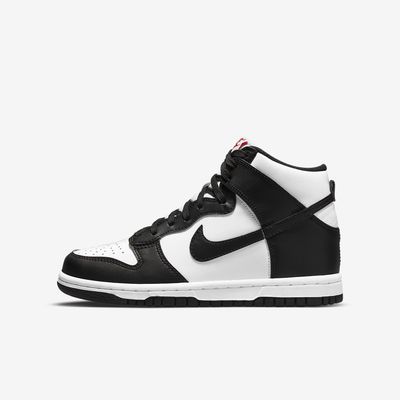
Big-kids Red Nike Dunk High Sneakers Releases For Resell

Nike Dunk High: The Original 1985 Icon That Started the Revolution

The Nike Dunk High is where it all began. Launched in 1985 as Nike's bold answer to bringing color and team identity to college basketball courts, it pioneered the concept that sneakers could be more than equipment—they could be symbols of allegiance, pride, and personal expression. Through the revolutionary "Be True To Your School" campaign, the Dunk High transformed anonymous players into walking billboards for their universities and established color-blocking as the foundation of sneaker culture. This is the original, the blueprint, the authentic voice before the echoes.

Showing Products 1-1 of 1 Results

"Be True To Your School": The Color Revolution That Changed Everything

The story of the Nike Dunk High begins with a simple but revolutionary insight: college basketball was wildly popular, but the sneakers on court were uniformly boring. Most teams wore white or black shoes with minimal branding, following the conservative aesthetics that had dominated basketball footwear since Chuck Taylor Converses. Nike saw an opportunity not just to sell shoes, but to fundamentally change how teams expressed identity through footwear.

In 1985, Nike designer Peter Moore—the same visionary who had just designed the Air Jordan 1—was tasked with creating a basketball shoe specifically for the college market. The brief was straightforward: make something that could be customized to match school colors, be affordable enough for college programs with limited budgets, and deliver legitimate performance on court. The result was the Dunk, named after the most spectacular play in basketball and designed to be accessible both financially and stylistically.

The genius wasn't just the shoe—it was the "Be True To Your School" marketing program that launched it. Nike partnered with twelve major college basketball programs and created exclusive colorways matching each university's official colors. This wasn't subtle: the shoes were bold, two-tone declarations of team loyalty. The inaugural lineup included some of the most storied programs in college basketball:

  • University of Kentucky - Royal blue and white
  • University of Michigan - Maize yellow and blue
  • Syracuse University - Orange and white
  • St. John's University - Red and white
  • UNLV - Scarlet red and grey
  • University of Iowa - Black and gold/yellow
  • Georgetown University - Grey and navy
  • Villanova University - Navy and white

And several others, each receiving their own custom colorway. The strategy was brilliant: by giving each school exclusivity on their specific color combination, Nike created instant collectibility and fierce loyalty. Students wanted to wear their team's colors, rival schools wanted their own versions, and suddenly sneakers became tribal identifiers.

The advertising campaign reinforced this with posters featuring silhouettes of players dunking, overlaid with bold team colors and the rallying cry "Be True To Your School." It positioned the Dunk not as footwear but as a declaration of allegiance—a way to literally walk in your team's colors. This emotional connection transformed athletic equipment into lifestyle statements.

The program was so successful that it established Nike's dominance in college basketball and created a template for sneaker marketing that persists today: limited colorways, institutional partnerships, and shoes as cultural signifiers rather than just functional products. The Dunk High wasn't the first basketball shoe, but it was the first to make color blocking and team identity central to its appeal. Everything that came after—the endless Jordan colorways, the concept of "team editions," the entire ecosystem of limited releases tied to schools and cities—traces its DNA directly back to "Be True To Your School."

Anatomy of the OG: Dunk High vs. Air Jordan 1 High

The comparison between the Nike Dunk High and the Air Jordan 1 High is inevitable, constant, and entirely understandable—they were designed by the same person (Peter Moore), launched within months of each other in 1985, share similar silhouettes, and both became cultural icons. However, understanding the differences is crucial for making an informed choice and appreciating each shoe's distinct identity.

The Silhouette and Paneling: At first glance, they look like siblings, and that's not wrong—they share design DNA. However, look closely and you'll notice the Dunk High has a slightly bulkier, more rounded construction. The toe box is fuller and less tapered than the Jordan 1's sleeker profile. The paneling around the ankle collar follows different curves—the Dunk's collar is more generous and padded, while the Jordan 1's is more sculpted and fitted.

The side panel shapes are distinct: the Dunk High features more panels with different geometric divisions, particularly around the midfoot and toe. The Jordan 1 has cleaner, larger sections with fewer interruptions. These differences are subtle—many people couldn't identify them without the shoes side-by-side—but they create noticeably different proportions. The Dunk reads as slightly chunkier and more utilitarian, while the Jordan 1 appears more refined and athletic.

The Technology (Or Lack Thereof): This is the most significant functional difference and explains the price gap. The Air Jordan 1 High was engineered to feature Nike's Air-Sole cushioning technology—an encapsulated air unit in the heel that provided superior impact protection and became a key selling point. It was marketed as a technological innovation, not just a basketball shoe but a performance advancement.

The Nike Dunk High, by contrast, has no Air technology in its standard retro form. It's a straightforward cupsole construction with basic foam cushioning—essentially the same technology available in basketball shoes from the 1970s. This wasn't an oversight; it was an intentional design choice. The Dunk was positioned as the accessible team shoe, not the premium performance flagship. The lack of Air technology allowed Nike to price it lower for college programs while still delivering adequate court performance.

Today, this difference remains. Retro Dunk Highs are typically simpler and slightly cheaper than Air Jordan 1 High OGs. Some modern Dunk releases have added cushioning technologies, but the classic retros stay true to the original's straightforward construction. This simplicity is actually part of the Dunk's appeal for purists—it's more "honest," more directly connected to 1985, without the layers of mythology and premium positioning that surround the Jordan brand.

The Branding and Identity: The branding tells the story of their different purposes. The Air Jordan 1 High features the iconic Wings logo on the ankle collar—Michael Jordan's personal symbol, representing his aspiration to "fly." The tongue originally carried the "Nike Air" rectangular label (now sometimes replaced by the Jumpman logo), directly highlighting the Air technology. Everything about the Jordan 1's branding screams signature athlete and premium positioning.

The Dunk High, meanwhile, carries a simple Nike wordmark on the tongue tag—no elaborate logos, no athlete signature, no technological callouts. It's team equipment, not a personal signature shoe. The heel often features a small Nike embroidery, and that's it. This understated branding actually gives the Dunk a cleaner, more democratic identity. It's not tied to one athlete's legacy; it belongs to all the teams and all the players who wore their school's colors.

The Cultural Trajectories: While both shoes transcended basketball to become cultural icons, they took different paths. The Air Jordan 1 became a symbol of rebellion (the "banned" shoe), individual greatness, and sneaker collecting's premium tier. The Dunk High was adopted by skate culture in the 1990s (particularly the SB Dunk line), maintained stronger ties to college athletics, and represented a more accessible entry point into sneaker culture.

Today, the Jordan 1 High OG carries more hype and typically higher resale prices, while the Dunk High often flies under the radar relative to its Low-cut sibling. But for those who know the history, the Dunk High represents something the Jordan 1 doesn't: the pure, original concept of team colors and collective identity over individual stardom.

The Complete Nike Dunk High Guide (FAQ)

How does the Nike Dunk High fit?

The Nike Dunk High fits true to size (TTS) for the vast majority of wearers, which is refreshingly straightforward compared to many Nike silhouettes that require sizing adjustments. You can confidently order your standard Nike sneaker size and expect a proper fit. The shoe has a medium width that accommodates most foot types comfortably without feeling narrow or excessively roomy.

The high-cut collar provides excellent ankle support without being constrictive—it holds your ankle securely but doesn't squeeze or create pressure points. The leather upper (or synthetic leather on some versions) will soften slightly after a few wears, but it's not a dramatic break-in period like some stiffer basketball shoes. Most wearers report that the Dunk High feels comfortable right out of the box, though it does improve slightly as the materials conform to your specific foot shape.

One note: if you have particularly narrow ankles, the padded collar might feel slightly loose at first, but this is manageable with proper lacing techniques. Conversely, if you have wider feet or prefer a roomier fit, going up half a size is safe and will give you more breathing room, though most people don't find this necessary. The consistent fit is one of the Dunk High's strengths—what you expect is what you get.

What's the major difference between a Dunk High and an Air Jordan 1 High?

The fundamental difference comes down to technology and positioning. The Air Jordan 1 High was engineered as a premium signature shoe featuring Nike's Air-Sole cushioning technology in the heel—an actual encapsulated air unit that provides responsive impact protection. This wasn't just marketing; it was a legitimate performance advantage in 1985 and remains noticeable today. The Jordan 1 was also a signature athlete shoe tied to Michael Jordan's identity, marketed as the pinnacle of basketball footwear.

The Nike Dunk High, by contrast, is a team shoe with straightforward construction. Standard retro versions don't feature Air cushioning—they use basic foam in a cupsole construction, essentially the same technology found in earlier basketball shoes. This makes the Dunk a firmer, more grounded ride that some prefer for its stability and old-school feel, while others find it less comfortable for extended wear compared to the Jordan 1's cushioned responsiveness.

Design-wise, they're cousins but not twins. The Dunk High has a slightly bulkier silhouette with rounder proportions, more generous ankle padding, and different panel shapes. The Jordan 1 is sleeker with a more sculpted profile. Branding differs significantly: the Jordan 1 features the Wings logo and Air-focused labeling, while the Dunk High carries simple Nike wordmarks—no athlete signature, no premium positioning.

Culturally, the Jordan 1 is tied to Michael Jordan's legend, the "banned" mythology, and premium sneaker culture. The Dunk High represents college team spirit, democratic access, and pure color blocking before the mythology. Price-wise, Jordan 1 High OGs typically retail higher ($170-180) than Dunk High retros ($125-140), though this varies by release.

The choice ultimately reflects what you value: if you want the cushioning technology, the MJ connection, and the slightly more refined silhouette, choose the Jordan 1 High. If you prefer the original team shoe story, simpler construction, and often better availability at retail, the Dunk High is your authentic choice.

Is the Nike Dunk High comfortable?

The Dunk High offers what we'd characterize as "authentic retro comfort"—it's comfortable enough for daily casual wear but doesn't match modern sneaker cushioning standards. The foam midsole in the cupsole construction provides basic impact absorption and a stable, grounded feel. You're not getting plush, responsive cushioning like modern running shoes or even Air Jordan models, but you're getting solid, dependable support that millions of basketball players relied on in the mid-1980s.

The high-cut design provides excellent ankle support, which many wearers appreciate—your ankle feels secure and protected, reducing wobble and providing confidence when walking on uneven surfaces. The padded collar contributes to this support while preventing the hard edges that plague poorly designed high-tops. This ankle support is actually one of the Dunk High's best comfort features and something the Low-cut version obviously can't provide.

For everyday activities—casual wear, running errands, social outings—the Dunk High is perfectly adequate and will serve you well. The firmness that some perceive as a comfort limitation is actually durability in disguise; the midsole won't compress and break down quickly like softer foams. However, if you're planning extended walking (theme parks, urban exploration, all-day events), you'll notice the lack of advanced cushioning. Your feet won't hurt, but they might fatigue faster than in more cushioned options.

The leather upper is comfortable once the initial stiffness breaks in (usually 2-4 wears). The shoe doesn't have obvious pressure points or uncomfortable construction flaws. It's simply a straightforward basketball shoe from 1985, built to the standards of that era—which means reliable and durable rather than pillowy and forgiving.

How should you wear the Nike Dunk High?

The Dunk High's prominent silhouette requires thoughtful styling—this isn't a shoe that disappears into an outfit. The key is to let the shoe be visible rather than fighting against its height. The most flattering approach is to wear pants that either stop above the collar or can be easily cuffed/pinned to show the entire shoe. Straight-leg jeans, slightly relaxed fits, or workwear-style pants that can be rolled work perfectly. Showing the complete ankle collar is crucial; it displays the shoe's design and creates clean proportions.

Avoid skinny jeans or tapered pants that bunch awkwardly at the ankle—this creates an unflattering silhouette where your leg appears to suddenly expand at the foot. Similarly, overly wide pants can swallow the shoe, making your proportions look off-balance. The sweet spot is straight or slightly relaxed cuts that have enough room to sit cleanly over the high-top without excess fabric pooling.

The Dunk High works brilliantly with shorts, where its basketball heritage feels natural and the full shoe is automatically visible. This is perhaps its most effortless styling context—pair with athletic shorts for a sporty look or tailored shorts for a more considered aesthetic. The high-top provides visual interest that balances the exposed leg, creating better proportions than low-tops sometimes achieve with shorts.

Color coordination matters more with high-tops because they're prominent. If your Dunk Highs feature bold team colors (Syracuse Orange, Kentucky Blue), consider whether you want the shoes to be the statement piece (pair with neutrals) or part of a coordinated outfit (echo the shoe's colors in your shirt or accessories). The classic white-based colorways are obviously easier to style and work with virtually everything.

Is the Dunk High a better choice than the Dunk Low?

This isn't a question of better or worse—it's a question of what you value and how you want to present yourself. The Dunk Low is objectively more versatile and easier to style with a wider range of clothing. It's lower-profile, less attention-grabbing, and functions as a general-purpose sneaker that works in almost any casual context. It's the safe, sensible choice that you'll never regret.

The Dunk High is a statement. It's more visually prominent, more connected to basketball heritage, and requires more intentional styling. But for those who love high-top silhouettes, it offers something the Low simply cannot: that distinctive ankle presence, the full display of the original 1985 design, and the authentic representation of what Peter Moore actually created for "Be True To Your School."

If you prioritize maximum wearability, plan to wear your sneakers with a very wide range of outfits, or prefer subtle footwear, choose the Low. If you love the aesthetic of basketball shoes from the 1980s, appreciate the extra ankle support, want to stand out rather than blend in, and feel connected to the shoe's college sports heritage, choose the High.

Practically speaking, the High is also often easier to find at retail and less hyped than certain Dunk Low releases, which means better availability and potentially better prices. From a pure authenticity standpoint, the High is the original—it came first, it defined the silhouette, and the Low was technically the later variation. For purists and those who value historical legitimacy, this matters.


Pure Heritage in High-Top Form

Before the hype machines, before the resale market, before sneaker culture became an industry unto itself, there was the college court. The Nike Dunk High represents a direct connection to that simpler era when sneakers were designed for specific purposes and teams wore their colors with unfiltered pride. It's not trying to be anything other than what it was in 1985: a bold, well-constructed basketball shoe that brought color to the game.

Choosing the Dunk High is choosing authenticity over trends, substance over flash, and team spirit over individual celebrity. It's the shoe for those who appreciate that the best designs don't need constant reinvention—they just need to be understood and respected. Peter Moore's creation has endured not because it evolved but because it was fundamentally right from the beginning.

The "Be True To Your School" program created something that transcended marketing: it made footwear deeply personal and tribally meaningful. Every colorway told a story about belonging, rivalry, and pride. That emotional core remains embedded in every Dunk High, even decades later. When you lace up a Syracuse Orange or Michigan Maize colorway, you're not just wearing sneakers—you're wearing history, passion, and the moment when Nike understood that shoes could mean something beyond their materials.

Browse our complete selection and find your team. Whether you're drawn to the classic college colorways that started it all or modern interpretations of the silhouette, you're choosing the original vision before the variations—the blueprint that made everything else possible.