Cookie Consent by Free Privacy Policy Generator website

Blog

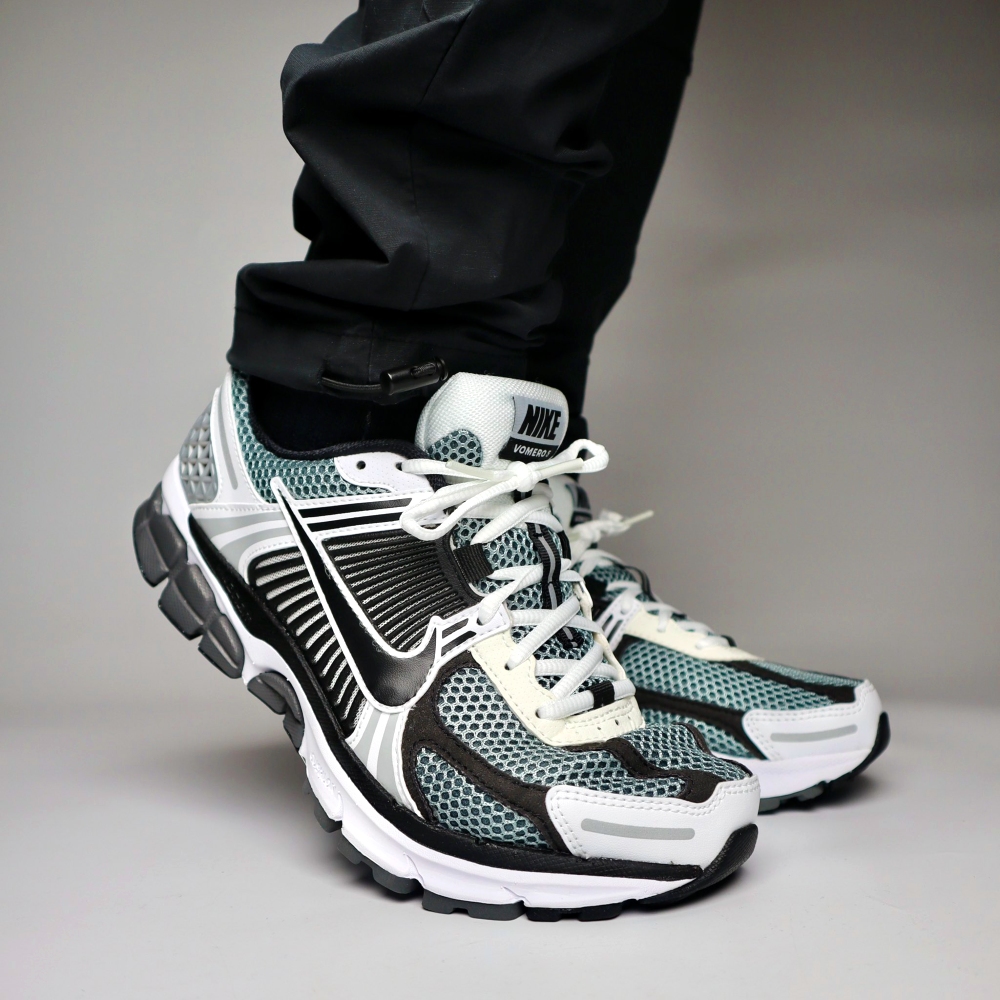
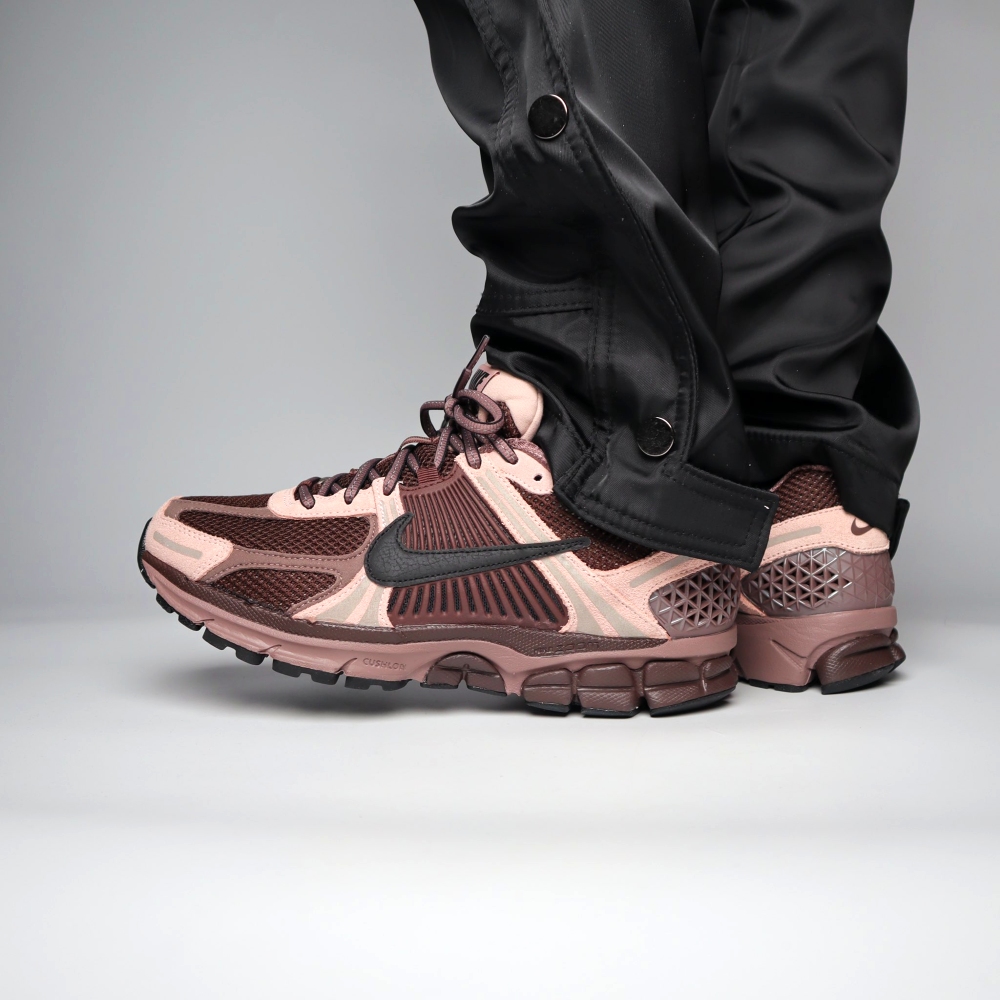
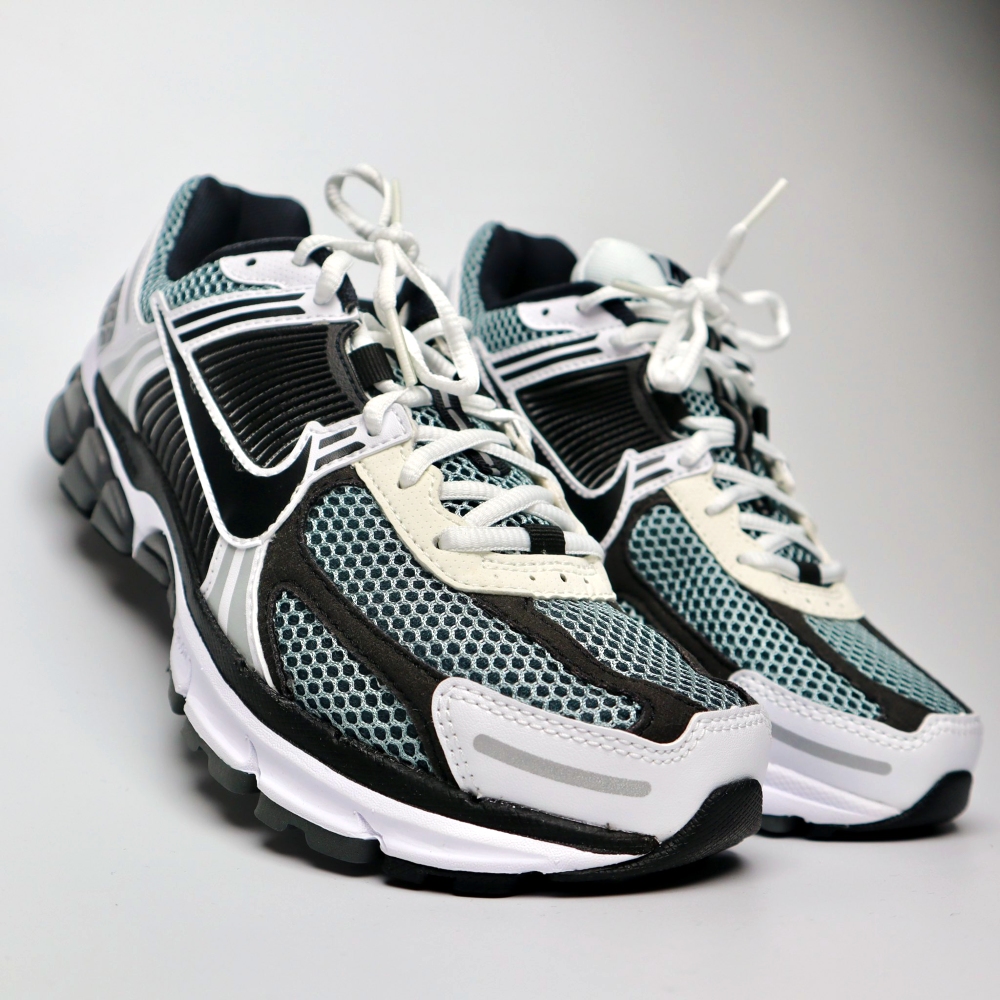
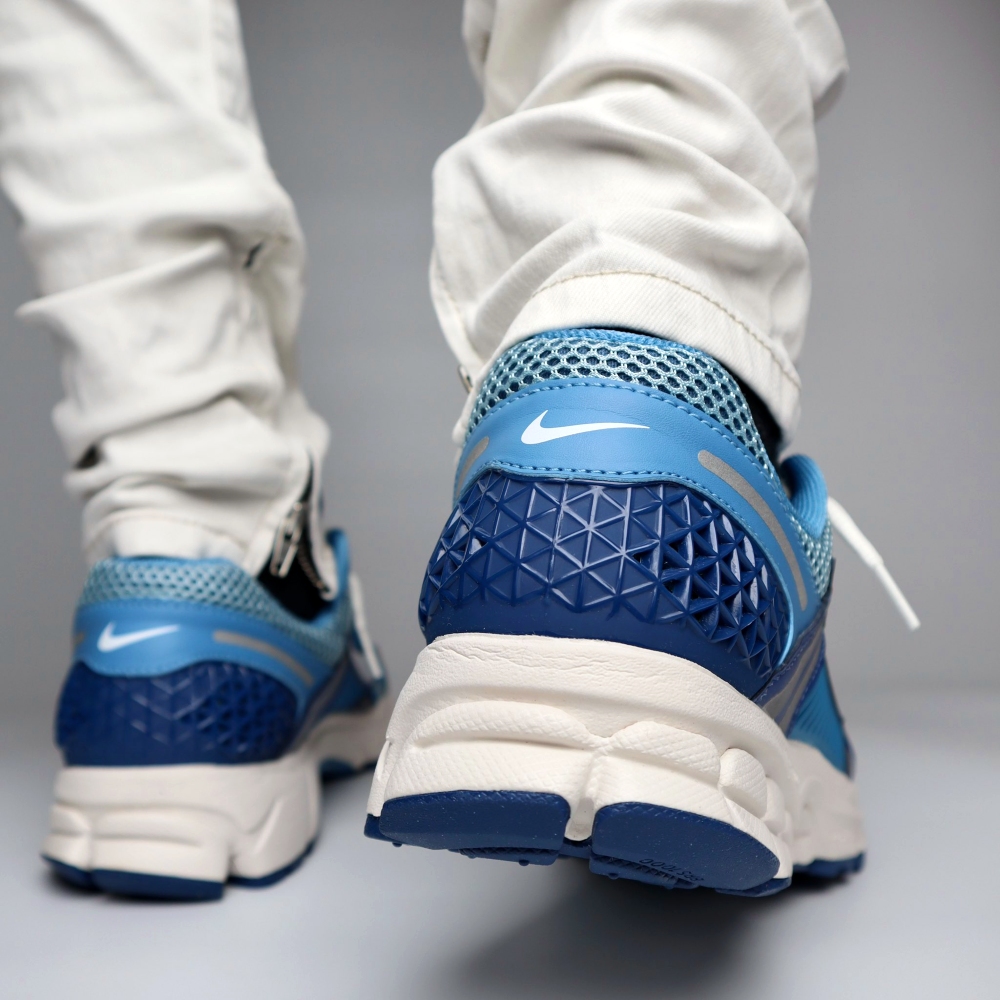
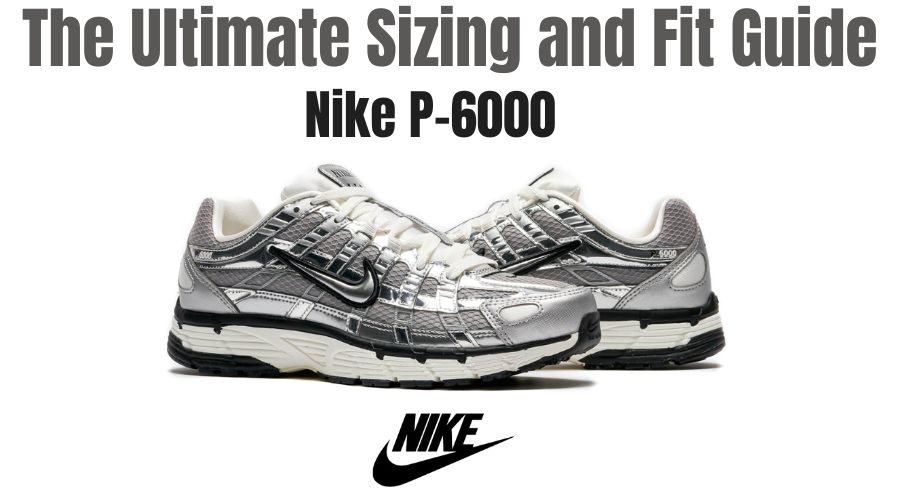
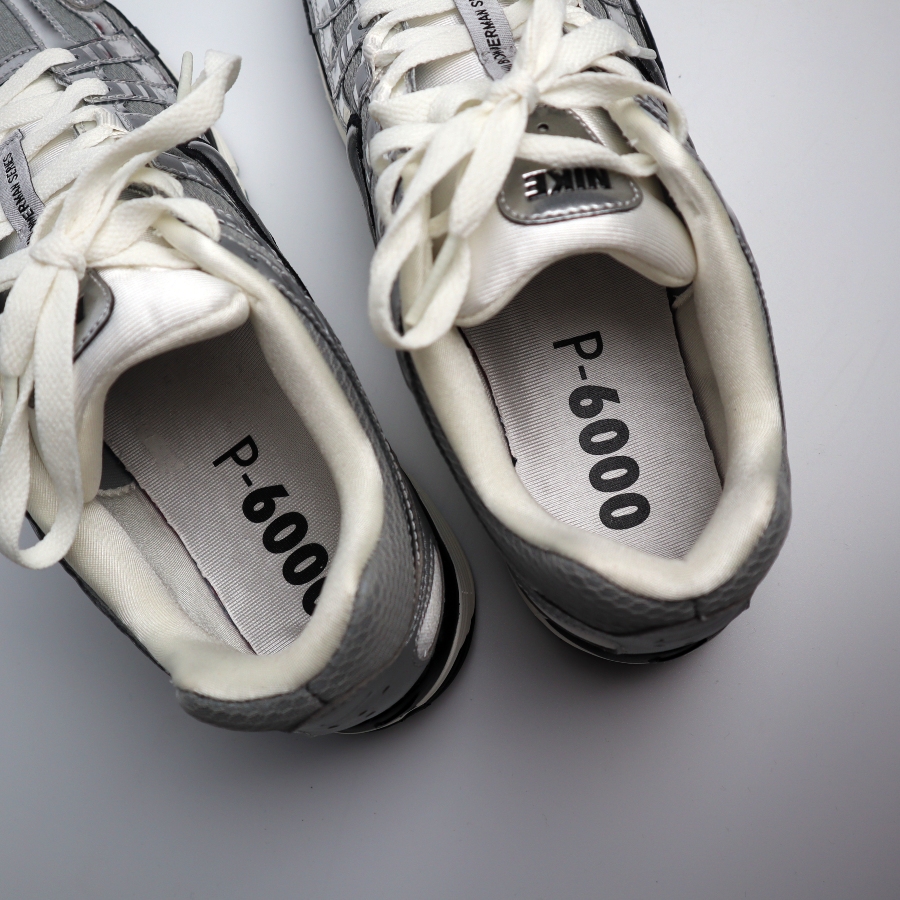
The Ultimate Nike P-6000 Sizing and Fit Guide : How Do They Fit ?
22 October 2025

The Ultimate Nike P-6000 Sizing and Fit Guide : How Do They Fit ?

  • Posted By : Charly

The Nike P-6000 has exploded in popularity over the past few years, becoming one of the most worn retro runner sneakers on the streets. With its Y2K aesthetic inspired by the 2000s and its affordable price point, this sneaker appeals to both fashion enthusiasts and those simply looking for a comfortable everyday shoe.

But like with any Nike, the question always comes up: how does it actually fit? Buying sneakers online can be a real headache, especially when sizing often varies from one Nike model to another. Some models run large, others small, and some are perfect... but only if you have narrow feet.

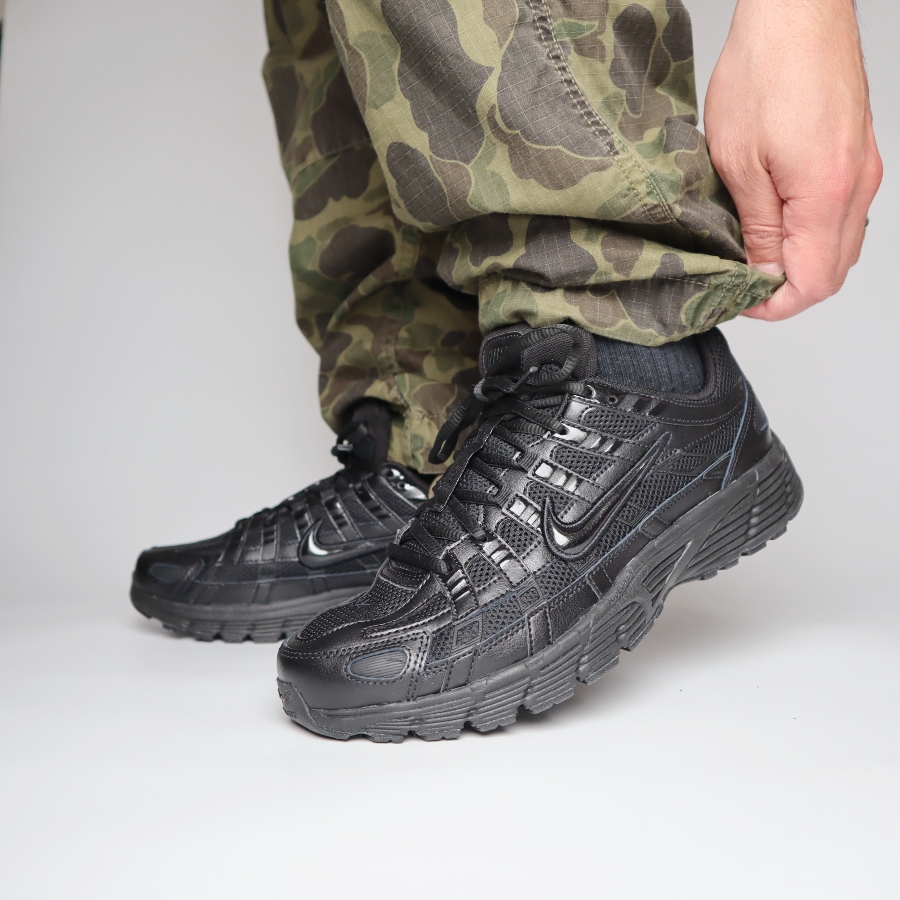
To keep it simple, the Nike P-6000 fits perfectly true to size. We recommend choosing your usual Nike size. However, if you're between sizes or have particularly wide feet, going half a size up may be wise for optimal comfort.

Fit Analysis: How Does the Nike P-6000 Adapt to Your Foot?

To understand how the P-6000 fits your foot, you first need to look at its construction. This sneaker cleverly combines different materials to create a balance between breathability and structure.

The shoe's base consists of a breathable open-weave mesh that offers excellent ventilation. This mesh isn't rigid—it has some flex, particularly in the forefoot, which allows the shoe to naturally adapt to your foot shape without creating uncomfortable pressure points.

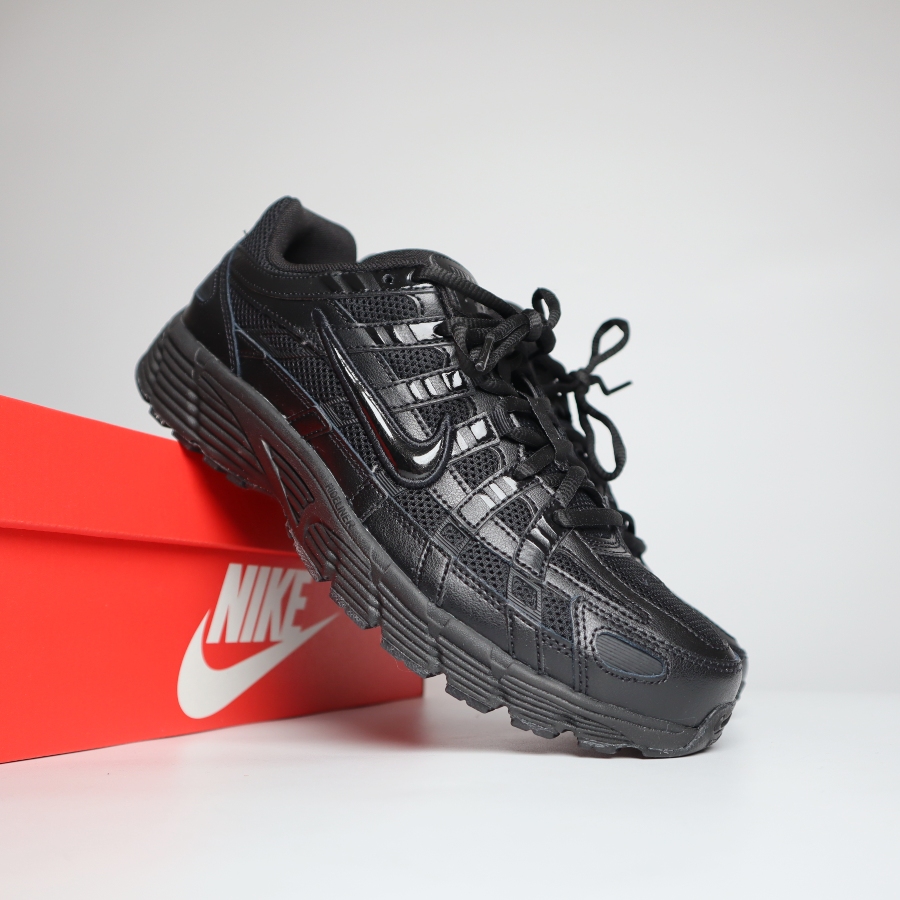
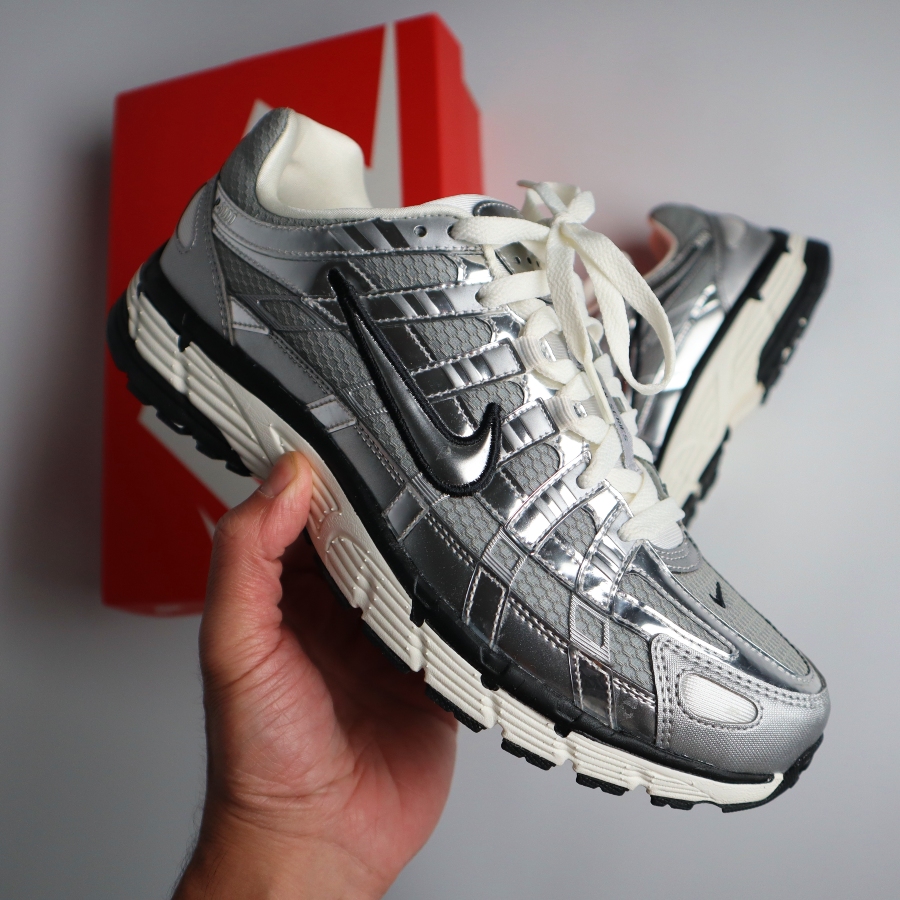
On top of this mesh, you'll find overlays made of synthetic leather and plastic materials that create the distinctive "cage" design of the P-6000. These reinforcements aren't just there for aesthetics—they structure the shoe and ensure good foot support, particularly in the midfoot area. Unlike a sneaker made entirely of mesh or knit that can stretch considerably over time, these overlays limit the P-6000's stretching, which means the size you choose initially will remain relatively stable.

The toe box (the space for your toes) is standard width, even slightly more spacious than average. Lab tests measured a width of 93.9mm in the metatarsal area, which is slightly above average for Nike sneakers. Near the big toe, the width measures 68.4mm, and the toe box height reaches 29.7mm—enough vertical space to prevent your toes from being compressed, even after several hours of walking.

The rounded shape of the toe box also contributes to comfort. Unlike some Nike models with a more pointed profile, the P-6000 offers generous space that allows your toes to move naturally. This is particularly appreciated during long days when your feet may slightly swell.

Our Size Recommendations by Foot Type

Not all feet are created equal, and the Nike P-6000 may fit differently depending on your morphology. Here are our detailed recommendations:

For Regular and Narrow Feet

If you have standard or rather narrow feet, the answer is simple: go with your usual size. The P-6000 fits perfectly true to size for the majority of wearers.

The shoe's lacing system is particularly effective and allows for precise adjustment. If you ever find the shoe slightly spacious in the midfoot area (which can happen with narrow feet), you can simply tighten the laces a bit more to get perfect support. The eyelets and lacing configuration really allow you to customize the fit to your preference.

A major advantage of the P-6000: it requires virtually no "break-in" period. From the first wear, the combination of flexible mesh and sufficient structure creates immediate comfort. You won't have to endure several days of discomfort before the shoe adapts to your foot, as is sometimes the case with more rigid leather models.

For Wide Feet

This is where things become more nuanced. The good news is that the Nike P-6000 is generally more accommodating for wide feet than many other Nike runners, particularly thanks to its spacious toe box and flexible mesh.

If you have slightly wide feet: Your usual size should work, especially if you prefer a snug fit. The mesh has enough flexibility to adapt to a slightly greater width without creating discomfort. Some users with wide feet report being very satisfied staying true to size.

If you have truly wide feet: We strongly recommend going half a size up. Although the toe box is generous, the synthetic overlays can create pressure points on the sides of the foot, particularly around the pinky toe, if the shoe is too tight. An extra half size eliminates this risk while maintaining good overall support.

Several feedback reports from users with wide feet confirm that going half a size up offers the best compromise: enough lateral space to be comfortable all day, without the shoe becoming too long or slipping at the heel.

Everyday Comfort: Is the P-6000 Pleasant to Wear?

Beyond dimensions, let's talk about what really matters: how it feels when you wear the shoe for hours.

The Nike P-6000 excels in daily comfort, and this isn't by accident. Even though it's technically a lifestyle sneaker, it inherits the DNA of Nike's 2000s running shoes, notably the Pegasus 25 and Pegasus 2006. This running lineage is immediately felt on foot.

The midsole uses engineered EVA foam which, although not as advanced as modern technologies like React or ZoomX, offers excellent cushioning for daily use. The foam is firm without being rigid (30.0 HA on the hardness scale, which is perfectly average), creating a planted and stable sensation rather than an ultra-plush "cloud" feeling. For some, this is exactly what they're looking for—a good balance between cushioning and responsiveness.

The shoe's lightweight construction is remarkable. You won't feel your feet weighed down after several hours of wear, which is crucial for daily use. The breathable mesh also ensures good air circulation, preventing overheating even during summer.

Many users report being able to wear their P-6000s all day without any foot fatigue. Whether exploring a city as a tourist, standing all day at work, or simply running daily errands, the P-6000 rises to the occasion.

Small disclaimer: The P-6000 is not designed for intensive running or sports training. It's a lifestyle sneaker first and foremost. It can handle light occasional jogging or a sprint to catch the bus, but if you're a serious runner, opt for current running models with modern technologies.

Size Comparison: P-6000 vs Other Popular Sneakers

One of the most effective ways to determine your size in a new model is to compare it with sneakers you already own. Here's how the P-6000 stacks up against the most popular models.

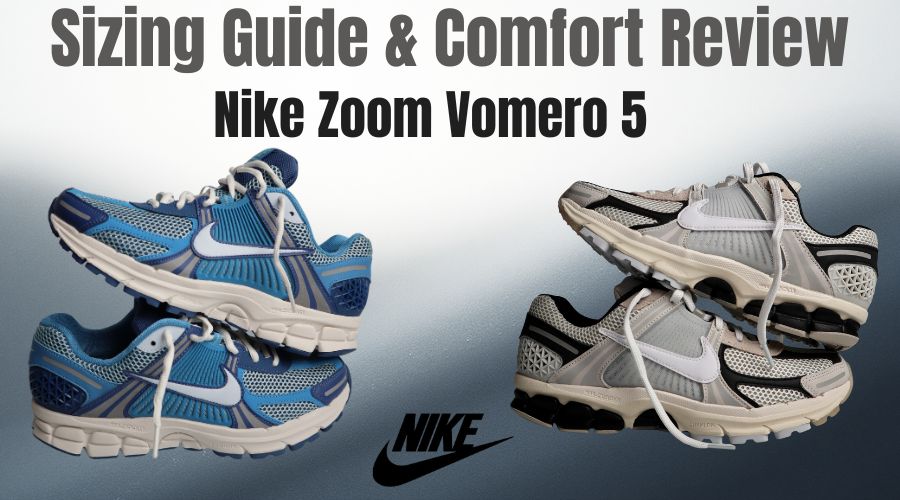
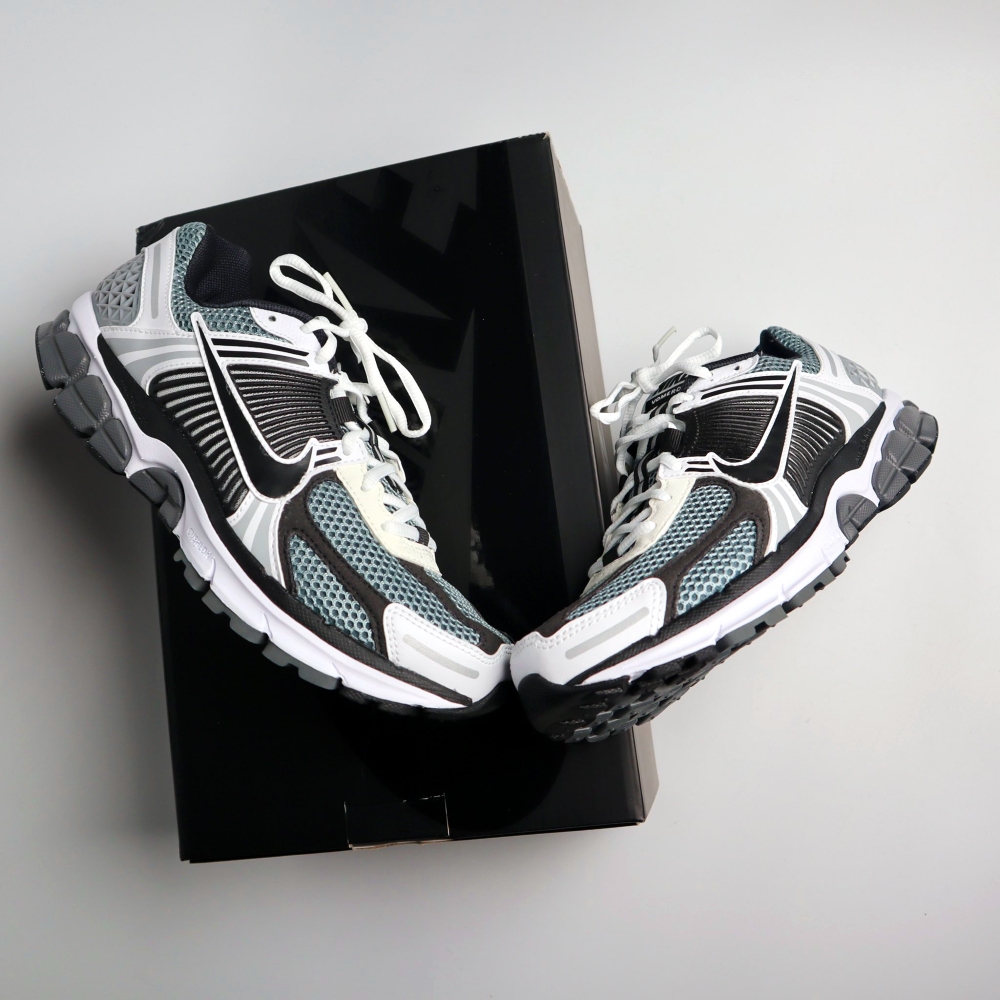
Nike P-6000 vs. Nike Vomero 5

The Vomero 5 is probably the most obvious direct competitor to the P-6000. Both sneakers are riding the Y2K retro runner wave, and many buyers hesitate between the two models.

Size advice: The P-6000 and Vomero 5 fit very similarly. Go with the same size in both models. If you wear a US 10 in Vomero 5 and you're satisfied, get a US 10 in P-6000.

Both shoes have a spacious toe box and general construction that accommodates different foot types well. The main difference lies in cushioning—the Vomero 5 features Zoom Air technology that offers a more "bouncy" feeling, while the P-6000 has firmer, more planted cushioning. But in terms of size and width, they're virtually identical.

Nike P-6000 vs. Nike Air Force 1

The Air Force 1 is the Nike reference everyone knows, so this is an essential comparison.

Size advice: This is where it gets interesting. The Air Force 1 is known to run slightly large, especially leather models which can feel very roomy. The P-6000, however, runs true to size.

Concrete recommendation: If you usually wear US 10 in Air Force 1 and it's perfect, get a US 10.5 in P-6000. If you tend to go half a size down in your AF1s (as many do), then go back to your "normal" size for the P-6000.

For example: If you normally wear US 10 but buy your AF1s in US 9.5 because they run large, get US 10 in P-6000.

The difference also comes from the fact that leather AF1s often require a break-in period where the leather softens, while the P-6000 is comfortable immediately. Don't expect a P-6000 to "stretch out" over time like an AF1 might.

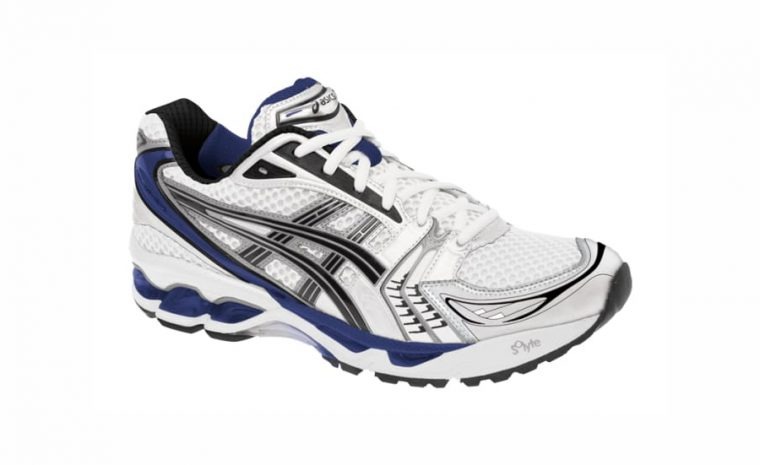
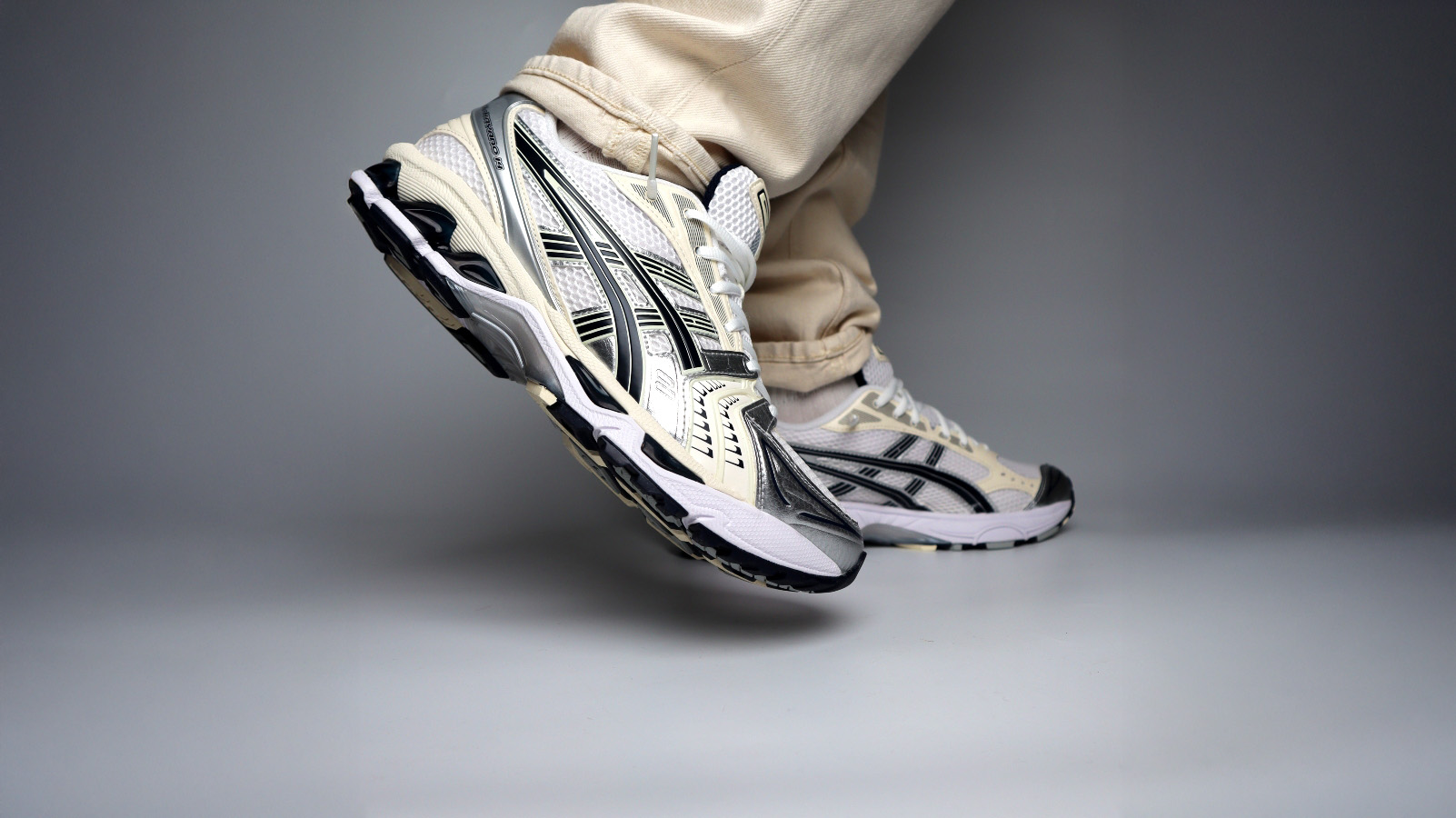
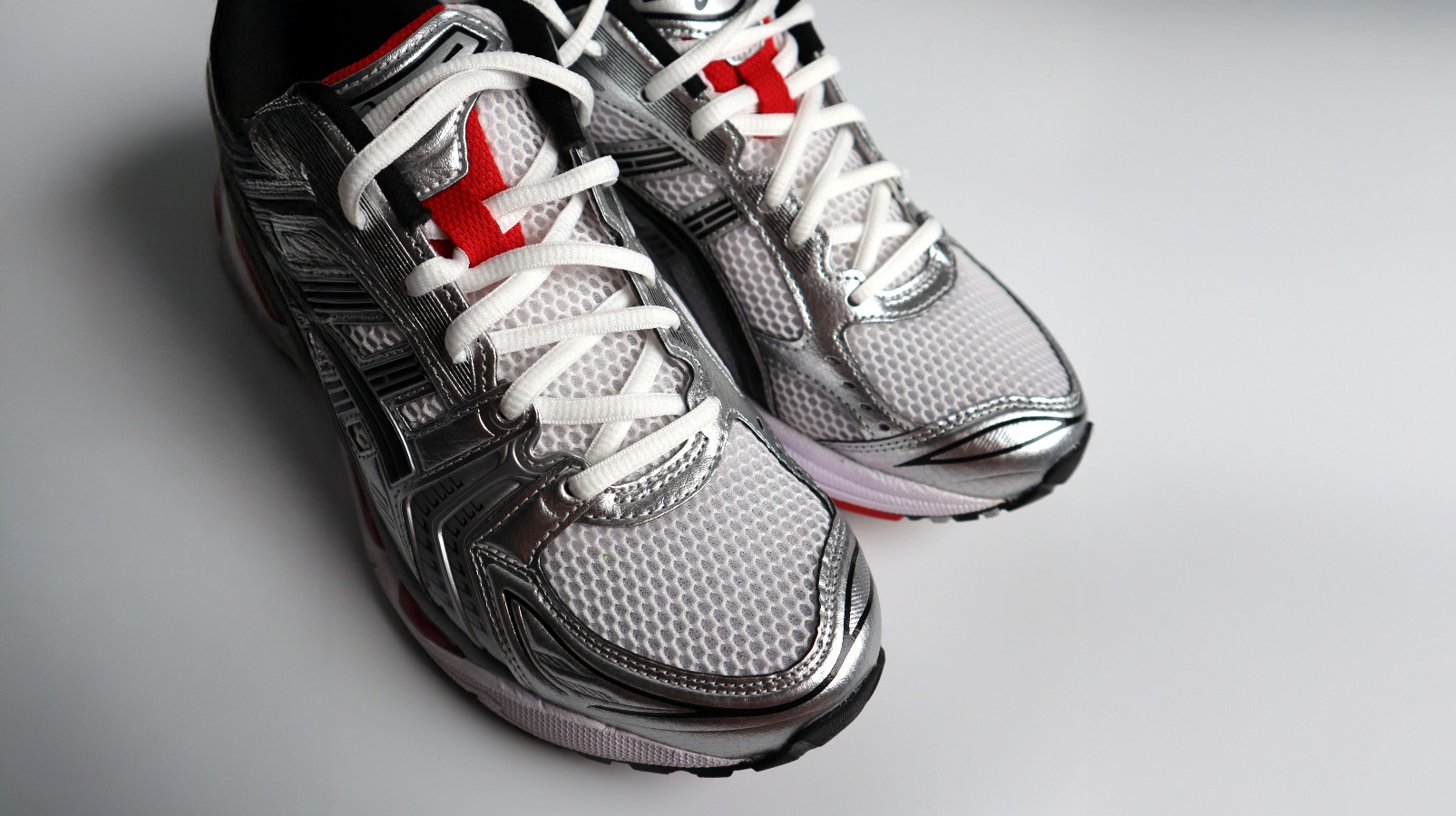
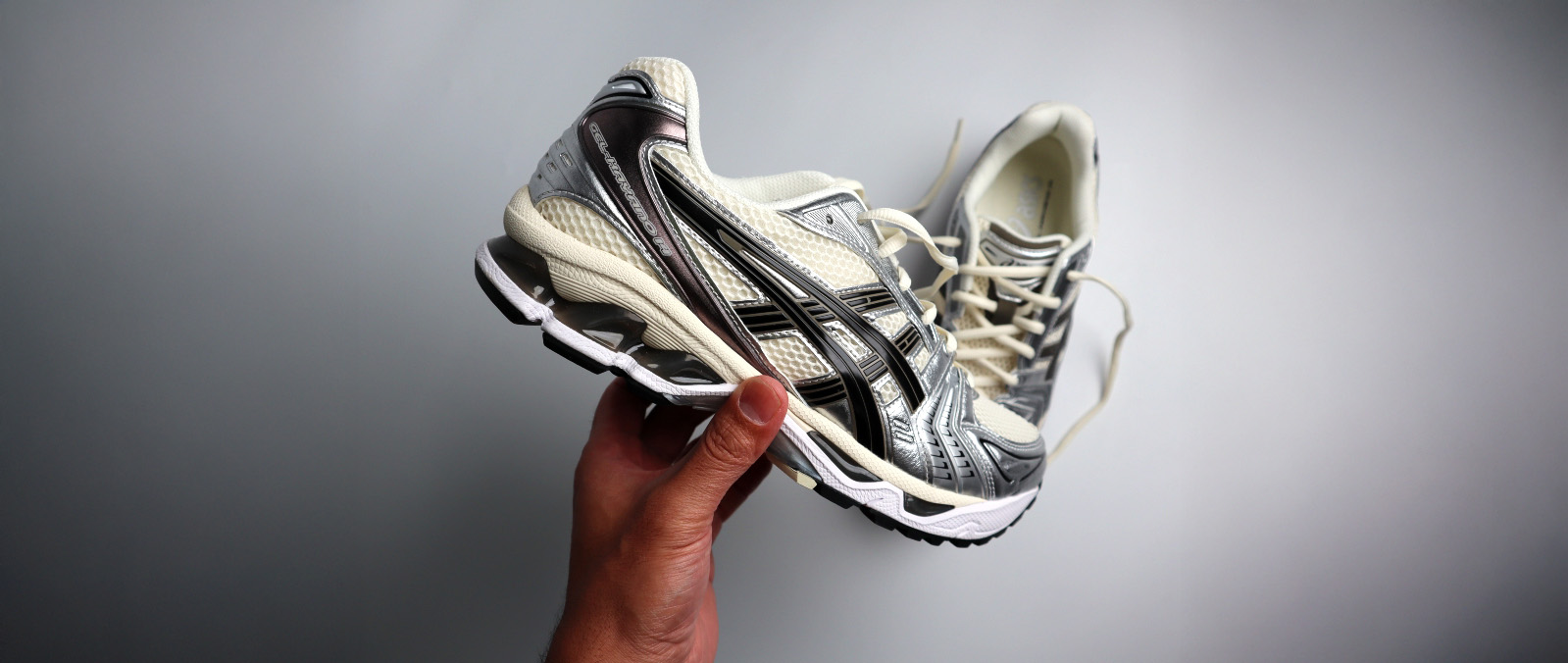
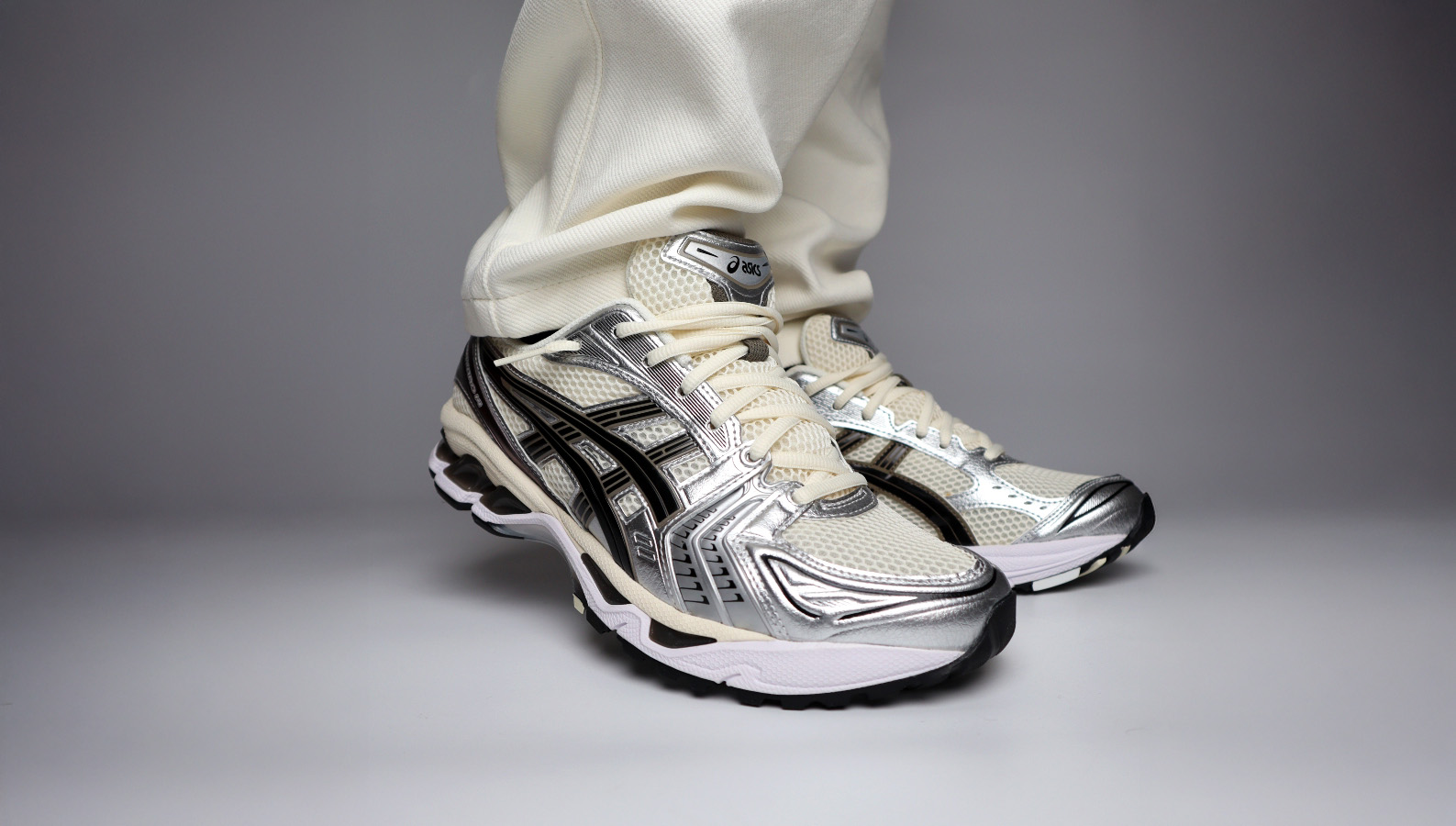
Nike P-6000 vs. Asics Gel-Kayano 14

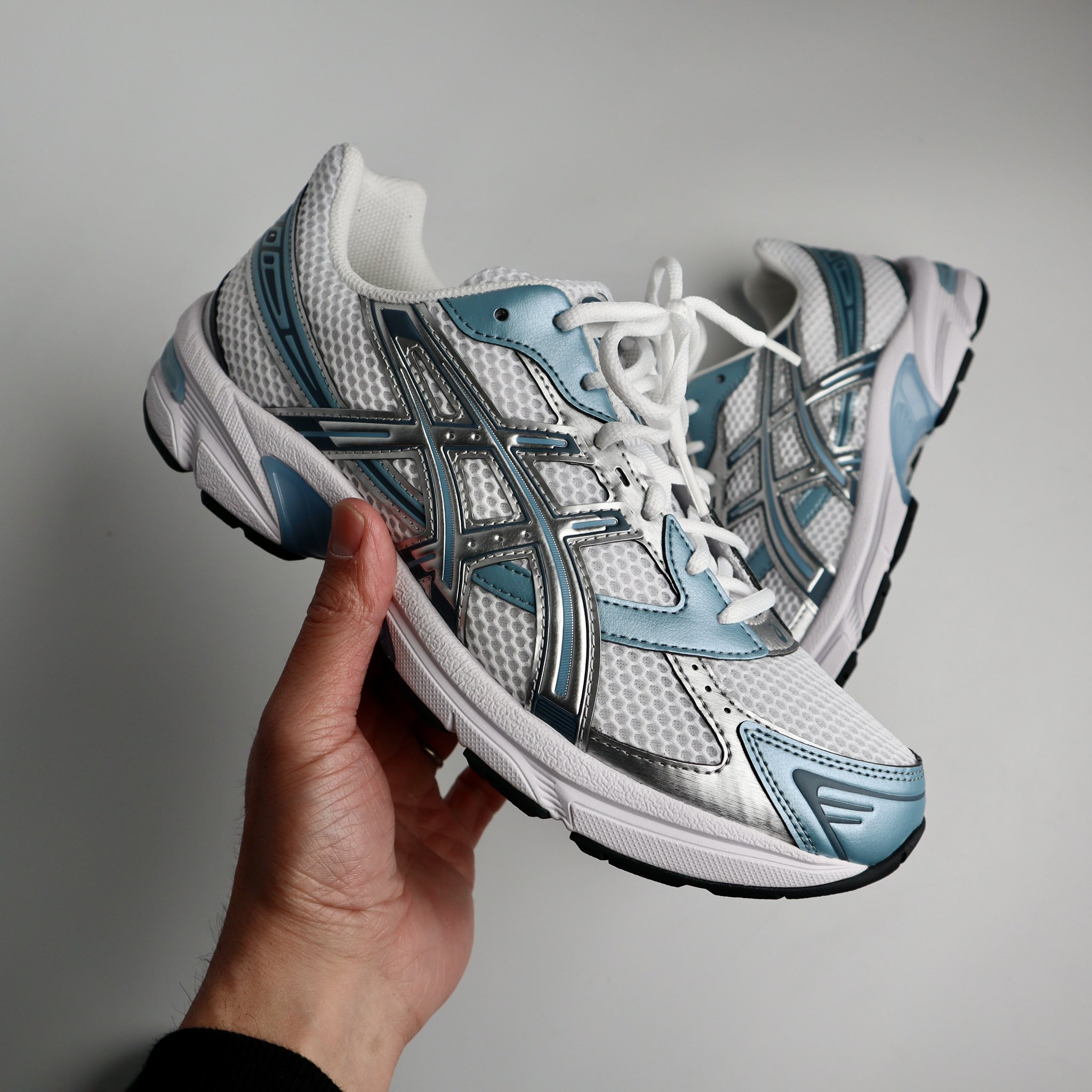
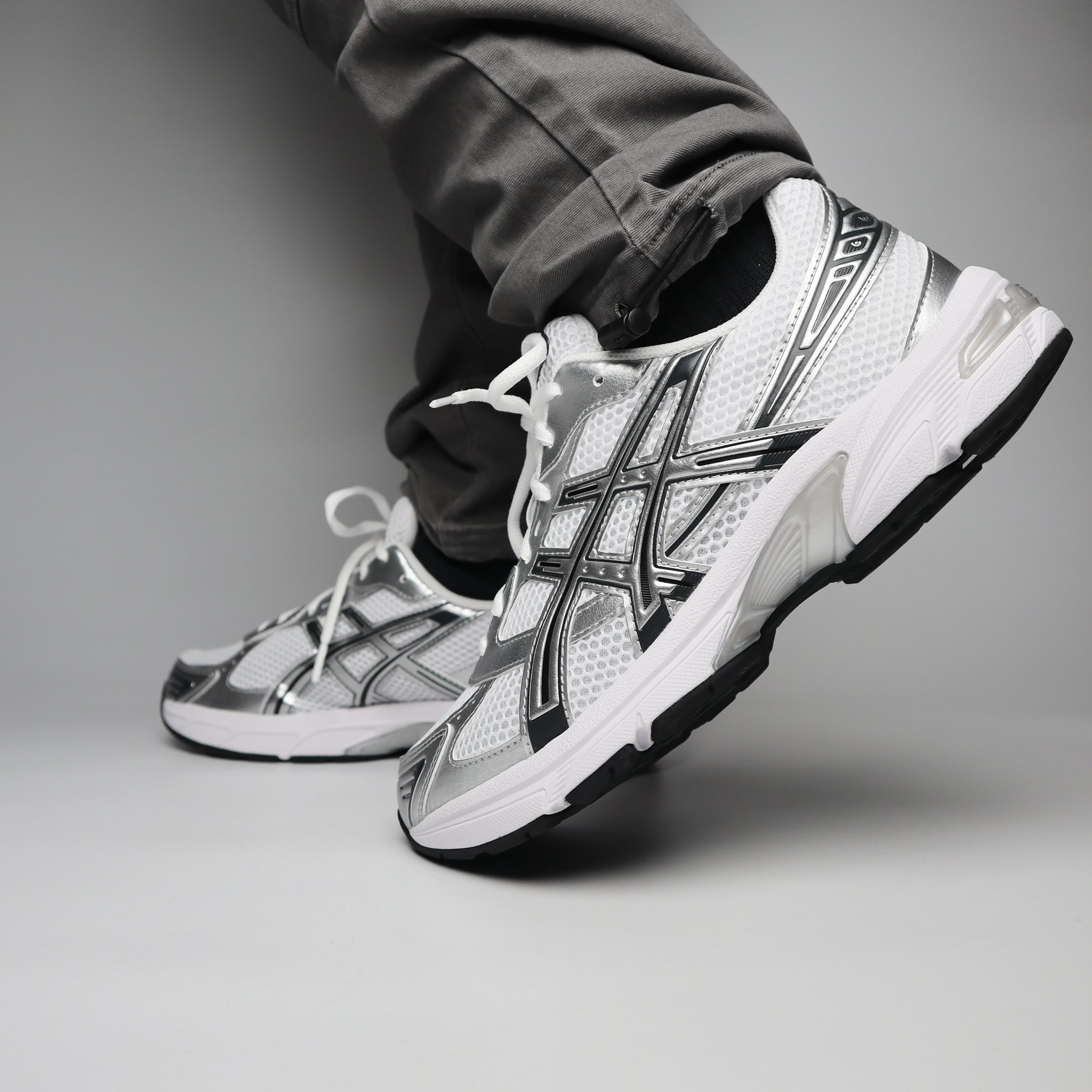
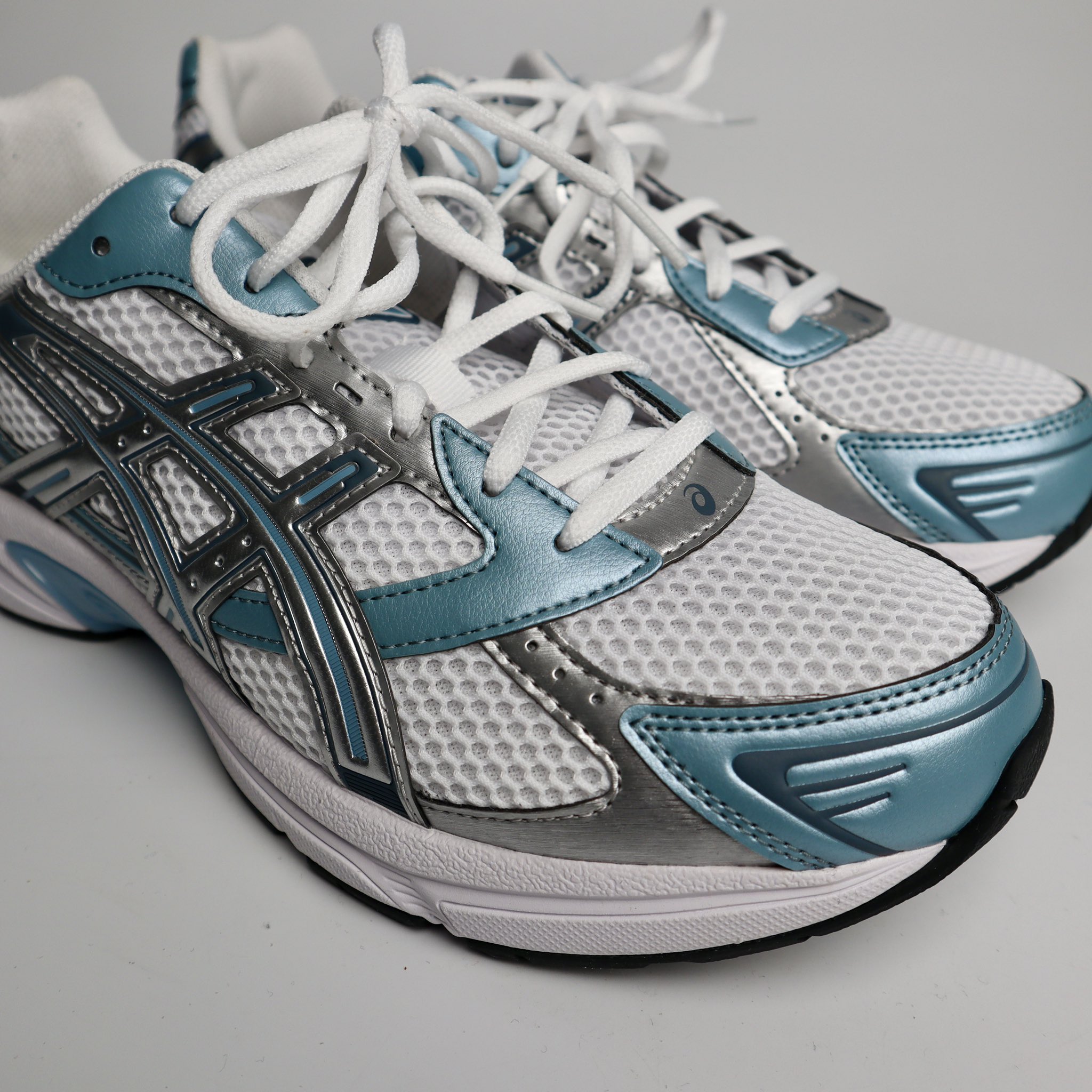
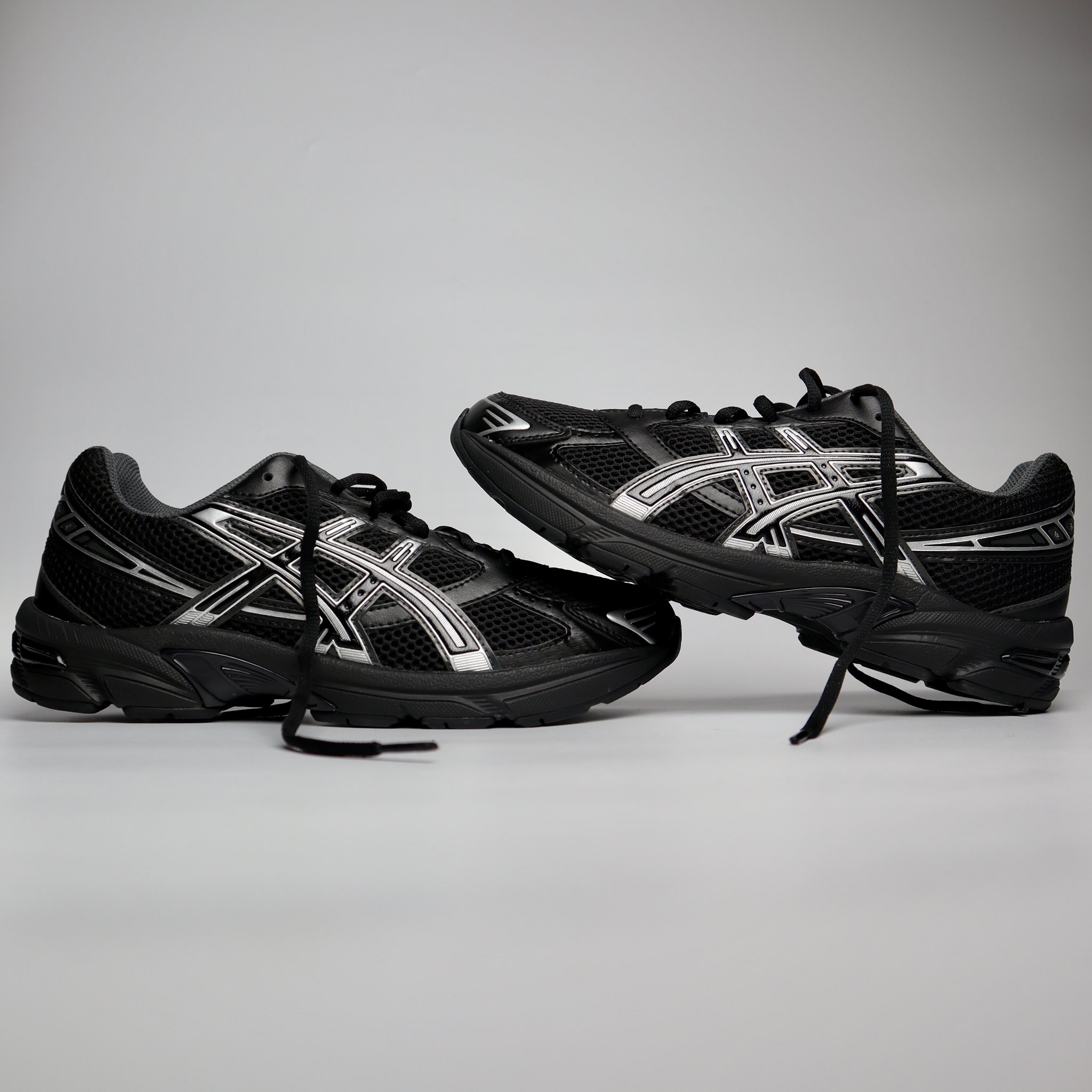
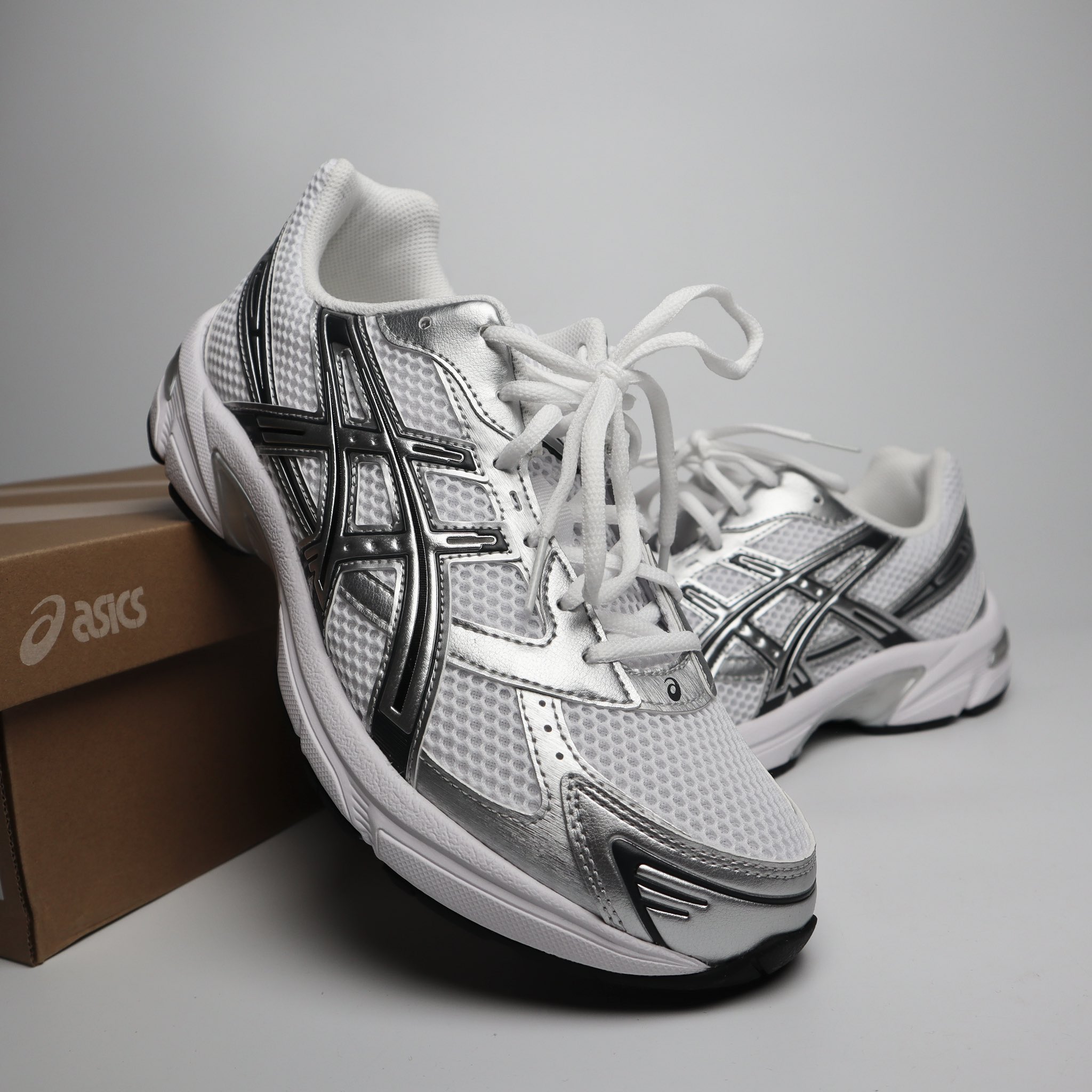
This comparison is particularly relevant because both models target exactly the same audience: fans of the 2000s "tech runner" aesthetic with metallic overlays and mesh.

Size advice: Good news here—both models fit very similarly. Go with the same size in the P-6000 as in the Gel-Kayano 14.

If you wear US 10 in Kayano 14 and it fits well, US 10 in P-6000 will be perfect. Both shoes have a similar fit philosophy: true to size for most, with the option to go up half a size if you have particularly wide feet.

The Kayano 14 may have a slightly more generous toe box, but the difference is minimal and shouldn't influence your size choice.


Frequently Asked Questions (FAQ)

Q: Do Nike P-6000s stretch out over time?

A: Very little. The mesh may soften slightly with regular use, but the synthetic leather reinforcements and plastic overlays prevent the shoe from deforming or expanding significantly.

Definitely don't buy them too tight hoping they'll stretch out—this isn't a leather Air Force 1 that will break in. The size you choose initially is what you'll keep. If the shoe feels tight when you buy it, it will probably always feel tight.

Q: Should I get the same size in Men's and Women's models?

A: The Nike P-6000 is available in men's and women's versions, and sometimes certain colors are only available in one category.

Technically, the construction and fit are identical between men's and women's versions. The main difference lies in sizing: women's sizes are generally 1.5 points above men's sizes in the US system.

Our advice: Always refer to the size guide in CM or EU to be absolutely sure, especially if you're buying a model marketed for the opposite gender. For example, if you normally wear EU 40, look for a model that corresponds to EU 40, whether it's labeled men's or women's. Centimeters don't lie.

Most websites display the measurement in centimeters on the product page. Measure your foot and compare it directly to the cm chart to eliminate any confusion.

Q: Is the P-6000 suitable for flat feet?

A: The P-6000 is not a stability shoe specifically designed for flat feet or overpronation, but many people with flat feet find it comfortable for daily use.

The midsole offers decent support without being excessively structured. If you need orthopedic insoles, you can easily remove the P-6000's original insole to replace it with your own.

For casual use and city walking, the P-6000 should suit most flat feet. However, if you're looking for a true running shoe with pronation control, opt for specific models.

Q: Can you use the P-6000 for running?

A: Although the P-6000 draws its DNA from 2000s running shoes, the current version is primarily a lifestyle sneaker.

It can handle light occasional jogging, short distances, or a sprint to catch the train. Some users report doing a few kilometers from time to time without problems. But for serious running, regular training, or long distances, it's not the right tool.

Cushioning and support technologies have evolved enormously since the 2000s. If you're a real runner, invest in a real modern running shoe like the Pegasus 41, Vaporfly, or other current models that will offer much more protection and performance.

Keep your P-6000s for style and daily comfort—that's where they truly excel.

Q: How do P-6000s perform in rainy weather?

A: The P-6000 is not waterproof or even particularly water-resistant. The breathable mesh that makes it comfortable in summer becomes a drawback when it rains—your feet will get wet fairly quickly.

If you live in a rainy area, consider the P-6000s as fair-weather sneakers, or invest in a waterproofing spray to apply to the mesh (although this will reduce breathability).

Some "Premium" or "Winter" versions of the P-6000 use denser materials or additional layers that offer better protection, but even these versions aren't really made for heavy rain days.

Conclusion: The Final Verdict on P-6000 Sizing

Let's summarize the essential points to help you make the right choice:

True to size for most : Go with your usual Nike size if you have normal or narrow feet. The P-6000 fits faithfully and doesn't require adjustment.

Half a size up for wide feet : If you have particularly wide feet, don't hesitate to go up half a size to avoid any lateral pressure and maximize comfort.

Comfortable immediately : No break-in period necessary. What you feel in-store or on first wear is what you'll have all the time.

Doesn't stretch : Don't count on the shoe stretching out. Choose a size that fits you perfectly from the start.

Excellent for everyday use : Walking, shopping, tourism, standing all day—the P-6000 excels in all these situations thanks to its comfortable cushioning and lightweight design.

The Nike P-6000 represents excellent value for a lifestyle sneaker. Its distinctive Y2K aesthetic, daily comfort, and accessible price (generally around $100-110) make it a smart choice for anyone looking for a versatile and trendy sneaker.

With this guide, you now have all the information needed to order your pair with confidence. The P-6000 is one of those rare sneakers that achieves the perfect balance between retro style and modern comfort—it would be a shame not to enjoy this combination because of the wrong size choice.

Where to Buy the Nike P-6000?

Ready to get your pair ? Find all the Nike P-6000 colorways available and the major retailers where to buy them on our dedicated releases page.

Don't forget to check return policies before buying, especially if it's your first pair of P-6000s. Most sites offer free returns within 30 days, allowing you to try them on at home and exchange if necessary.

With the right fit, the Nike P-6000 will quickly become one of your favorite everyday sneakers. Happy shopping ! 👟

The History of the Asics Gel-Kayano 14 : From Track to Fashion Icon
21 October 2025

The History of the Asics Gel-Kayano 14 : From Track to Fashion Icon

  • Posted By : Charly
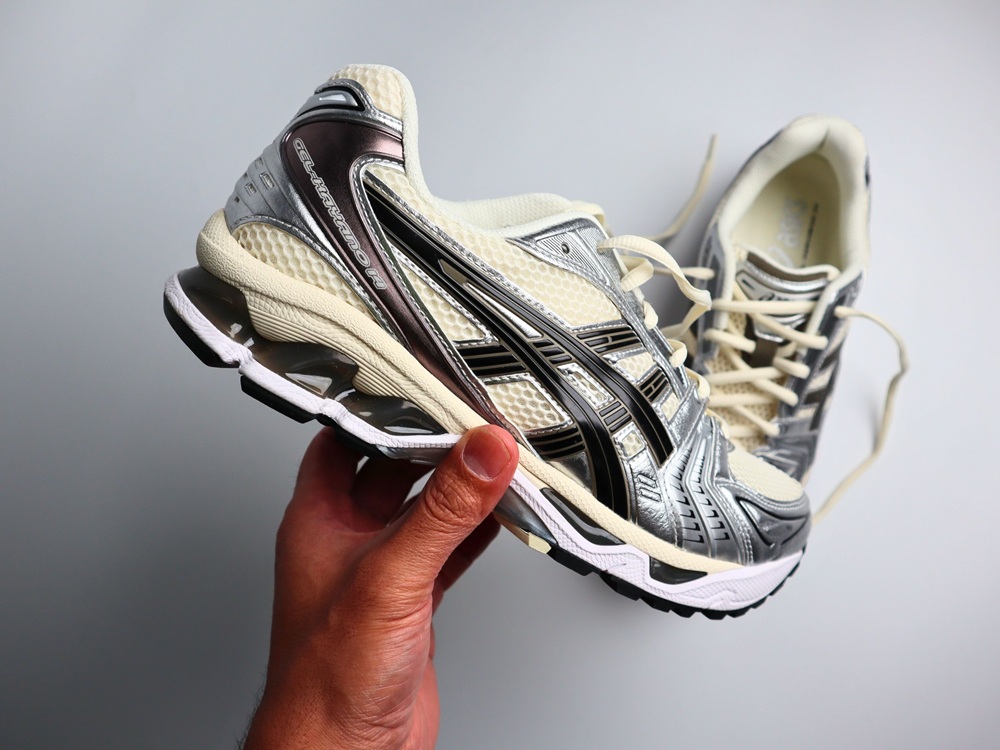
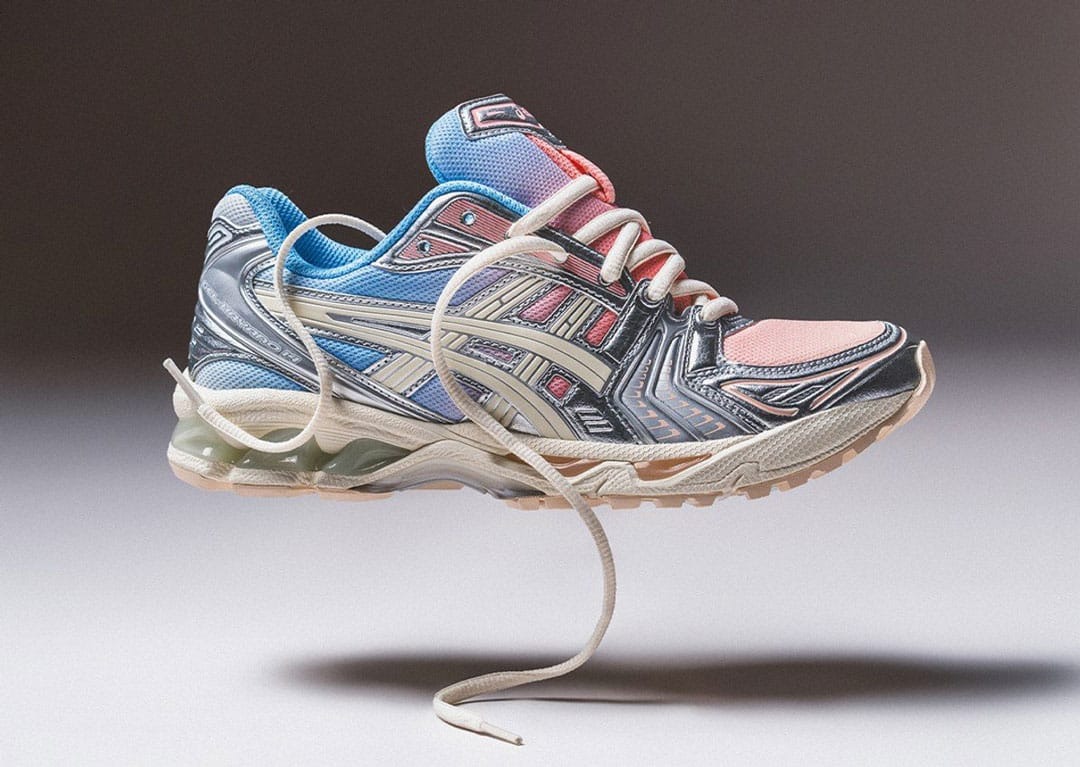
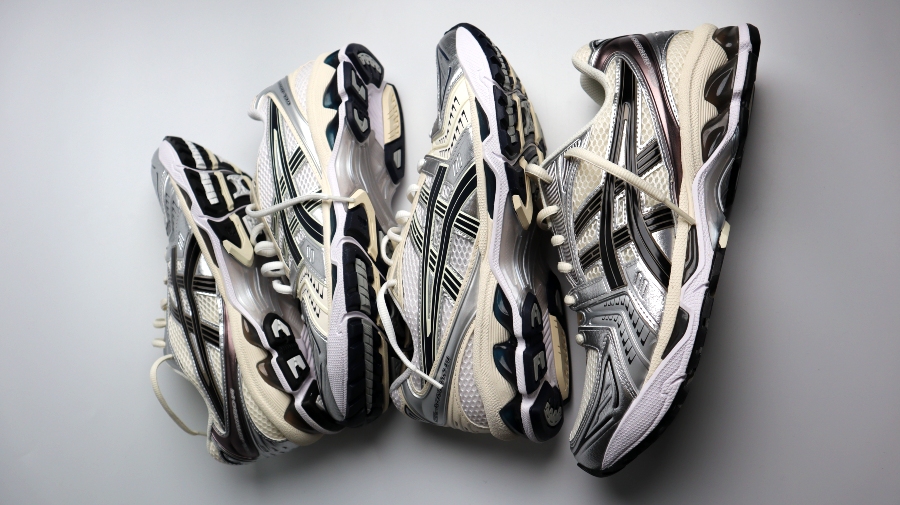
Scroll through Instagram, stroll past any fashion week venue, or walk down a trendy city street, and you'll inevitably spot them: the Asics Gel-Kayano 14, with its distinctive metallic overlays and chunky silhouette. This sneaker has become so ubiquitous in contemporary fashion that it's hard to believe it started life as a technical running shoe designed for serious athletes.

So how did a performance running shoe from 2008 become one of the most coveted lifestyle sneakers of the 2020s? The answer lies in a perfect storm of authentic design heritage, strategic collaborations, and the cyclical nature of fashion trends. The Gel-Kayano 14's journey from track to trend is a masterclass in how technical excellence can transcend its original purpose to become a cultural icon.

The Origins: A Technical Masterpiece of 2008

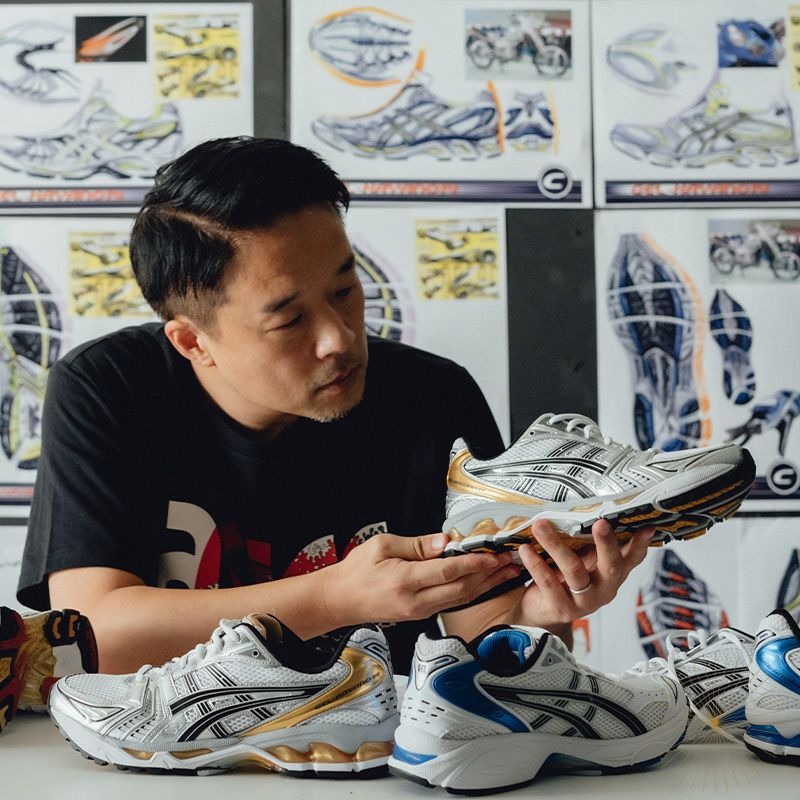
The Gel-Kayano 14 made its debut in 2008 as the fourteenth iteration in Asics' prestigious Gel-Kayano running series. What made this particular release historically significant was that it marked a changing of the guard: for the first time since the line's inception in 1993, someone other than the series' namesake, Toshikazu Kayano, would design a Gel-Kayano model.

That responsibility fell to Hidenori Yamashita, a designer who would prove instrumental not only in the shoe's original release but also in its eventual resurrection over a decade later. Yamashita's design philosophy centered on a singular concept: "flash." As he explained, "'Flash' for me references that burst of action where the runner lands at the heel and pushes away at the toes. Whether it's the color, the lines, the materials, the silhouette, or the texture—all aspects of the Gel-Kayano 14 are designed with that idea of 'flash' in mind."

This wasn't mere marketing speak. Yamashita took the technological foundation laid by Kayano and pushed it further, incorporating as much GEL cushioning as possible in the forefoot while maintaining the structural integrity that made the series famous. The result was a top-tier stability running shoe engineered for serious athletes, particularly those who overpronate.

The shoe's technical credentials were immediately recognized by the running community. In 2008, the Gel-Kayano 14 won the International Editor's Choice prize in Runner's World magazine's annual awards—a prestigious honor decided at the International Shoe Summit, where representatives from various countries gather to recognize the year's most outstanding footwear. Many runners were actually disappointed when Asics moved on to the Gel-Kayano 15 in 2009, preferring the balanced performance of the 14.

But this wasn't a fashion story yet. In 2008, the Gel-Kayano 14 was purely functional: visible GEL cushioning for shock absorption, supportive synthetic overlays for stability, breathable mesh for temperature regulation, and TRUSSTIC technology to keep the shoe lightweight while maintaining structural support. Style was a byproduct, not the objective.

The Y2K Aesthetic: A Style Ahead of Its Time

What Yamashita couldn't have fully anticipated was that his "flash" concept would create an aesthetic that perfectly captured the late-2000s design ethos—an aesthetic that would become incredibly desirable fifteen years later.

The Gel-Kayano 14's design language is unmistakably Y2K, featuring elements that define the era's tech-optimism and futuristic aspirations:

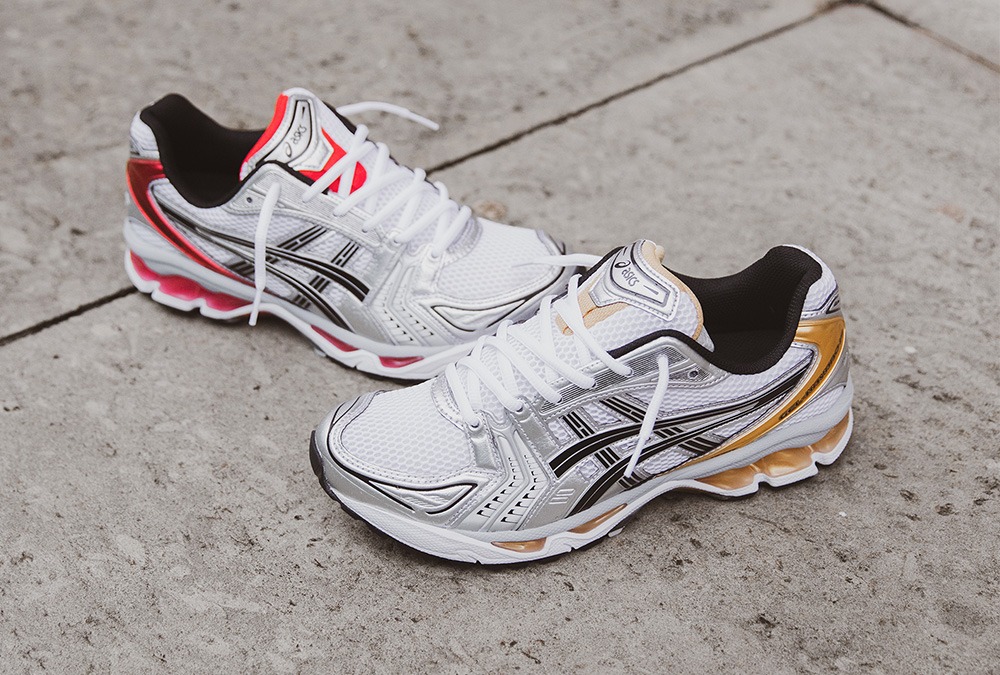
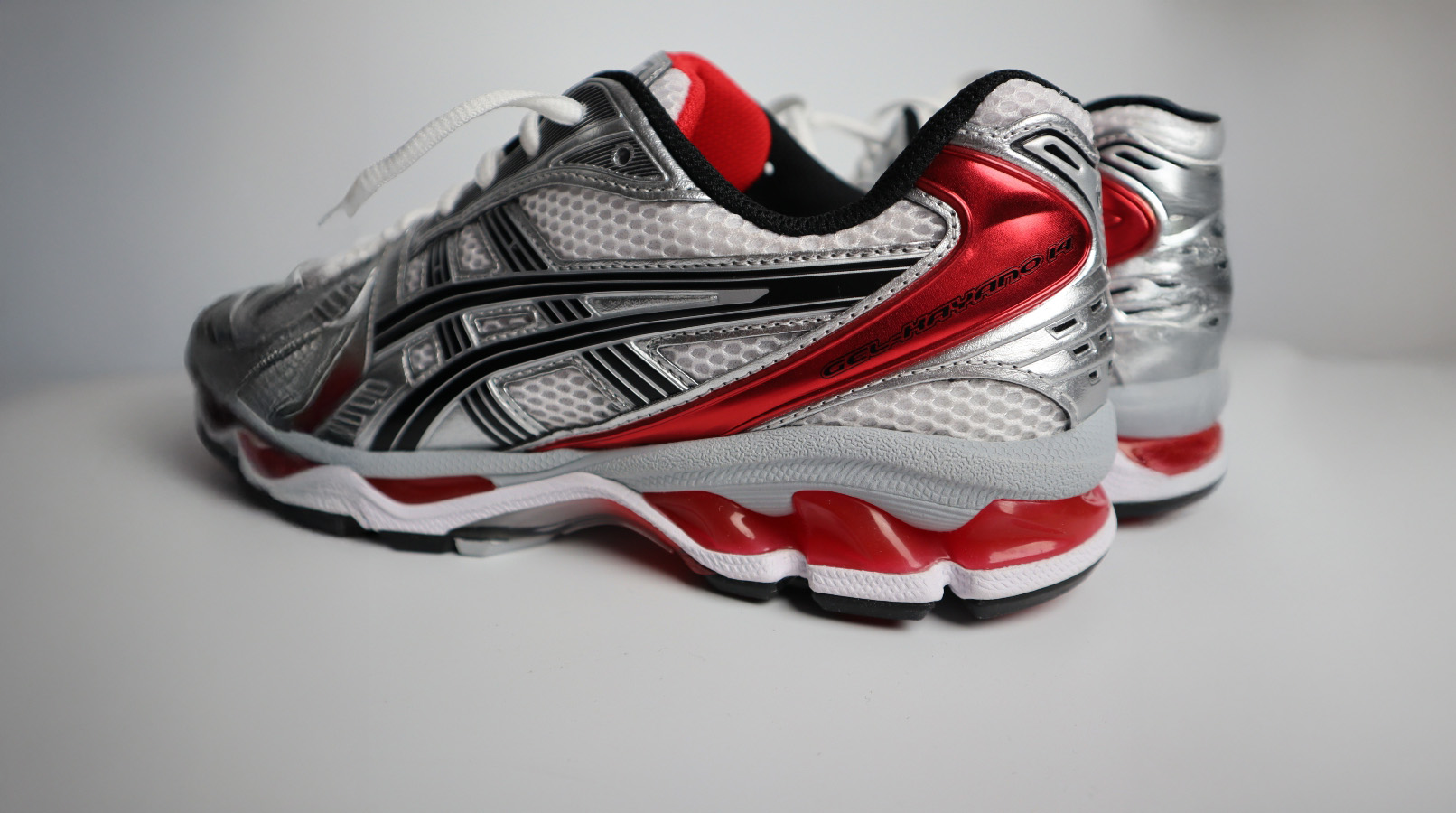
Metallic Silver Overlays: The signature element that makes the Kayano 14 instantly recognizable. These aren't subtle accents—they're bold, reflective panels that catch light and command attention. In 2008, this was functional (visibility for night runners). In 2023, it became fashion gold, perfectly aligned with the resurgence of shiny, futuristic aesthetics.

Open-Weave Mesh: The breathable mesh base wasn't just practical for performance; it created a visual texture that added depth and complexity to the design. The interplay between the transparent, technical mesh and the structured overlays created a layered look that feels both retro and contemporary.

Chunky, Layered Midsole: The substantial midsole, with its visible GEL technology and TRUSSTIC support system, created the foundation of what we now call the "dad shoe" or "tech runner" aesthetic. The exaggerated proportions and technical detailing that seemed overwrought in 2008 became precisely what made the shoe irresistible in the 2020s.

Skeletal Appearance: The outer heel's exposed structure and the distinct wave formation of the midsole gave the shoe an almost biomorphic quality—organic yet mechanical, technical yet artistic.

This futuristic-retro aesthetic lay dormant for years, archived and largely forgotten as Asics focused on newer technologies and sleeker designs. But fashion, as it always does, eventually came full circle. When the Y2K revival hit mainstream culture in the early 2020s, the Gel-Kayano 14 was waiting, its design perfectly preserved in the archives like a time capsule from 2008.


The Turning Point: How Key Collaborations Ignited the Hype

The Gel-Kayano 14 didn't simply resurface on its own. Its resurrection was carefully orchestrated through strategic collaborations that introduced the shoe to new audiences and transformed it from a forgotten runner into a must-have fashion piece.

The Kiko Kostadinov Effect: The Unofficial Catalyst

While Bulgarian designer Kiko Kostadinov never directly collaborated on an inline Gel-Kayano 14, his influence on the model's revival cannot be overstated. Beginning his partnership with Asics in 2018, Kostadinov brought his avant-garde, high-fashion sensibility to the brand's archive, creating futuristic reinterpretations that made the fashion world take Asics seriously.

Kostadinov's work did something crucial: it made Asics cool to a sophisticated, fashion-forward audience that might have previously dismissed the brand as purely functional sportswear. His boundary-pushing designs—featuring unexpected materials, bold silhouettes, and artistic colorways—created a halo effect that elevated the entire Asics portfolio.

When Asics decided to bring back an archived runner in 2020, Kostadinov played a pivotal advisory role. The brand initially planned to revive the Gel-Kayano 13, but Kostadinov advocated for the 14 instead, believing its design "made it look faster" and better captured the aesthetic evolution he was pursuing with the brand. That decision proved prescient.

Kostadinov's non-collaborative but influential UB1-S Gel-Kayano 14, which he oversaw in terms of materiality and color palettes, introduced the model to his devoted following. Suddenly, the Kayano 14 wasn't just a running shoe—it was a design object worthy of serious fashion consideration.


The JJJJound Seal of Approval: Minimalist Perfection

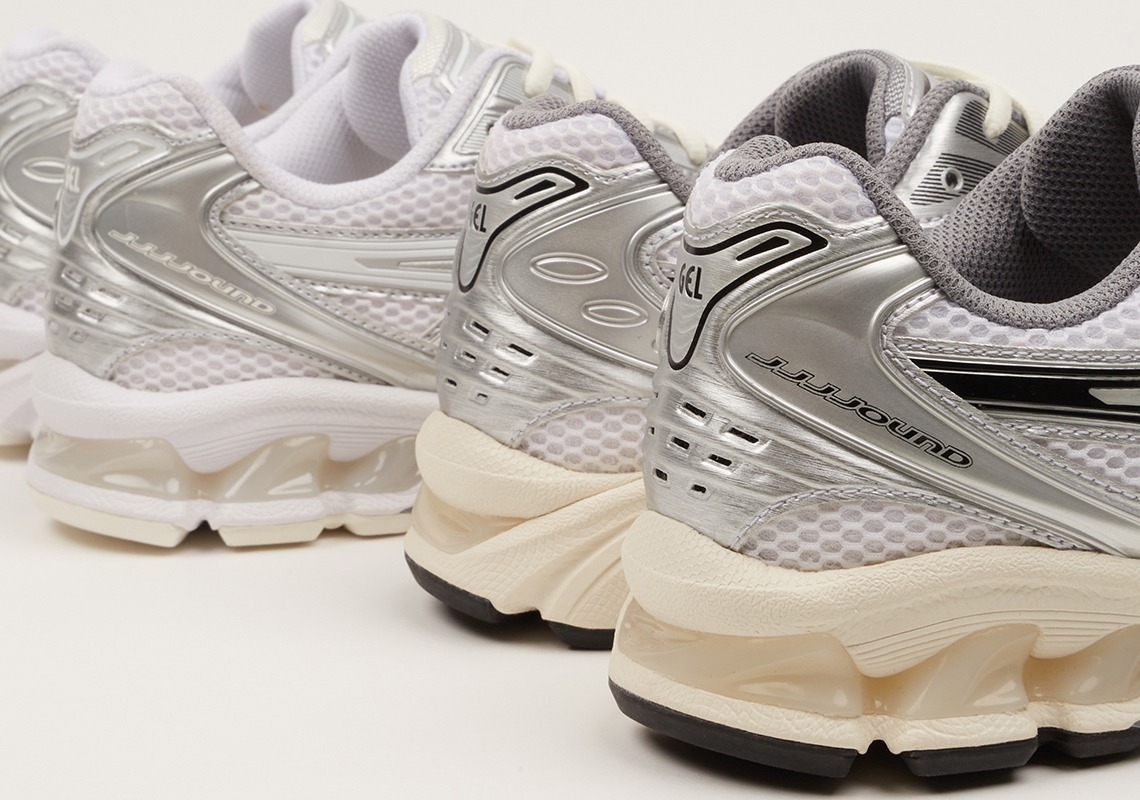
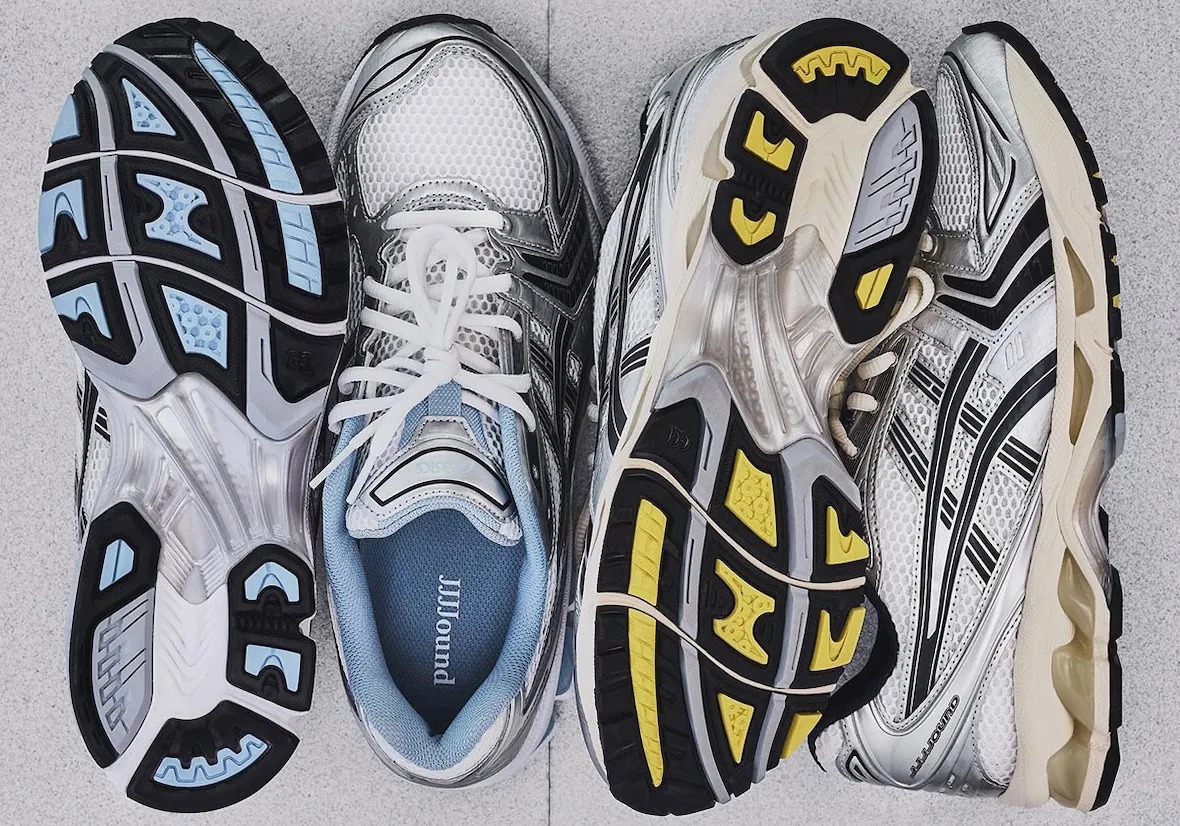
If Kiko Kostadinov opened the door, Montreal-based design studio JJJJound kicked it wide open. The 2022 collaboration between JJJJound and Asics on the Gel-Kayano 14 can arguably be referenced as the true starting point of the sportstyle takeover, spawning considerable demand not just for the Kayano 14 but for mesh runners and the genre at large.

JJJJound, founded by Justin R. Saunders, built its reputation on discerning taste and minimalist aesthetics. The studio's approach strips away excess, focusing on quality materials, perfect proportions, and refined color palettes. When applied to the Gel-Kayano 14, this philosophy resulted in something special.

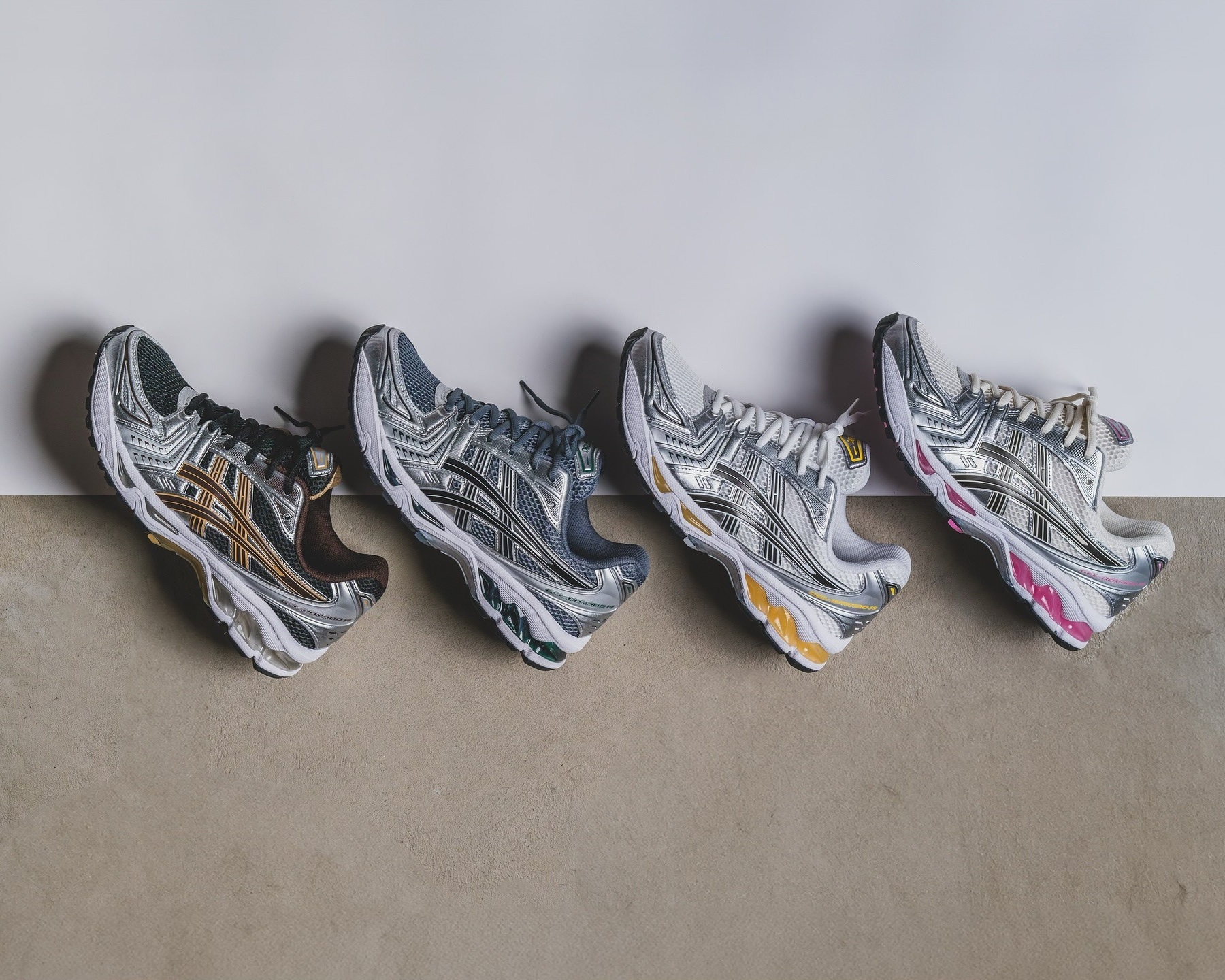
The initial JJJJound x Asics Gel-Kayano 14 collaboration, released in August 2022, came in two colorways—one with white detailing, one with black—both centered around a white mesh base with metallic silver overlays. What made these special wasn't radical redesign but rather restraint. JJJJound refined rather than reinvented, using premium materials and subtle co-branding (a discreet JJJJound wordmark on the lateral heel) to create versions that felt elevated and sophisticated.

Priced at $180, the collaboration sold out almost instantly and commanded significant premiums on the secondary market, with some pairs reaching over $700. The fashion world took notice. Here was proof that the Gel-Kayano 14 could transcend its athletic origins and appeal to the same consumers who coveted minimalist designs from brands like Common Projects or Margiela.

JJJJound has since returned to the Gel-Kayano 14 multiple times, including a highly anticipated third collaboration in June 2025 featuring White/Blue and White/Navy colorways. Each release continues to validate the model's fashion credentials while introducing it to new audiences.


Other Key Partnerships

The JJJJound success opened the floodgates for other collaborations that further cemented the Gel-Kayano 14's status as a collaborative canvas:

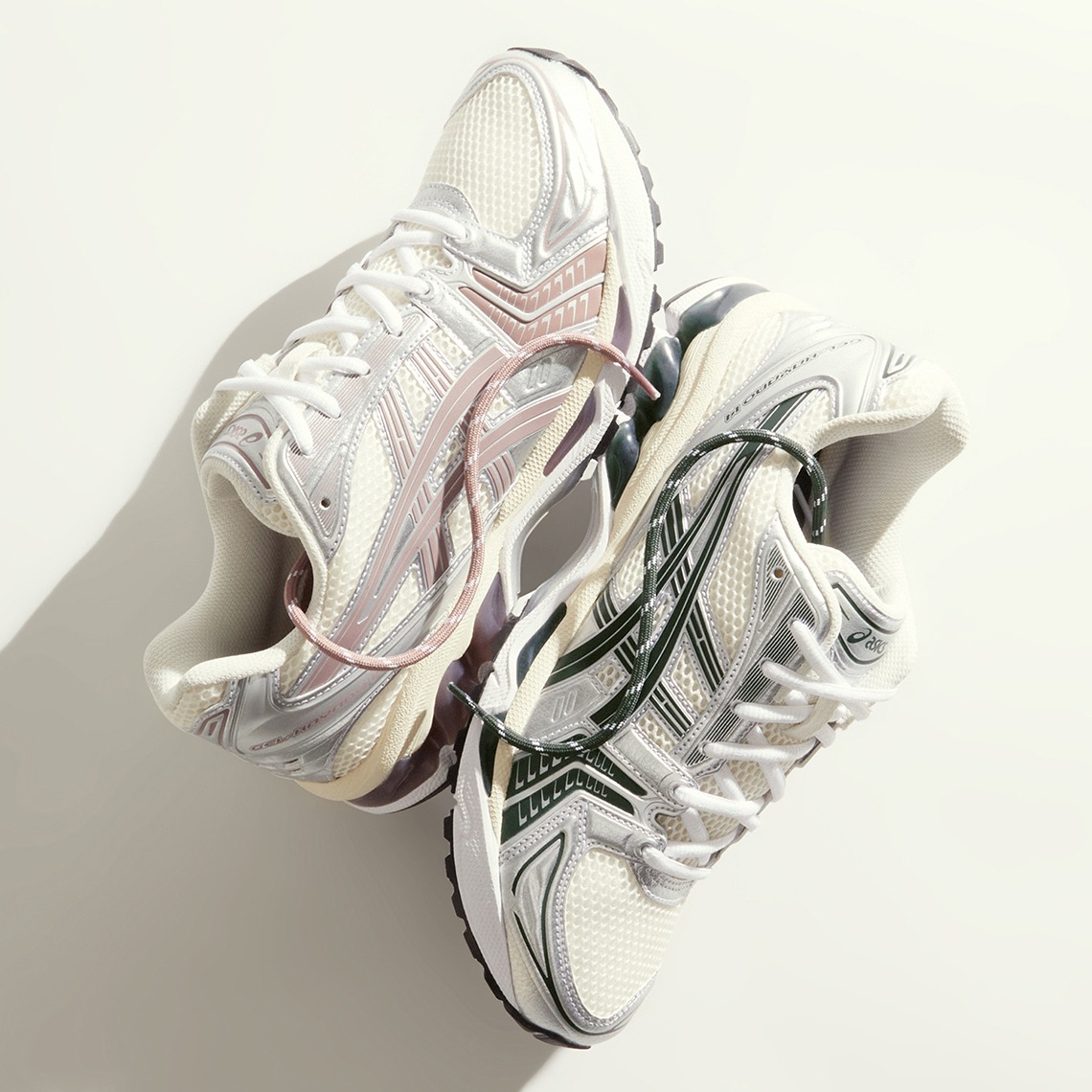
Kith brought Ronnie Fieg's signature touch with the "Vintage Tech 2023" pack, releasing the Kayano 14 in Cream/Antler and Cream/Scarab colorways in June 2023. These collaborations featured premium synthetic leather and mesh construction with earthy, sophisticated tones that appealed to Kith's fashion-conscious customer base.

Atmos, the legendary Japanese sneaker boutique, contributed exclusive colorways that honored the shoe's technical running heritage while embracing contemporary streetwear aesthetics.

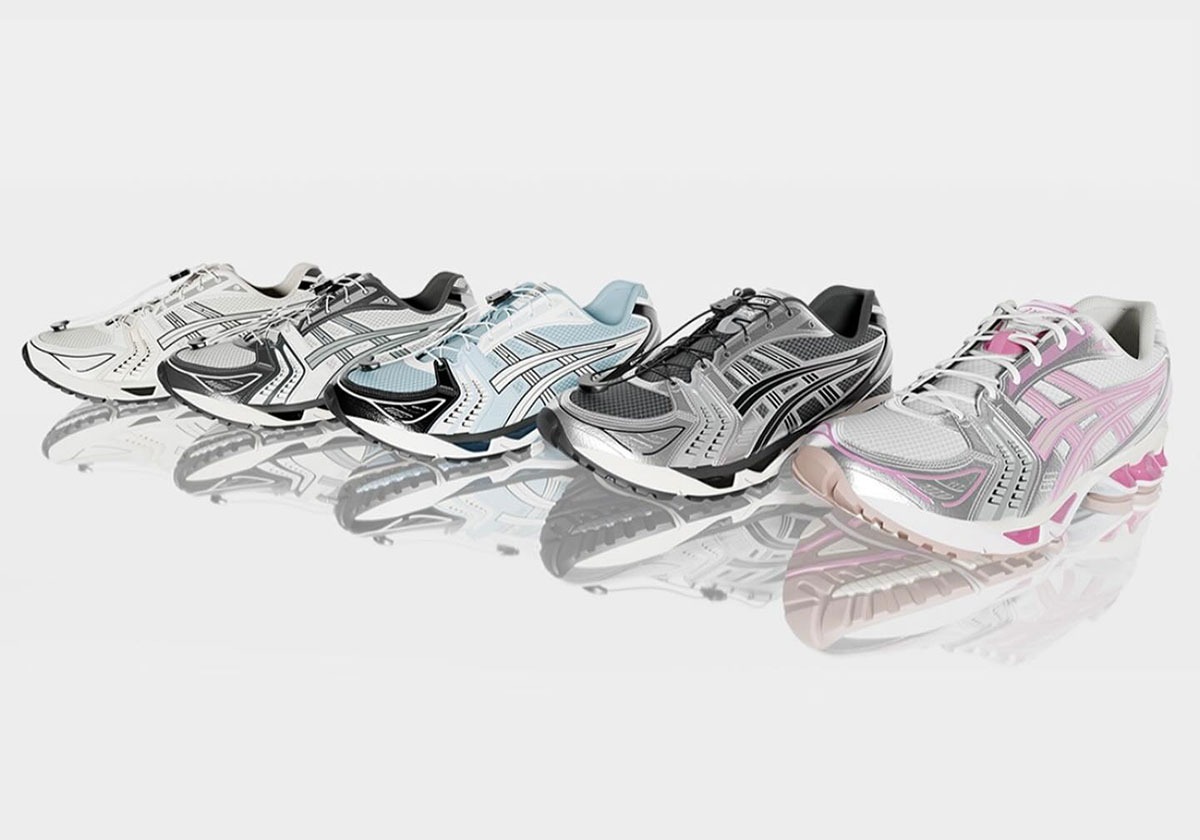
FACETASM, the Tokyo-based streetwear brand, recently previewed bright, multi-colored versions that push the model in more experimental directions, showing the Kayano 14's versatility as a collaborative platform.

These partnerships accomplished something crucial: they demonstrated that the Gel-Kayano 14 could work across different aesthetic approaches, from JJJJound's minimalism to Kith's refined streetwear to FACETASM's bold experimentation. The model wasn't locked into a single interpretation—it was a chameleon that adapted while maintaining its essential character.


The Gel-Kayano 14 in the Modern Wardrobe

By 2023, the Gel-Kayano 14 had fully crossed over from running track to fashion runway. But why did it resonate so strongly? The answer lies in how perfectly it aligns with multiple contemporary trends:

Comfort as Non-Negotiable: Post-pandemic fashion has embraced comfort as essential rather than optional. The Gel-Kayano 14, with its genuine GEL cushioning technology and supportive structure, delivers all-day comfort that looks good rather than comfort that apologizes for itself. People want shoes they can actually wear for hours, and the Kayano 14 delivers without sacrificing style.

Versatility Across Contexts: The Gel-Kayano 14 exists in a sweet spot where it can be dressed up or down. Pair it with baggy jeans and a vintage tee for classic streetwear, or wear it with tailored trousers and a crisp shirt for a high-low mix that defines contemporary menswear. Fashion-forward women have embraced it with everything from athletic sets to flowing dresses, creating unexpected juxtapositions that feel fresh and modern.

The "Dad Shoe" and Gorpcore Movements: The chunky, technical aesthetic that once seemed unfashionable has become a cornerstone of contemporary style. The Gel-Kayano 14 fits perfectly into both the "dad shoe" trend (oversized, nostalgic, and unpretentious) and gorpcore (technical outdoor aesthetics applied to urban contexts). Its legitimate performance heritage gives it authenticity that pure fashion sneakers can't match.

Y2K Nostalgia: For millennials, the Gel-Kayano 14 evokes memories of early internet culture, flip phones, and the optimistic futurism of the late 2000s. For Gen Z, it represents a fascinating period they're discovering through fashion. The metallic details, technical mesh, and chunky proportions are all quintessentially Y2K, making the shoe a perfect vehicle for exploring that aesthetic.

Authenticity Matters: In an era of fashion fatigue where consumers are skeptical of hype and marketing, the Gel-Kayano 14's genuine performance credentials give it credibility. This isn't a fashion brand trying to make a runner—it's a running shoe that fashion discovered. That authenticity resonates deeply with consumers who want substance behind style.

Social media has amplified the Gel-Kayano 14's reach exponentially. European fashion influencers were early adopters, styling the shoes with loose sweatsuit sets and oversized silhouettes that captured contemporary casual luxury. Street style photographers began documenting the Kayano 14 at fashion weeks worldwide. The shoe became a signal—wearing it demonstrated that you understood the convergence of performance, heritage, and contemporary fashion.


Conclusion: A Legacy Cemented

The journey of the Asics Gel-Kayano 14 is a remarkable story of resurrection and reinvention. From its beginnings as a high-tech stability runner designed by Hidenori Yamashita in 2008, to years of dormancy in the archives, to its strategic revival via Kiko Kostadinov's influence, to its explosive mainstream success through JJJJound and other collaborations, and finally to its current status as a global fashion staple—every chapter of this story reveals something about how fashion works.

The Gel-Kayano 14 proves that authentic design never truly goes out of style; it simply waits for culture to catch up. Yamashita's "flash" concept created a shoe that was simultaneously of its moment and ahead of its time. The technical innovations that made it an award-winning runner became the aesthetic elements that made it a fashion icon.

Today, the Gel-Kayano 14 exists in a rare space: it's genuinely comfortable enough for all-day wear, historically significant enough to satisfy sneaker collectors, fashionable enough for street style photographers, and versatile enough to work with almost any contemporary wardrobe. Whether you're a long-time runner who remembers the original release, a fashion enthusiast who discovered it through JJJJound, or simply someone looking for a great-looking, comfortable sneaker, the Gel-Kayano 14 delivers.

As Asics continues to release new colorways and collaborations—from tonal grey schemes to metallic pastels to bold experimental designs—the Gel-Kayano 14 shows no signs of fading. If anything, its popularity continues to grow as more people discover what the running community knew back in 2008: this is an exceptionally well-designed shoe.

The Gel-Kayano 14's evolution from track to trend is complete. But rather than being the end of the story, it feels like the beginning of a new chapter—one where the lines between performance and fashion, between function and style, have blurred completely. And in that space, the Gel-Kayano 14 reigns supreme.

Related Reading: Want to know if the Gel-Kayano 14 will fit your feet? Check out our Ultimate Asics Gel-Kayano 14 Sizing and Fit Guide for comprehensive sizing recommendations for every foot type.


The Ultimate Asics Gel-Kayano 14 Sizing and Fit Guide
17 October 2025

The Ultimate Asics Gel-Kayano 14 Sizing and Fit Guide

  • Posted By : Charly

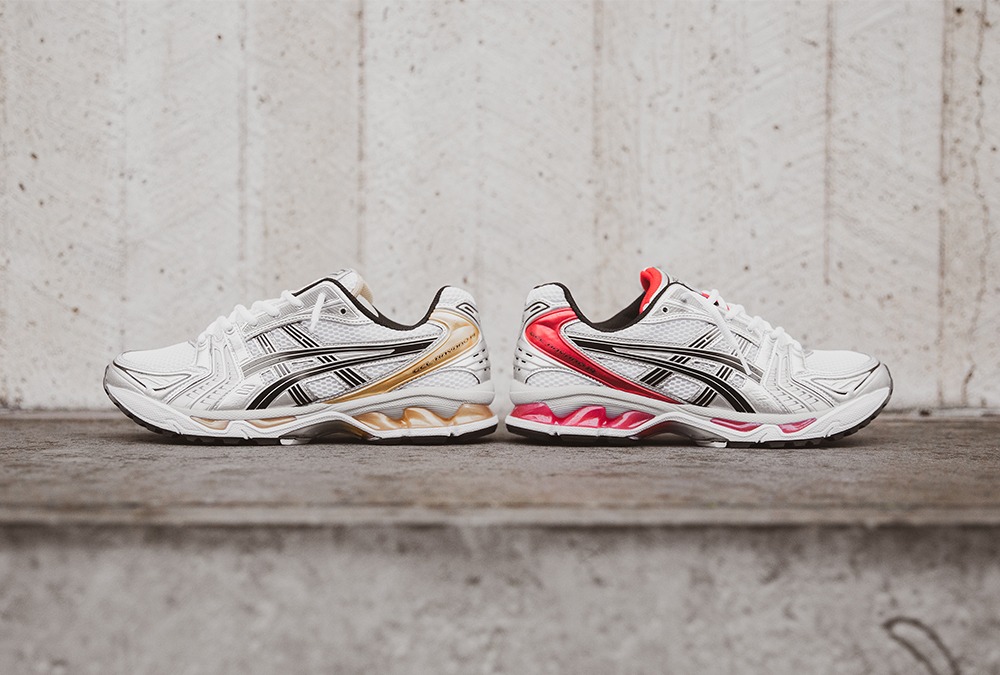
The Asics Gel-Kayano 14 has become one of the most sought-after sneakers in the current Y2K and retro-runner revival. Originally released in 2008 as a high-performance stability running shoe, this model has transcended its athletic origins to become a streetwear staple. But with the surge in popularity comes a common question: how does the Asics Gel-Kayano 14 actually fit?

Buying sneakers online can be risky if you're unsure about sizing, especially when you're investing in a pair that's consistently sold out. Here's what you need to know before hitting that checkout button.

Quick Answer: Generally, the Asics Gel-Kayano 14 fits true to size (TTS). For most people, ordering your standard sneaker size will provide a perfect, comfortable fit. However, if you have exceptionally wide feet, you may want to consider going half a size up for optimal comfort.

How Does the Asics Gel-Kayano 14 Fit ? (The Deep Dive)

The Gel-Kayano 14 features a distinctive construction that influences its fit. Understanding the shoe's design will help you make the right sizing decision.

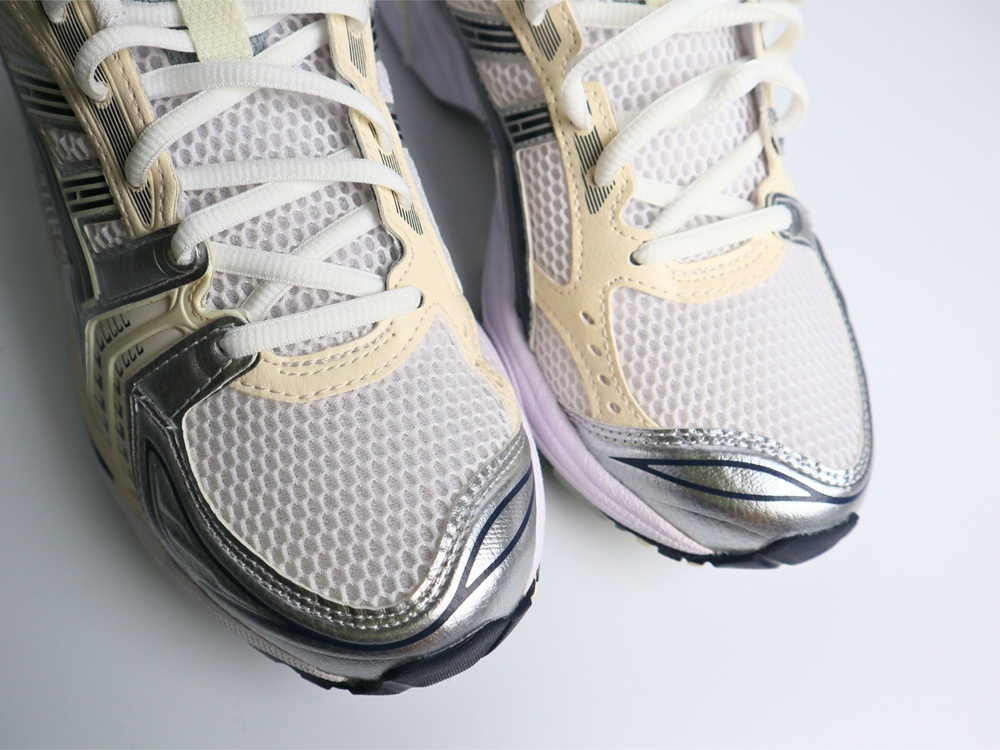
The upper combines open mesh panels with synthetic overlays, creating a balanced structure. The mesh provides breathability and a lighter feel, while the synthetic overlays add structure and support around the midfoot and heel. Unlike full knit or Primeknit constructions that stretch significantly over time, these synthetic overlays maintain their shape, meaning the shoe won't expand much with wear. What you get on day one is largely what you'll have months later.

The toe box is notably wider than average, measuring approximately 100.3mm at its widest point—roomier than many competing models. This generous space means your toes have plenty of room to move and wiggle, which becomes especially appreciated during extended wear when feet naturally swell. The mesh at the toe box doesn't create excessive pressure, providing adequate vertical space as well.

The midfoot and heel area offer a more structured, secure fit thanks to the external heel clutch system. This was intentionally designed for the shoe's original purpose as a stability runner, providing targeted support for runners who overpronate. For lifestyle wear, this translates to excellent heel lockdown when properly laced.

Sizing by Foot Type

Not all feet are created equal, and the Gel-Kayano 14's fit varies depending on your foot shape. Here's what to expect based on your foot type.

For Regular/Narrow Feet

If you have standard or narrow feet, stick confidently to your true size. The Gel-Kayano 14 will provide an ideal fit without feeling sloppy or overly roomy.

The lacing system on the Kayano 14 offers excellent adjustability. If the fit feels slightly generous in the midfoot, you can tighten the laces to achieve a more secure lockdown. The eyelets and lacing configuration allow you to customize the fit to your preference, ensuring your foot doesn't slide around during wear.

Many reviewers with narrow feet specifically praise the Kayano 14's heel support, noting that unlike some wider-fitting shoes, the heel doesn't slip during walking.

For Wide Feet

This is one of the most common sizing questions, and there's good news for those with wider feet: Asics as a brand is generally more accommodating to wide feet than brands like Nike.

The Gel-Kayano 14's naturally wider toe box means many people with wide feet can comfortably wear their true size. However, here's where personal preference matters. If you prefer a slightly snug fit and don't mind your foot utilizing the full width of the shoe, true to size should work fine.

That said, if you have truly wide feet or have experienced pinky toe pinching in other shoes, going half a size up is the safer bet. This provides additional breathing room in the toe box and prevents any discomfort during all-day wear. Multiple customer reviews specifically mention sizing up half a size for width comfort, noting this eliminates any tightness without making the shoe feel too long.

Comfort and On-Foot Feel: Are They Good for All-Day Wear?

Beyond dimensions, let's talk about how the Gel-Kayano 14 actually feels when you're wearing them for hours.

The Kayano 14's origins as a stability running shoe means it comes equipped with features that translate beautifully to lifestyle wear. The shoe offers good arch support, making it suitable even for those with flat feet. The structured midsole provides stability without feeling overly rigid—you're not walking on a board, but you're also not sinking into pillowy softness.

The highlight is Asics' proprietary GEL cushioning technology, strategically placed in both the heel and forefoot. This shock-absorbing system was what made the original Kayano 14 an award-winning running shoe back in 2008. While this retro version uses the older GEL technology rather than modern advancements found in current running models, it still delivers impressive impact protection and comfort.

The result? These are excellent sneakers for all-day walking, standing, and general lifestyle activities. Multiple wearers report walking for hours around cities without foot fatigue. The lightweight construction (approximately 335-368g depending on size and colorway) prevents your feet from feeling weighed down, while the breathable mesh keeps things comfortable even in warmer conditions.

One note: While they're comfortable, the Gel-Kayano 14 isn't the most durable sneaker on the market. These are best treated as lifestyle shoes rather than heavy-duty beaters. If you're looking for a pair to wear until they fall apart, you might want to consider the Asics Gel-1130 instead.

Asics Gel-Kayano 14 Sizing Comparison

One of the best ways to determine your size is by comparing the Kayano 14 to other popular sneakers you already own. Here's how they stack up against some of the most common models.

Asics Gel-Kayano 14 vs. Nike (Air Force 1 / Dunk)

Nike's most popular lifestyle models—particularly the Air Force 1—are notorious for running slightly large and having a roomier fit overall.

Sizing Recommendation: If you typically wear a US 10 in Air Force 1s and find them comfortable, you might want to go with a US 10 or even 10.5 in the Gel-Kayano 14. The Kayano runs more true to size than AF1s, which many people size down in. If you've sized down in your Air Force 1s, definitely go back to your true size for the Kayano 14.

Nike Dunks follow a similar pattern, though they're not quite as roomy as AF1s. If you wear your true size in Dunks comfortably, stick with that same size in the Kayano 14.

Asics Gel-Kayano 14 vs. New Balance (530 / 2002R / 990)

This is an important comparison since the New Balance retro runner audience and the Gel-Kayano 14 crowd overlap significantly. Both brands are riding the same Y2K nostalgia wave.

Sizing Recommendation: Generally, the Gel-Kayano 14 and New Balance retro runners fit very similarly. If you wear a US 9 in the New Balance 530 or 2002R, a US 9 in the Gel-Kayano 14 should work perfectly.

Both Asics and New Balance tend to be more accommodating to wider feet than Nike, and both generally run true to size. The comfort profiles are also comparable—both offer that dad shoe cushioning without being overly plush.

One minor note: Some New Balance models like the 990 series are available in multiple width options (D, 2E, 4E), which Asics typically doesn't offer. If you regularly buy wide-width New Balance models, you might want to size up half a size in the Kayano 14 for similar comfort.

Asics Gel-Kayano 14 vs. Other Asics (Gel-1130 / Gel-NYC)

Great news: Asics sizing is remarkably consistent across their sportswear lifestyle line.

Sizing Recommendation: If you own the Gel-1130, GT-2160, or Gel-NYC and they fit well, order the exact same size in the Gel-Kayano 14. The fit philosophy and construction are very similar across these models.

This consistency makes Asics an easier brand to shop online compared to Nike, where sizing can vary wildly between different silhouettes. Once you know your Asics size, you can confidently order most of their retro runners without sizing anxiety.

Men's and Women's Sizing Conversion

The Gel-Kayano 14 is popular across all genders, and it's common for people to purchase colorways designated for the "opposite" gender, especially when certain colors are only released in men's or women's sizing.

Standard Conversion Rule: There is typically a 1.5 size difference in US sizing between men's and women's shoes.

Example: A Men's US 7 is roughly equivalent to a Women's US 8.5.

However, here's a pro tip that works across all brands and eliminates conversion confusion: Always check the centimeter (cm) or EU sizing on a shoe you currently own and love. This measurement is universal and doesn't change based on gender designations.

For instance, if your favorite sneaker measures 25.5cm, look for the Gel-Kayano 14 in whatever size corresponds to 25.5cm, whether it's listed under men's or women's sizing. This method is the most accurate way to ensure perfect fit when buying across gender categories or even across different brands.

Most Asics shoes have the cm measurement printed on the size tag inside the tongue or on the box label.

Frequently Asked Questions (FAQ)

Q: Do Asics Gel-Kayano 14 stretch out over time?

A: Not significantly. Due to the synthetic overlays that provide structure to the shoe, the Kayano 14 maintains its shape well over time. Unlike full knit or canvas shoes that might stretch and mold to your foot, the Kayano 14 stays fairly true to its original fit. Don't buy them tight expecting them to stretch out—they won't give you much relief.

Q: Are Asics Gel-Kayano 14 suitable for flat feet?

A: Yes, they're actually a great option for flat feet. The Gel-Kayano 14's origins as a stability running shoe mean it offers good arch support and structure. While it's not a rigid motion-control shoe, it provides more support than your average lifestyle sneaker. Many reviewers with flat feet specifically mention the Kayano 14 as being comfortable for all-day wear without custom insoles (though orthotics can easily be added by removing the stock insole).

Q: Can I use the Gel-Kayano 14 for running?

A: While you technically can, it's not recommended for serious running. The current Gel-Kayano 14 is a retro re-release designed for lifestyle wear. It uses the original 2008 technology, which is now nearly 17 years old. Running shoe technology has evolved significantly since then.

If you're a dedicated runner looking for the Kayano experience with modern performance, consider the current Gel-Kayano 30 or 31, which feature updated cushioning, improved stability features, and better durability for high-mileage training. Keep your Gel-Kayano 14s for style—they'll serve you much better as everyday sneakers than running shoes.

Q: How does the Gel-Kayano 14 compare to the original running model from 2008?

A: The re-released lifestyle version features modernized upper materials and a fit adjusted for urban casual wear, but it retains the iconic design elements and GEL technology placement. The overall silhouette and aesthetic remain faithful to the original, which is why it resonates so strongly with the Y2K nostalgia trend.

Q: Are the Gel-Kayano 14 worth the price?

A: At retail ($140-$160), they're positioned as a premium lifestyle sneaker. The comfort level, unique aesthetic, and versatility justify the price for most buyers. However, they're not on the more affordable end of the spectrum. If you're looking for similar vibes at a lower price point, consider the Asics Gel-1130 or Nike P-6000, though they each have slightly different aesthetics and don't quite capture the same futuristic tech-runner look.

Conclusion & Where to Buy

To sum up the essential sizing advice for the Asics Gel-Kayano 14:

Go true to size if you have regular or narrow feet. The shoe fits as expected and offers excellent adjustability through the lacing system.

Consider going half a size up if you have wide feet or prefer a roomier toe box. The extra space prevents any pinching and maintains all-day comfort.

Stick with your usual Asics size if you already own other models from the brand—sizing is very consistent across their lifestyle line.

The Gel-Kayano 14 represents a perfect intersection of 2000s nostalgia, genuine comfort technology, and contemporary streetwear appeal. Whether you're a long-time Asics fan or new to the brand thanks to the retro runner trend, understanding the fit ensures you'll love your pair from the first wear.

Ready to secure your pair? Find all the colorways available and the major retailers where to buy them on our dedicated page.

Popular colorways like the JJJJound collaboration command premium prices on the secondary market, while newer general releases typically stay close to retail. With the right size locked in, you're ready to join the retro runner revolution—just don't be surprised when you find yourself reaching for your Kayano 14s every single day.

The Nike Air Max 95 : A Revolution in Design and Global Icon Status
25 June 2025

The Nike Air Max 95 : A Revolution in Design and Global Icon Status

  • Posted By : Charly

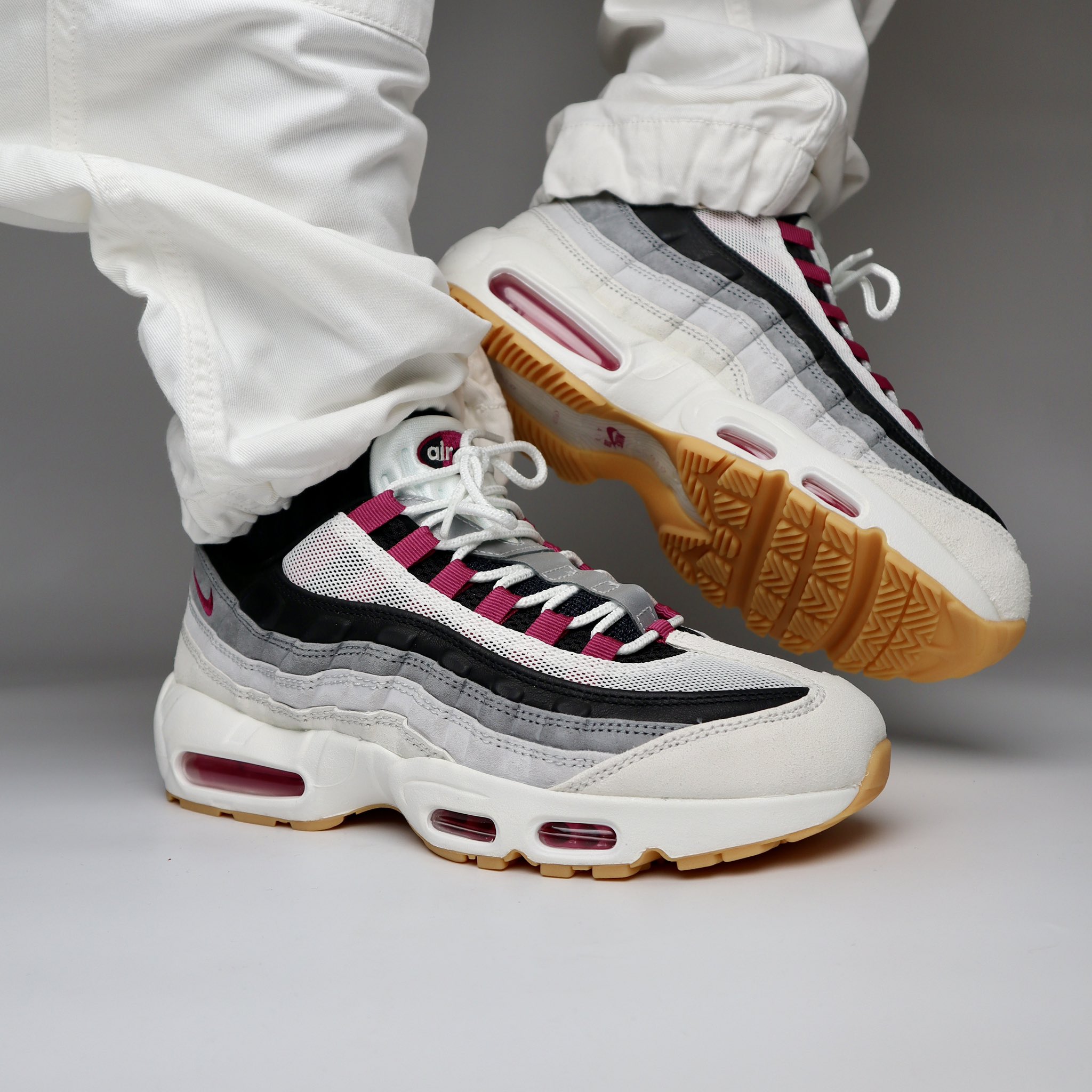
When the Nike Air Max 95 first dropped in 1995, it didn’t just turn heads — it disrupted sneaker design.
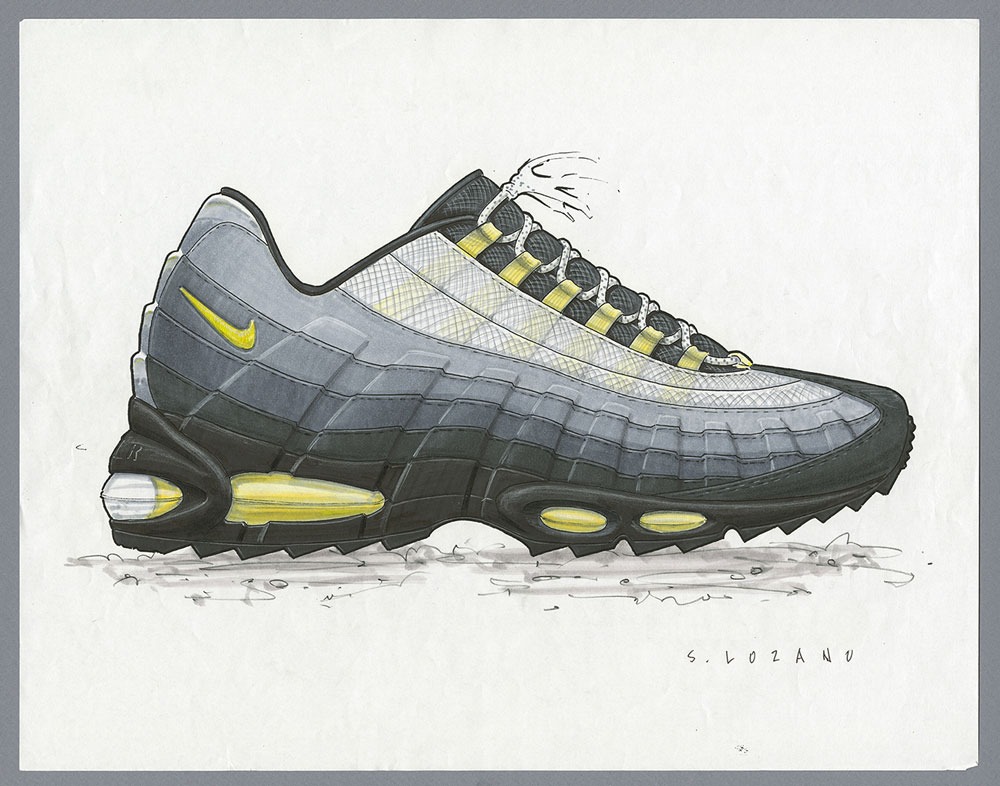
Created by Sergio Lozano, a designer who had worked on Nike’s ACG line, the silhouette broke away from traditional Air Max aesthetics.
Inspired by human anatomy and natural erosion, the sneaker’s layered upper mimics muscle fibers, while the spine-like lacing system reinforces the concept of a body in motion.

A Design That Pushed Boundaries

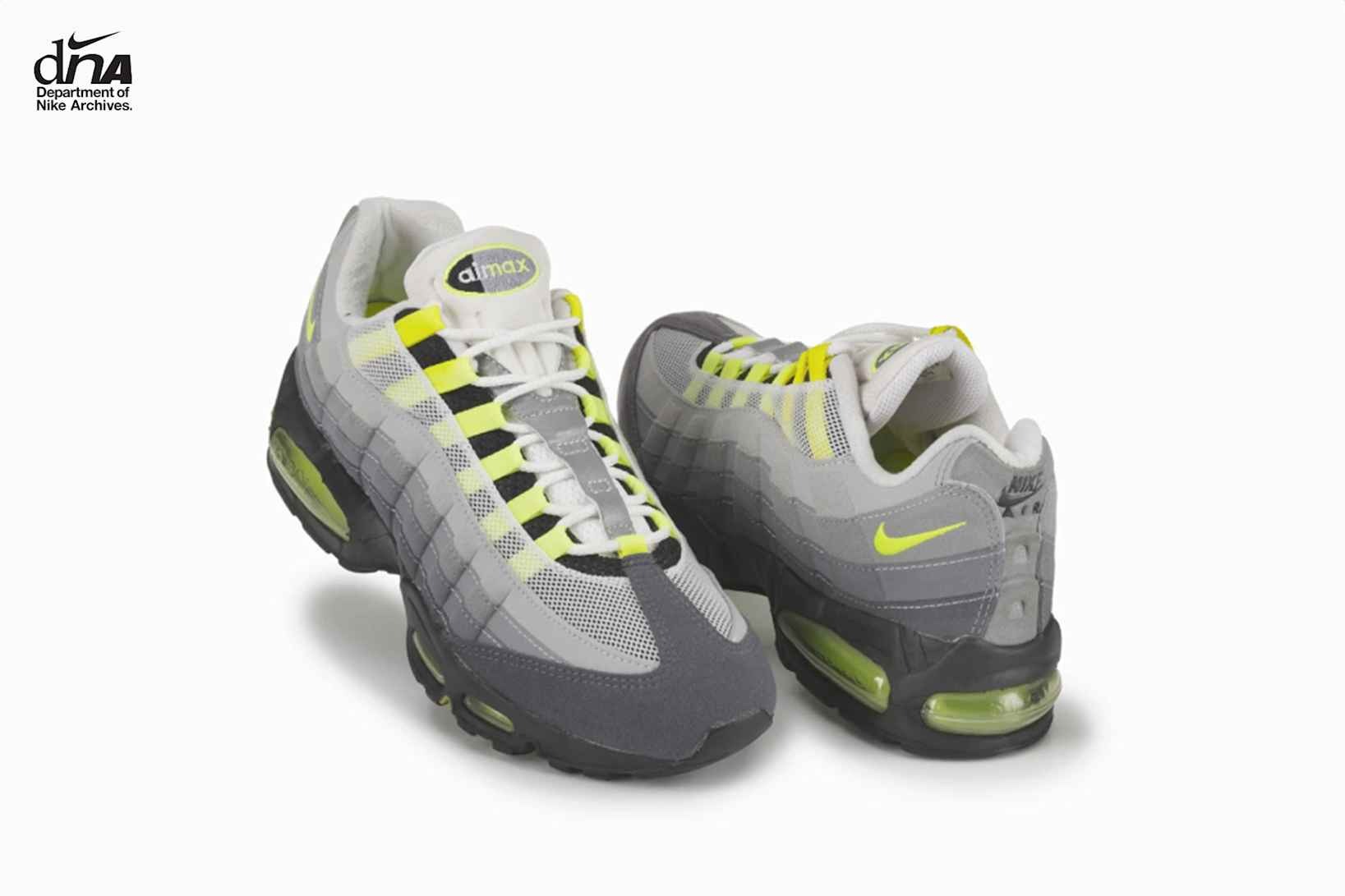
The Air Max 95 was revolutionary for two reasons. First, it introduced forefoot visible Air units — a bold innovation that offered both visual impact and improved cushioning.
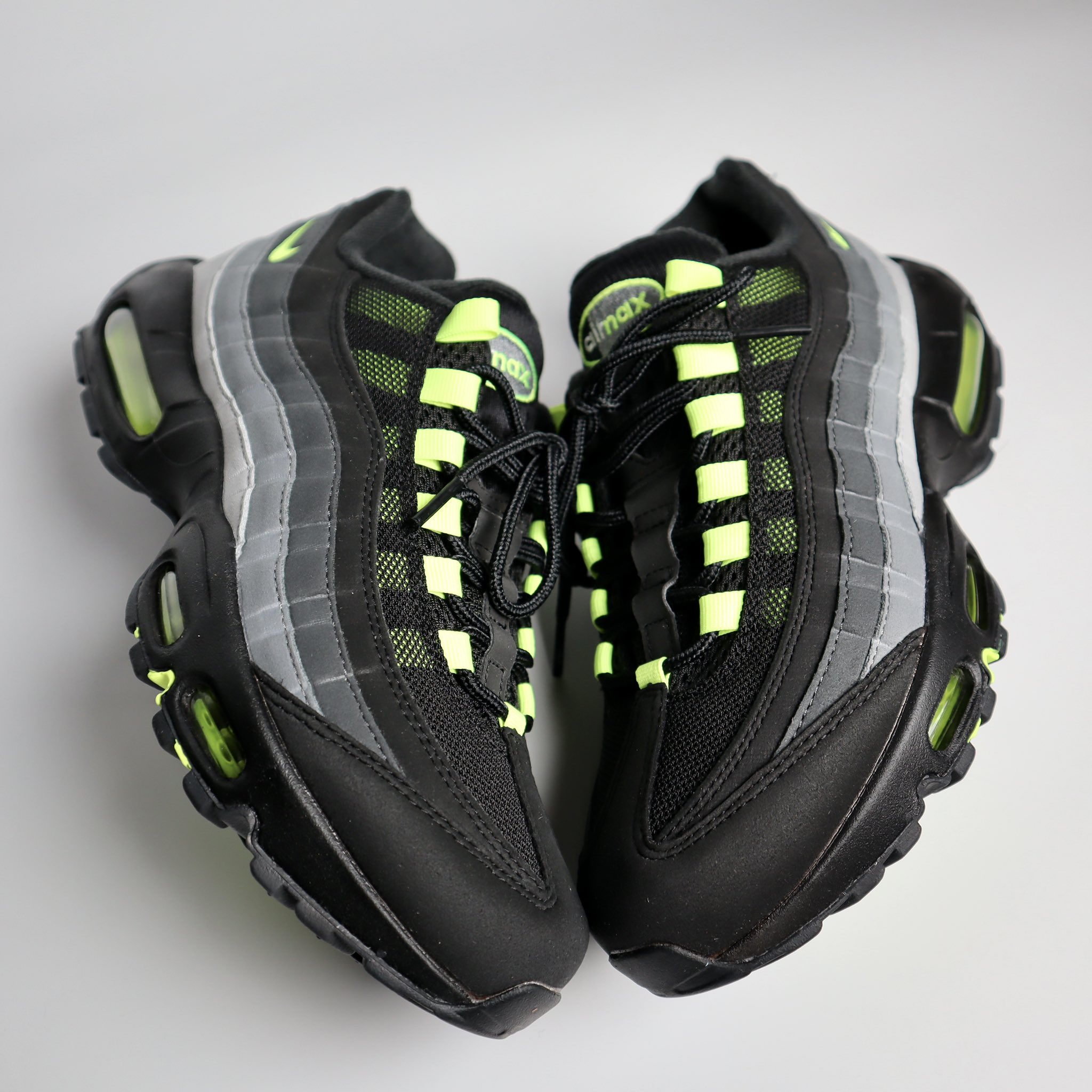
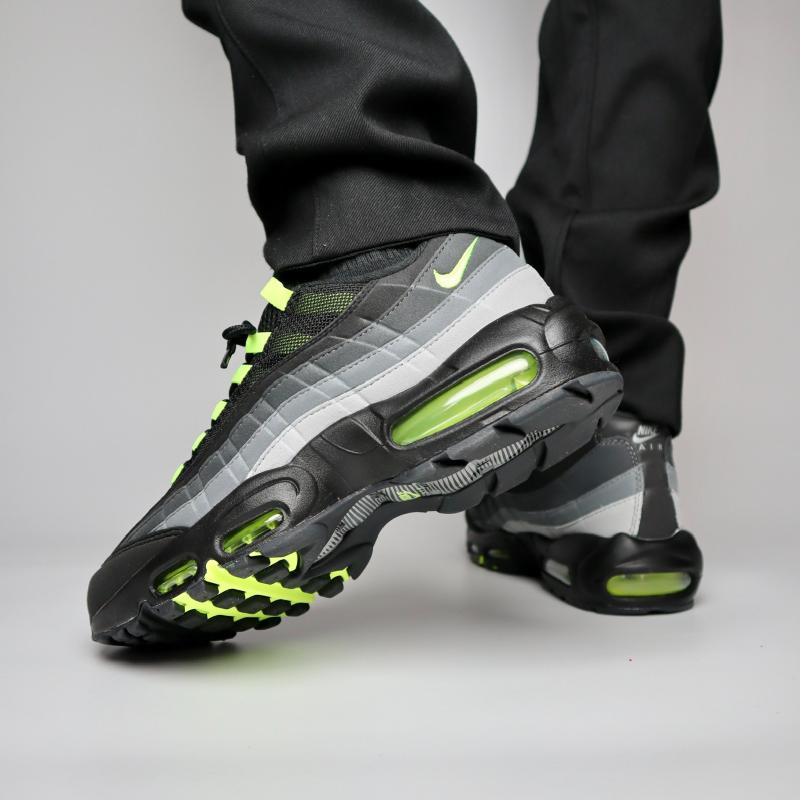
Second, its debut colorway, known as the “Neon,” paired gradient greys with volt accents, a striking palette that emphasized the shoe’s anatomical lines and gave it instant street credibility.
Lozano’s concept wasn’t just visual. He saw the sneaker as something that emerged from nature, like sedimentary rock eroding over time.
That’s why the midsole features a sculpted wave pattern — a direct reference to the Grand Canyon and the wear of natural elements.


Global Appeal, Local Love

While the Air Max 95 gained traction in the U.S. upon release, it achieved cult status in very specific markets.
In Japan, the shoe became a symbol of style and rebellion, reselling at sky-high prices and sparking sneaker culture as we know it today.
In Italy, the design resonated with football ultras and streetwear enthusiasts, cementing its place in terrace fashion.

But perhaps nowhere did the Air Max 95 become more culturally rooted than in the UK — especially in cities like Liverpool and Manchester.
There, it earned the nickname “110,” referring to its original retail price of £110.
The name stuck, and the shoe became synonymous with the UK’s grime and roadman culture, often worn with tracksuits and standing out as a status symbol.


30 Years Later: The Legacy Continues

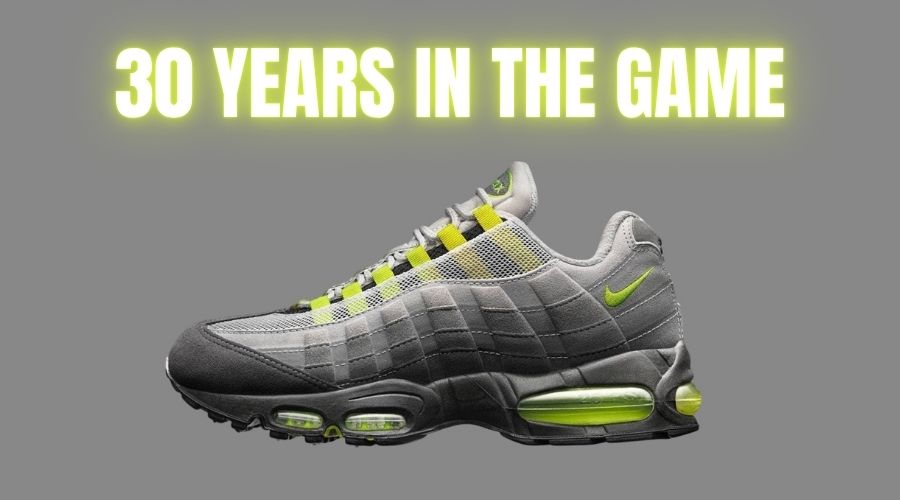
Now in 2025, the Nike Air Max 95 celebrates its 30th anniversary. Nike has marked the occasion by reintroducing the silhouette with special editions and retros.
One standout release is the Nike Air Max 95 OG Big Bubble QS 'Neon' 2025,' a nod to early prototypes that featured oversized Air units.
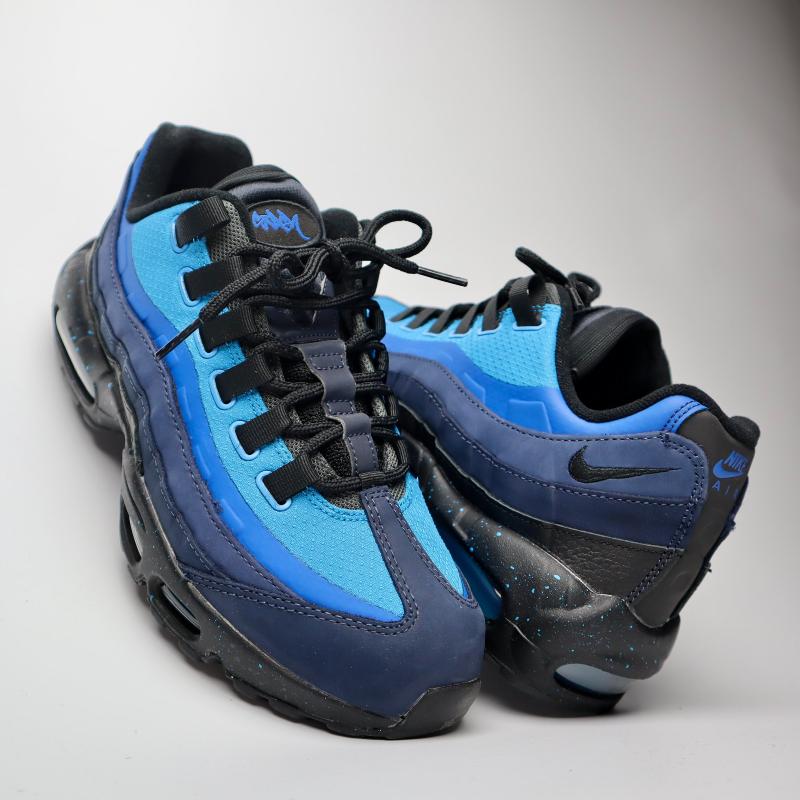
Collaborations like the one with Stash and the luxurious violet pair from A Ma Maniére further confirm the model’s continued relevance.

As the sneaker market evolves, the Air Max 95 remains a symbol of bold innovation — both technical and cultural.
Its legacy is written not just in design history, but in the streets of Tokyo, Milan, Manchester, and beyond.

Discover the latest Nike Air Max 95 models and where to buy them on our dedicated page.

The rise of Asics : Why is Asics so popular right now ?
17 March 2025

The rise of Asics : Why is Asics so popular right now ?

  • Posted By : Charly
Since its foundation, Asics has established itself as a benchmark in the world of running, thanks to high-performance footwear designed for athletes.
Although the Japanese brand has long been associated with avid runners, it has also developed its Asics Sportstyle range over time, distinguished by its blend of performance and trendy design.
One of the defining moments for Asics over the past two decades was the decisive turning point in the early 2010s, when influential figures such as Ronnie Fieg (and his Kith boutique) brought iconic models such as the Gel Lyte III and V to the fore via a quality, multi-year partnership.
This collaboration breathed new life into the brand's “suede runner” heritage, with numerous limited and ultra-limited editions that sneaker fans snapped up, sometimes selling for 3 or 4 times the price on the secondary market.

It was only recently, in the summer of 2022, that Asics experienced a spectacular boom that few had seen coming.
Driven by strategic collaborations with JJJJoundKiko Kostadinov, Zack Bia & more, the brand has conquered the younger generation and responded to a new type of demand.
Let's dive in.


New customers & New Expectations

Since the sneaker and social networking boom of the 2010s, generations have changed and so have consumers. Add to this the fact that fashions have changed, with a resurgence of Y2K trends, baggy pants and looser tops, and it's only logical that sneaker demand has been heavily impacted. Aesthetics, comfort and modernity have taken the lead over what consumers want and expect. In search of a fresh new look and a new identity in tune with the times, new generations don't have the same preoccupations as sneaker fans have had in recent years. Origin, inspiration and storytelling are not necessarily of the same interest to new buyers. This is where the Metallic Runner era has found its momentum.
These pairs, characterized by large mesh parts on the base with synthetic overlays often in metallic colors, have begun to dominate the market.
Among the most popular models were the Asics Gel-1130, the Asics GT-2160, the Asics Gel-Kayano 14 and the Asics Gel-NYC.


Modern distribution and rarely seen organic growth

New times, new codes, the impact of social networks like TikTok, has played a major role in amplifying the visibility of these models, creating trends and demand among a young public, attracted by new and modern designs.
Where other brands usually drive the market with limited series and ever crazier collaborations, Asics has found itself with demand coming mainly from inline releases. An inline release refers to a sneaker model that is permanently available in stores, with no specific release date or limited production. These models, often called “general release” or “GR”, are not subject to limited quantities and are regularly restocked. They are generally classic models, accessible and permanently integrated into the brands' permanent collections.
This is a very rare phenomenon in the sneaker market, and is the ultimate dream of every brand.
The new generations' addiction to instantaneity and the accessibility of a pair of inline sneakers make buying a smooth and easy process for them, as they only have to walk through the doors of a boutique to get their hands on a fashionable pair of Asics.
That's not to say that Asics hasn't done some collaborations, such as Cécile's collection or the successful Hidden NY, but that's not what's important. 


Price to Value reconciliation

At the same time, Asics has been able to offer excellent value for money, setting itself apart from the competition by positioning certain models at €100, such as the Gel-1130, or €150 for the Gel-NYC, where other brands have central prices hovering around €180. In the wake of the COVID-19 crisis and global inflation, sneaker prices have risen significantly on many top-selling models, such as Nike's AF1, AJ4 and Dunks, or New Balance's 9060 and 550. Asics' ability to keep prices competitive remains a clear advantage for the brand to this day.


Decline of other brands leaving room for growth

Finally, the sneaker market has seen a relatively difficult end of cycle for the brands that were at the top of the rankings. The end of the collaboration between Ye (formerly Kanye West) and Adidas, as well as the delayed launch of the Fear of God collection, left a void for the brand with the 3 stripes. This is despite the fact that the Samba and the rest of the Terrace pairs have picked up the torch. At Nike, the lack of innovation and over-production of successful models (dunkAJ1AJ4 in particular) created a real decline in demand. Their DTC strategy and the demise of the late Virgil Abloh only accentuated this phenomenon.
New Balance stayed the course with strong collaborations (Joe Fresh Goods, Salehe Bembury) and models like the 9060 or 1906. However, models such as the 550 or 2002R ran out of steam. New Balance tried to adapt quickly with new silhouettes such as the 740 or NB 1000.
In this context, Asics was able to take advantage of part of the available market and of buyers open to new offers, which was rarely the case in previous years.

What's next for Asics ?

What does the future hold for Asics? Will the brand succeed in maintaining its position, or is it in a cycle that will soon come to an end? Only time will tell.
However, it should be borne in mind that the Sportstyle range remains very small compared with the brand's overall figures. What's more, their CEO has made it clear that Asics aspires to remain a brand focused on performance and training.
It remains to be seen whether Asics will be able to balance its models and colors according to supply and demand. Release new silhouettes and bring them into the modern age.
Stay tuned and check out all the Asics releases on our dedicated page.

Nigel Sylvester x Air Jordan 4 Retro OG SP 'Brick by Brick' Review
12 March 2025

Nigel Sylvester x Air Jordan 4 Retro OG SP 'Brick by Brick' Review

  • Posted By : Charly

Introduction: A Sneaker Built on Dedication

The Nigel Sylvester x Air Jordan 4 Retro OG SP 'Brick by Brick' is one of the most exciting collaborations of the year. This sneaker not only highlights the BMX legend’s deep ties with Nike and Jordan Brand but also tells a compelling story of perseverance and craftsmanship.
Inspired by the streets of New York City and the concept of building greatness piece by piece, this Air Jordan 4 is a tribute to hard work and passion. From its exclusive storytelling to the high-profile launch, everything about this release cements its place as a must-have in sneaker culture.

The Story Behind 'Brick by Brick'

Nigel Sylvester, a professional BMX rider from Queens, NY, is known for his innovative approach to the sport and his keen eye for style. His latest collaboration with Jordan Brand is deeply rooted in his personal journey—one of resilience, skill, and ambition.
The phrase 'Brick by Brick' signifies the gradual building process of a dream, much like Nigel’s own rise in the BMX world.
Jordan Brand has emphasized this storytelling in the marketing campaign, where Nigel himself unboxed the sneaker, detailing the inspiration behind the design. Nike also hosted exclusive launch events in New York, bringing together sneakerheads and BMX enthusiasts to celebrate the release.
These in-person activations reinforced the sneaker’s connection to NYC and its street culture, making the drop even more meaningful. This is true even if such events are never easy to manage with a high level of enthusiasm, and can sometimes lead to unexpected misunderstandings.

Design & Materials: A Tribute to NYC

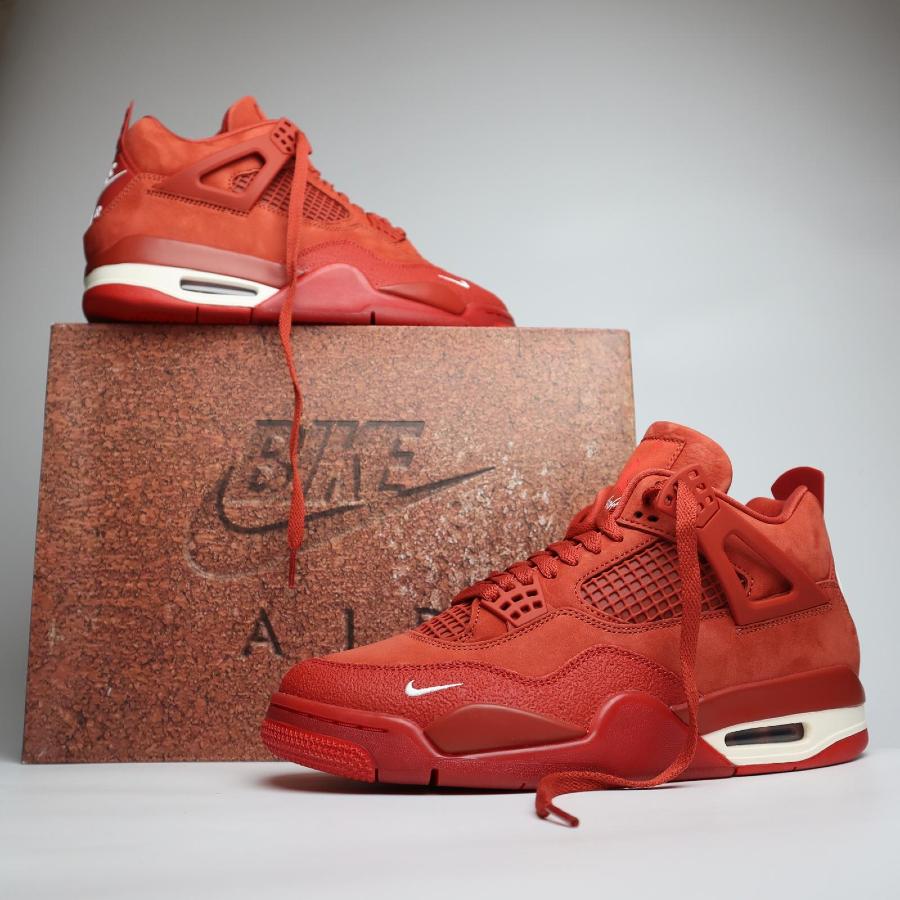
The Nigel Sylvester x Air Jordan 4 'Brick by Brick' features a bold yet refined color palette that pays homage to the city’s architecture. The sneaker comes in a premium Firewood Orange leather upper, representing the bricks of NYC buildings.
Accents of Cinnabar and Sail add depth to the design, while mesh panels and signature Air Jordan 4 detailing maintain the sneaker’s classic appeal.

Notable design elements include:

High-quality leather construction ensuring durability and a premium feel.
Aged midsole and outsole for a vintage aesthetic, reinforcing the ‘built over time’ theme.
Nike’s signature ‘Bike Air’ branding on the heel tab, a nod to Sylvester’s BMX legacy.
- Customized insole with a GO graphic representing taking action to reach your goal
- Mini swoosh on front tip
Reflective materials on the netting part of the shoe


This combination of materials and details results in a sneaker that is not only visually striking but also steeped in meaning.


Packaging & Special Features

Adding to its exclusivity, the 'Brick by Brick' Air Jordan 4 comes in a custom-designed box with the 'Bike Air' Logo on it, further reinforcing its storytelling. The packaging mimics brick patterns with a customized graphic design and a rough texture, aligning with the sneaker’s central theme of resilience and progress.
Inside, the two shoes are individually wrapped and bagged, then bound by a blue velcro tape just like the brick pallets are packaged.


Comfort & Fit

Like other Air Jordan 4 models, this sneaker offers a true-to-size fit, with a slightly roomy toe box for added comfort.
The Air-Sole cushioning ensures impact absorption, making it suitable for all-day wear. The padded collar and sturdy leather upper provide both support and structure, making it a practical sneaker for everyday use.
The comfort seems to be a little higher than the usual Air Jordan 4s, but it doesn't replicate that of last year's AJ4 SB.

Hype & Release Details

The release of the Nigel Sylvester x Air Jordan 4 has been nothing short of spectacular. It testifies to the significant comeback that Jordan brand is making in the market, with a well-thought-out strategy for 2025. The sneaker community witnessed a strong promotional push, with exclusive early access drops, launch parties, and Nigel himself taking center stage in its marketing campaign. The limited production numbers and high demand have already positioned this pair as one of the standout releases of the year.
The Nigel Sylvester x Air Jordan 4 Retro OG SP 'Brick by Brick' will be available globally on Friday March 14th 2025 for €229.99 | £209.99 | $225.
Check our full release page for all release details.

Enjoy our detailed & exclusive look while waiting for the drop.


Sneaker Release Strategies : Balancing Supply and Demand
14 February 2025

Sneaker Release Strategies : Balancing Supply and Demand

  • Posted By : Charly


In the dynamic world of sneakers, brands employ various release strategies to balance supply and demand, creating both marketing opportunities and challenges for consumers.
Understanding these methods—such as restocks, re-releases, early releases, pre-releases, and pre-orders—sheds light on how brands generate hype and manage product availability.


Sneaker Release Strategies : Balancing Supply and Demand

Sneaker releases are meticulously planned events designed to maximize consumer interest and sales. Whether it's payday, a holiday or a coincidence with a competitor's release, the sneaker calendar is rarely the result of chance.
Brands often announce limited-edition drops through social media, email newsletters, and blogs, creating anticipation and urgency among consumers. This approach leverages scarcity marketing, where limited availability enhances a product's desirability.
Beyond the sneaker calendar itself, let's take a look at the sneaker brands' subterfuges to make us want to buy from them more and more.


Restocks : Renewing Consumer Interest

A restock occurs when a brand releases additional quantities of a previously sold-out sneaker. This strategy can rejuvenate interest in a model and cater to consumers who missed the initial release. However, restocks can also impact the resale market by increasing supply, potentially lowering the sneaker's resale value as well as the perceived value of the product by consumers for the next similar drops.
It's a powerful business tool that needs to be measured over time. It allows you to maximize profits on a selection of intelligently targeted products.
Where certain super-limited releases are never restocked, other products are sometimes quickly sold out before becoming available again on a regular basis in the following days or weeks.
As a consumer, we sometimes wonder whether this scenario was not premeditated by the brands all along.
In reality, it's hard to know, and given the size of the global market and the usual regional time lag between releases, it's quite possible for a brand to reallocate its stocks in the weeks following a release according to local interests.
Since the COVID crisis, sneaker brands have often experienced delivery delays in their supply chains.
For example this year, both Dunk & AF1 'Halloween' were released in EU & the UK way after October whereas it dropped in the US in later 2024.


Re-releases: Reviving Iconic Models

Re-releases involve bringing back classic or previously limited-edition sneakers onto the market several years after their initial release, often with slight modifications or in original form.
This tactic taps into nostalgia and allows new consumers to access coveted designs.
For instance, the Air Jordan 1 High 'Bred', considered one of the most important sneakers of all time, is set to return in 2025, celebrating its 40th anniversary.
This pair has been reissued many times since its original release in 1985 : 1994, 2001, 2009, 2011, 2013, 2016 and 2025.
If you know about Jordan brand & Nike, then you know that they never re-released the exact same pair. There's always one or more differences between the next one and the previous ones, whether in shape, color shade, materials, graphic details, etc.
Re-releases can therefore be distinguished from restocks by a much longer time span and, above all, a strong storytelling used to educate new consumers about the product, while slightly modernizing the way it is made (which sometimes means closer to the OG).
Where some collectors would prefer to leave the rarity of their pairs untouched, re-releases often go the other way, delighting newcomers who have the opportunity to acquire a grail of other times.

But the concept of re-releases doesn't stop there. Often associated with special or limited editions, re-releases have become increasingly popular in recent years, with brands releasing again general releases a few years later without us really anticipating it.
Good examples of this is the Nike P-6000 'Metallic Silver' which initially released in 2023 and came back at the end of 2024 or the New Balance 2002R 'Nightwatch Green' - Higher Learning originally released in 2022 which came back 3 years after.
In fact, the trend seems to be for re-releases to take place closer and closer together, which can be a double-edged sword for brands.
What was true a few years ago is no longer necessarily true today, especially in fashion where trends are constantly changing. So the success of a model in the past doesn't necessarily guarantee its success 3 or 4 years later.
Re-release therefore also optimizes sales at different product levels. Its use must remain cautious and strategic.


Early & Exclusive releases : Rewarding loyal customers

Exclusive releases offer select consumers early access to upcoming sneakers, often through exclusive events or limited-time offers. This often happens in the case of a collaboration where the boutique releases the product a week before the global release, or with a points system in a loyalty program like Kith, for example. This strategy builds anticipation and rewards loyal customers, while also serving as a marketing tool to generate buzz ahead of the general release. With the power of today's social networks and the desire of many to show they're in the game, an early, limited release can put a product in the spotlight when it's not even out yet. However, it can create frustration among consumers who feel excluded from these exclusive opportunities.


Pre-releases : Gauging the market

What we call pre-release here is halfway between restock and re-release.
You may not even have noticed that in recent years, certain product references have been put on the market in small quantities, and then a few months later (often in the following fashion season) the same product is back on the market in higher or even much higher quantities. Is this a restock ?
For some brands, the product may have a different reference number, while in hand the product remains identical.
It's the case for example for the Salomon ACS Pro Advanced 'Vanilla Lunar Rock' which dropped in 2022 and again in 2023 with another style code. This process also seems to have been used by New Balance on some 1906R releases that have returned to recent collections.
This pre-release technique is far from being the norm among sneaker brands, but it does allow the brands to quickly confront a product with the market to gauge demand and confirm wider production or, on the contrary, to stop it and pivot on something else that works. This allows them to remain flexible on certain products where production quantities remain uncertain.
From the consumer's point of view, it can be confusing to see a product from the old collection again at full price the following season. That's being said, if the product is in demand, it's not a problem.


Pre-orders : When the demand meet the supply

Pre-orders allow consumers to reserve sneakers before they are officially released.
This approach helps brands gauge demand, manage production, and secure sales in advance.
This sometimes happened many years ago with certain retailers who, knowing in advance the references and quantities ordered from brands, were able to put them up for pre-sale on their site.
With the rise of sneakers since 2010+, this model has often been banned by brands wishing to maintain momentum on the sneaker calendar and planned marketing dynamics.

We recently witnessed this experience with the launch of the Nike Air Max 1 'Low Poly' released by Nike's DotSwoosh branch via pre-order only and influencer streamer Kai Cenat.
It's a very powerful commercial tool, but one that brands have yet to exploit to the full.
Combined with a viral drop on networks, this kind of release can outperform conventional releases, not to mention more advanced cost control for the brand, which produces on demand and sells its product in DTC (direct to consumer). Marketing costs and the associated launch strategy certainly remain the most complicated issues for the brand.
In all cases, for consumers, pre-orders offer a guaranteed purchase without the stress of competing during the release. However, delays in production or shipping can lead to dissatisfaction.
But Pre-order can also be the only point of entry for a pair that by design would only be produced in this purchasing process.


Marketing Tools and Consumer Impact

These release strategies serve as powerful marketing tools, creating hype and a sense of exclusivity. For brands, they drive demand and can justify premium pricing. For consumers, these methods present opportunities to acquire sought-after sneakers but can also lead to challenges such as limited availability and the pressure of participating in time-sensitive releases. The balance between creating excitement and ensuring accessibility remains a delicate dance in the sneaker industry.
In conclusion, understanding these release strategies provides insight into the complex interplay between supply and demand in the sneaker market, highlighting the careful planning brands undertake to captivate consumers and the mixed experiences these tactics create for sneaker enthusiasts.

Full Review of the Nike Air Max 1 'Low Poly'
29 January 2025

Full Review of the Nike Air Max 1 'Low Poly'

  • Posted By : Charly
The Nike Air Max 1 'Low Poly' is a bold step into uncharted territory for Nike, blending innovative design with a revolutionary sales approach.
This review dives deep into the origins of the design, its unique launch strategy, and an in-depth look at the sneaker itself, including comfort, sizing, and a comparison to the iconic OG University Red colorway.

Origin of the Design & Connection to .SWOOSH

The Air Max 1 'Low Poly' emerges as part of Nike's forward-thinking .SWOOSH initiative, which focuses on digital ownership and Web3 integration in sneaker culture. The design takes inspiration from a low-poly aestheticpopularized in digital art and gaming—which features geometric shapes and sharp edges to create a futuristic yet nostalgic visual. This is a clear nod to the intersection of physical and digital realms, a cornerstone of the .SWOOSH program.
Nike's intent with this model seems to be to blend storytelling and technology, making it a collector's piece not just for sneakerheads but also for digital art enthusiasts.
The connection to .SWOOSH underlines Nike’s commitment to expanding the boundaries of sneaker design and distribution.


The Unprecedented Launch Strategy Featuring Kai Cenat

The release of the Air Max 1 'Low Poly' was groundbreaking, not only for its design but also for its revolutionary launch strategy. Rather than relying on traditional sneaker release methods, Nike sold the sneaker exclusively via pre-order on a dedicated website. This marked the first time the brand ventured into a pre-order model, offering a more controlled and personalized buying experience.
To amplify the hype, Nike partnered with popular streamer and influencer Kai Cenat, whose massive following and influence in youth and digital culture made him the perfect ambassador for the launch. Kai's connection to the sneaker was more than just a marketing move—his energetic persona and digital-first approach aligned seamlessly with the futuristic and .SWOOSH-driven concept of the Air Max 1 'Low Poly.'
Kai Cenat’s announcement and promotion of the sneaker on his platforms brought massive visibility to the release, creating excitement across both sneaker and digital culture communities. His involvement lent credibility to the innovative pre-order system and underscored Nike’s focus on engaging younger, tech-savvy audiences in authentic ways. This collaboration set a new benchmark for how Nike leverages influencers to drive storytelling and sales.


Description of the Air Max 1 'Low Poly'

The 'Low Poly' reimagines the classic Air Max 1 with a bold, angular design aesthetic. The upper features overlapping layers of synthetic suede and mesh, forming distinct geometric panels that mimic the low-poly digital art style.
The color palette predominantly includes shades of white, light grey, and metallic silver, with subtle pops of vibrant red accents on the Swoosh and outsole.
The midsole retains the signature Air Max cushioning unit, while the outsole continues to feature its 3-part color scheme. The combination of textures—smooth leather, perforated mesh, and geometric overlays—gives the shoe a visually striking, futuristic edge.
While the shape of the 'Low Poly' stays true to the Air Max 1's original silhouette, its details take it in an entirely new direction. It balances innovation and heritage, a characteristic that has become a hallmark of Nike's design ethos.


Comparison to the OG University Red Colorway

When placed side-by-side with the OG University Red Air Max 1, the differences are stark.
The OG version is rooted in simplicity, with clean lines and a timeless red-and-white color combination that screams classic sneaker culture. In contrast, the 'Low Poly' feels more experimental and avant-garde, prioritizing aesthetic storytelling over simplicity.
The materials also differ, with the OG relying on suede and mesh for a soft, premium touch, while the 'Low Poly' embraces synthetic textures to align with its digital inspiration.
Where Nike might have been content to modify the swoosh or tongue, we can see that the pair's concept has been applied to most elements of the Air Max 1, including the mudguard, insole, heel, overlays & the box.
While the OG University Red is a go-to for purists, the 'Low Poly' is undoubtedly aimed at collectors and those who appreciate Nike's progressive ventures.


Comfort and Sizing

In terms of comfort, the Air Max 1 'Low Poly' maintains the cushioned feel that the Air Max line is known for, thanks to the familiar Air unit in the midsole.
The synthetic upper feels slightly stiffer compared to the OG's materials, but it softens with wear. For those used to the standard Air Max 1 sizing, this pair fits true to size, offering a snug fit around the toe box.
If you have wider feet, you might consider going half a size up to ensure optimal comfort.

Final Thoughts

The Nike Air Max 1 'Low Poly' represents more than just another sneaker release—it’s a statement of where Nike is headed. With its roots in the .SWOOSH initiative, its trailblazing pre-order launch strategy, and its collaboration with Kai Cenat, this drop combines innovation, exclusivity, and storytelling in a way few sneaker releases have.
Its bold, geometric design pushes the boundaries of what an Air Max 1 can look like while still honoring the legacy of the silhouette. Whether you're a fan of futuristic designs or intrigued by Nike's experimental methods, the 'Low Poly' is a must-have for anyone wanting to own a piece of sneaker history. With its undeniable presence and conceptual roots, this pair bridges the gap between digital creativity and tangible sneaker culture.
If you missed the release, find out where to grab a pair on our release page.
A new Aqua color seems to be announced on the Air Max 1 again according to recent rumors.
Stay tuned for more updates.

Carhartt WIP : The Rise of a Streetwear Icon
24 January 2025

Carhartt WIP : The Rise of a Streetwear Icon

  • Posted By : Charly

Carhartt WIP, an offshoot of the iconic American workwear brand Carhartt, has seen a remarkable surge in popularity over recent years. Originally founded to cater to the European market, Carhartt WIP (Work In Progress) has transformed rugged workwear into a staple of the modern streetwear scene.

The Origins of Carhartt WIP

Carhartt was originally established in 1889 in Detroit, Michigan, as a workwear brand dedicated to creating durable and practical clothing for railroad, oil, construction steel workers & more. Carhartt WIP was officially created in 1994 by Edwin Faeh, a Swiss entrepreneur who saw an opportunity to adapt Carhartt’s rugged workwear for a European audience. Faeh’s vision was to maintain the brand’s authenticity while tailoring its designs to align with the preferences of style-conscious urban youth. This approach proved successful, laying the foundation for Carhartt WIP's distinct identity. The first Carhartt WIP store opened its doors in London in 1997, cementing its presence in the European market. The store remains a landmark, symbolizing the brand’s enduring appeal and connection to its early adopters.

Keys to Success

One of the pivotal elements behind Carhartt WIP's success is its seamless integration into subcultures such as skateboarding, hip-hop, and graffiti. During the 1990s, the brand gained traction among skaters who were drawn to its durability and relaxed fit, ideal for the demands of the sport. Simultaneously, Carhartt’s oversized jackets, work pants, and beanies became staples in the wardrobes of hip-hop artists and fans. The brand is worn with different styles from the East coast to the West coast in shades of color and an attitude that sticks to everyone's lifestyle.

Notable examples include legendary rappers like Tupac, Kanye West, Eazy-E, Das EFX, Naughty By Nature, Run DMC & more who often wore Carhartt gear in their music videos and public appearances. In the skateboarding world, Carhartt WIP forged partnerships with prominent skaters and teams, further embedding itself within the culture.

At a time when influence and marketing are king, it may seem crazy to realize that Carhartt didn't intentionally target these different cultures to find customers, these same cultures adopted the brand for all its functional benefits and a fashion identity that couldn't be ignored.
Over the years, Carhartt WIP has adapted and reinvented itself while retaining its ruggedness DNA. From exaggerated styles and shapes in the 80s and 90s, with baggy silhouettes and dropped pants, the brand gradually reduced its production as this fashion faded, pivoting towards the creation of its own models at the end of the 90s.


Impact on Streetwear Culture

Carhartt WIP’s influence extends beyond its workwear roots, thanks to collaborations with influential designers, artists, and brands. These partnerships have included names like A.P.C., Nike, New Balance, Patta & more showcasing the brand’s ability to innovate while staying true to its DNA.
If we talk sneakers, we will inevitably remember the collaboration with Nike in 2018 on a pack of 4 pairs including: Air Max 95, Vandal High Supreme and Air Force 1. More recently, the brand collaborated with New Balance on the highly successful 990v1 and 990v6. On the sneaker front, the brand has also partnered with Converse on iconic models such as the Chuck Taylor, Chuck 70 and One Star Pro.


On the fashion and apparel front, Carhartt WIP has also made a name for itself with high-profile collaborations with Japanese labels such as Sacaï and Invincible, as well as the American brand Stüssy. By establishing a presence in independent boutiques and embracing creative collaborations, Carhartt WIP has solidified its status as a go-to brand for those seeking a mix of functionality and style. Its adoption by streetwear enthusiasts has only grown with the rise of social media, where its timeless designs often feature prominently.

Finally, the brand appears in a number of cult street culture films, such as the mythical 1995 French film 'La Haine', in which the character Hubert wears the famous beanie with the Carhartt WIP patch. A true reflection of the clothing worn at the time (and not at all a costume), the film once again bears witness to the spontaneous adoption of the brand by the street.


Carhartt WIP’s journey from a niche European adaptation to a global streetwear icon is a testament to its ability to evolve without losing sight of its heritage. By resonating with skaters, rappers, and style-conscious consumers, the brand has cemented its place in the annals of streetwear history. As it continues to grow, Carhartt WIP remains a powerful force, blending authenticity with modern fashion sensibilities.

If you are interested in buying Carhartt WIP stuff online, here is a list of official retailers where to buy from 

 - Carhartt WIP EU Store : France, UK, Germany, NetherlandsItalyBelgium
Hip Store (UK)
END (UK)
HHV (Germany)
Citadium (France)
Slam Jam (Italy)
LVR (Italy)

Air Jordan 3 Retro 'Black Cat' 2025 : Review and Detailed Look
21 January 2025

Air Jordan 3 Retro 'Black Cat' 2025 : Review and Detailed Look

  • Posted By : Charly

Air Jordan 3 Retro "Black Cat" 2025 – A Stealthy Comeback

Context and History

The Air Jordan 3 Retro "Black Cat" 2025 brings back a cult-favorite colorway, rooted in the legacy of Michael Jordan’s on-court dominance and his sleek, stealth-like playing style. Originally conceived as a tribute to Jordan’s nickname, "Black Cat", this concept first appeared with the Air Jordan 4 in 2006.
First released in 2007, the Air Jordan 3 "Black Cat" debuts with a similar aesthetic, embodying stealth, precision, and versatility in one of Tinker Hatfield’s most iconic silhouettes.
The Air Jordan 3 is a game-changer in sneaker history, being the first model to feature visible Air cushioning and the iconic elephant print detailing.
Back by popular demand, the 2025 "Black Cat" edition modernizes this classic with a monochromatic look that blends elegance with streetwear appeal.

Design and Inspiration

The design stays true to its "Black Cat" roots by offering an all-black aesthetic with subtle details that elevate its minimalist appearance.
The upper is crafted from premium nubuck and suede, giving the shoe a luxurious feel while maintaining its rugged basketball DNA.
The glossy black elephant print overlays on the toe box and heel provide a striking contrast against the matte finishes of the upper.
Subtle branding adds to the sneaker’s clean look: a tonal black Jumpman logo on the tongue and heel, along with understated lace eyelets and mesh inserts.
The sleek design perfectly captures the "Black Cat" concept of blending into the night while still making a bold statement.

Materials and Construction

Nike and Jordan Brand have done a good job of ensuring the quality of this version. The upper combines nubuck and synthetic suede for durability and comfort, making it suitable for both daily wear and collectors looking for premium craftsmanship.
The midsole and outsole continue the monochrome theme, with a mix of matte and glossy finishes to highlight the shoe’s signature Air cushioning.
Inside, the shoe features a padded collar and tongue for added comfort. The insoles are accented with subtle branding details, completing the luxurious design without detracting from the stealthy aesthetic.


Comfort and Fit

The Air Jordan 3 Retro "Black Cat" remains true to its performance roots, offering exceptional comfort on and off the court.
The visible Air unit in the heel ensures responsive cushioning, while the overall construction supports everyday wear.
Sizing is true to size for most wearers, but individuals with wider feet may benefit from going half a size up for optimal comfort.


2025 Edition vs 2007 Edition : Key differences

While the overall look stays faithful to the original—featuring the iconic all-black colorway and Jumpman logo on the heel—several key differences set the 2025 edition apart.
One notable change is the absence of the embroidered "Black Cat" text hidden on the inner heel tab of the 2007 version, a subtle detail that made the original feel even more special to collectors.
Additionally, the materials have been upgraded : the 2007 pair featured standard nubuck, while the 2025 edition uses a blend of premium nubuck and synthetic suede for a softer, more refined feel.
The elephant print overlays also get a slight refresh, with a glossier finish and less prominent lines compared to the matte texture on the original. The same goes for the midsole, which on the 2025 has been updated with a gloss finish to match the patent leather.
Finally, the laces stand out more on the 2025 pair, with a more pronounced contrast.
Despite these changes, the 2025 re-edition successfully balances nostalgia with modern updates, ensuring it appeals to both longtime fans of the original and a new generation of sneaker enthusiasts.


Release Details

The Air Jordan 3 Retro "Black Cat" dropped on January 11th 2025 for the full family, coinciding with Jordan Brand’s winter lineup.
The anticipation around this release has been high, as fans of the "Black Cat" theme have been eager for a new iteration since the Air Jordan 4 "Black Cat" retro in 2020.
All the more so since the AJ4's release in 2020 was ultimately much more limited than expected, and resale prices quickly climbed.
In the end, the release was a quite success, with the pair sold out in most European boutiques and still available in the USA in the lower sizing, with a few restocks still popping up.
The pair dropped for €209.99 | £189.99 | $200 while the previous release back in 2007 was sold for just $125.
Check our full release page for availability & shop links. Kids sizes are still available online, check our AJ3 page for more details.


Is it a Must-Have ?

The Air Jordan 3 Retro "Black Cat" 2025  is all about simplicity and subtlety.
The all-black colorway is versatile and works seamlessly with various outfits, whether you’re styling them for a night out or adding them to your sneaker rotation.
The blend of materials—matte and glossy—creates a multi-dimensional look that’s sleek and sophisticated.
As always, we don't know when the next reissue will be, but it could be a long time from now.
Whether you’re a long-time Jordan enthusiast or a newcomer to the game, the "Black Cat" is a release you don’t want to miss.
Fear of God Essentials products are now available to European consumers : Where to buy ?
15 January 2025

Fear of God Essentials products are now available to European consumers : Where to buy ?

  • Posted By : Charly

Launched in 2018, the Fear of God Essentials line was created by designer Jerry Lorenzo as a more accessible extension of his main Fear of God brand. Unlike this main line, which focuses on luxury and high fashion, FOG Essentials offers minimalist, everyday pieces at a more affordable price point. The collection is known for its neutral tones, relaxed fits, and emphasis on comfort, making it a staple for those seeking quality basics with a streetwear edge.

The brand continued to develop and launched a series of collections on the US and UK markets, the Fear of God Essentials was previously restricted from European markets due to a legal dispute over trademark similarities with the 'Essentiel Antwerp' brand from Belgium. Recently, despite a lack of clear communication on the part of the brand, it would appear that the dispute has been resolved, as little by little some European streetwear and high-fashion boutiques have put the latest collections from the range online. The list of Fear of God Essentials stockists seems to continue to expand. This change marks a significant moment for both the brand and its fans in Europe, who can now easily access its products.

First of all, the Fear of God Essentials products are now available directly via the Fear of God website with global shipping including Europe.
If you live outside the US, the listed prices seem to include all international hidden fees as the mention ‘The total amount you pay includes all applicable customs duties & taxes. We guarantee no additional charges on delivery.’ is visible at checkout. You can therefore shop with confidence from there with no surprise charges at reception.

Other than that, here are a list of European shops where you can buy FOG Essentials online

BSTN
Antonioli (items are listed under FOG brand)
TheDoubleF
Label Fashion
Revolve
Mr Porter EU


The FOG essentials product line is also still available via UK retailers as :
END
Selfridges
Mr Porter UK


As well as US or other worldwide retailers :

Pacsun
Ssense
Mr Porter US
Reebok's Comeback: A Bold Reboot and Fresh Vision for the Future
15 January 2025

Reebok's Comeback: A Bold Reboot and Fresh Vision for the Future

  • Posted By : Hatim

Reebok, a brand with a rich history in the sneaker world, has been making significant moves to reclaim its position in the market. Under the leadership of CEO Todd Krinsky and the ownership of Authentic Brands Group (ABG), the company is implementing strategies to resonate with both long-time fans and new consumers.

Strategic Reboot in 2023

After ABG acquired Reebok from Adidas in March 2022, the company shifted to a licensing model, partnering with various retailers and manufacturers to expand its market presence. This approach allowed Reebok to reduce operational costs and focus on brand development.

The results of this strategy were impressive. By the end of 2023:

  • Pre-Tax Profit: Increased to $176.8 million, up from $92.1 million in the ten-month period ending December 2022.

  • Turnover: Rose to $276.4 million, compared to $206.1 million in the previous period.

  • Regional Sales:

    • UK: Sales grew to $20.5 million from $11.1 million.
    • USA: Increased to $144.1 million from $117.1 million.
    • Rest of the World: Sales rose to $111.4 million from $77.7 million.

This financial growth reflects the brand’s successful reboot and renewed focus on global markets.

New Leadership and Vision

Todd Krinsky, a 30-year Reebok veteran who became CEO in September 2022, has brought a fresh perspective to the brand. His leadership focuses on three key pillars:

  1. Innovation and Sustainability: Reebok is developing products that blend performance with eco-conscious design. The brand is investing in biodegradable footwear, reflecting its commitment to the environment.

  2. Digital Growth: Reebok has enhanced its digital presence with initiatives like Reebok UNLOCKED, a program offering personalized experiences and exclusive content to fitness enthusiasts and socially conscious consumers.

  3. Cultural Relevance: Collaborations with artists, designers, and brands have helped Reebok stay connected to cultural trends. By blending nostalgia with modern appeal, the brand is attracting diverse audiences.

Collaborations That Stand Out

Reebok’s recent partnerships have received praise for their creativity and cultural relevance:

  • SneAKA 2.0: A collaboration with the family of South African hip-hop icon Kiernan Forbes (AKA), limited to just 1,000 pairs, celebrated the late artist’s legacy while offering exclusivity to collectors.

  • Muji x Reebok Court Sneaker: A minimalist take on the classic Club C 85, this partnership with Muji appealed to fans of timeless and clean designs.

These collaborations highlight Reebok’s ability to connect with various subcultures, from hip-hop to minimalism.

Market Position and Hype

Despite these positive developments, Reebok currently does not command the same level of hype as brands like Nike, Adidas, Asics, or New Balance. Sneaker enthusiasts often prioritize models from these competitors, which are perceived as more fashionable or innovative. For instance, Asics' collaboration lines and models like the Gel-Kayano and Gel 1130 have seen a rise in popularity, while New Balance's 9060 and 2002r models have gained demand due to successful collaborations.

However, Reebok's classic models, such as the Club C, are appreciated for their affordability and versatility, making them ideal for everyday wear.

"Sport is Everything" Campaign

In November 2024, Reebok launched the "Sport is Everything" campaign, a 60-second anthem uniting athletes and artists from diverse backgrounds. This campaign emphasizes that sport transcends traditional definitions and is shaped by individual passions. Featured personalities include basketball icon Angel Reese, American football star Justin Fields, and rapper Tobe Nwigwe, who narrates the film. The campaign underscores Reebok's commitment to its community and marks its return to sport in the coming seasons.

A Bright Future Ahead

Reebok's progress has not gone unnoticed. The sneaker community appreciates the brand’s efforts to honor its heritage while embracing innovation. ABG has ambitious plans for Reebok, aiming to achieve $10 billion in retail sales in the coming years. This optimism is fueled by the brand’s strong global recognition and strategic initiatives.

Closing Thoughts

Reebok’s comeback is more than just a financial success; it’s a cultural revival. Under Todd Krinsky’s leadership and ABG’s ownership, the brand is embracing sustainability, expanding its digital footprint, and delivering products that resonate with today’s consumers. As Reebok builds on its 2023 reboot, it’s clear that this iconic brand is ready to step confidently into the future.

Source: Business insider, Reebok news

2024 Sneaker Market Recap
07 January 2025

2024 Sneaker Market Recap

  • Posted By : Hatim

Comebacks, Culture, and Changes in the Sneaker World


The sneaker world in 2024 has been packed with comebacks, bold strategies, and cultural shifts. Big players like Nike and Adidas worked hard to redefine themselves, while rising stars like New Balance, Asics, and Salomon made waves. Meanwhile, sneaker reselling continued to thrive, evolving alongside changing consumer trends. Let’s dive into everything that shaped the sneaker landscape this year.

Nike: A New Era and a Fresh Strategy


Nike entered 2024 at a crossroads. During the COVID-19 pandemic, the brand’s direct-to-consumer approach through SNKRS, the Nike app, and its stores was highly successful. However, as trends shifted post-pandemic, this strategy began to lose its edge. Fans grew frustrated with the SNKRS app, criticizing its lack of fairness and transparency, while sneaker enthusiasts felt the excitement of new releases was fading.

By late 2023, sales reflected these issues, and Nike’s over-reliance on direct channels strained relationships with key retailers like Foot Locker. Recognizing the need for change, the company marked the end of John Donahoe’s leadership in October 2024, with Elliott Hill stepping in as CEO.

Hill quickly shifted the focus to rebuilding wholesale partnerships, reopening channels with multi-brand retailers. This balanced approach aimed to make Nike’s products more accessible while reigniting enthusiasm among sneakerheads. Hill also doubled down on product innovation, pushing for fresh designs that could captivate fans again.

On the marketing front, Nike reignited its bold spirit with the “Winning Isn’t for Everyone” campaign, led by Chief Marketing Officer Nicole Hubbard Graham. Featuring stars like LeBron James and Giannis Antetokounmpo, the campaign celebrated the grit and determination of athletes, a return to the Nike of old that fans loved. While challenges remain, these changes set the stage for a promising future.

Adidas: A Stunning Turnaround


Adidas faced major challenges after ending its partnership with Kanye West’s Yeezy brand in 2022. Losing a high-revenue segment left a significant gap, but CEO Bjørn Gulden led the brand through a remarkable recovery.

By returning to its roots, Adidas brought back timeless classics like the Samba and Gazelle. It also strengthened its presence in sports, especially basketball. Gulden’s leadership, emphasizing speed and creativity, allowed Adidas to refocus on its strengths and reconnect with its audience. As a result, the brand raised its revenue forecasts multiple times in 2024, demonstrating the success of its strategy.

Collaborations played a significant role in Adidas's resurgence. Partnerships with brands like Sporty & Rich on the SL72 model and Fear of God on the Athletics II Basketball garnered widespread acclaim. The Fear of God Athletics II Basketball, released on December 6, 2024, marked a notable entry into performance basketball footwear compared to the previous drop, blending functionality with Fear of God's distinctive design aesthetic.

These successful collaborations not only expanded Adidas's product offerings but also strengthened its cultural relevance, contributing to the brand's impressive turnaround in 2024.

New Balance, Asics, and Salomon: Rising Stars in the Sneaker World


While Nike and Adidas worked on comebacks, other brands stepped into the spotlight with innovative products and strategic collaborations.

  • New Balance: The brand grew its sales by 23% in 2023, reaching $6.5 billion. Collaborations like Joe Freshgoods’ New Balance 990v4 “1998 Intro” and the limited-edition New Balance 1000 “Black Ice” kept it at the center of sneaker culture. These drops blended heritage with fresh storytelling, keeping New Balance relevant and exciting.

  • Asics: Known for its performance sneakers, Asics became a favorite among both runners and fashion enthusiasts. Its “dad sneakers” saw a surge in popularity, helping the brand’s stock price quadruple over two years. Collaborations with designers introduced Asics to a new audience, further boosting its appeal.

  • Salomon: Once known mainly for outdoor gear, Salomon gained mainstream popularity in 2024. Models like the XT-6 became highly sought after, with sales on the secondary market increasing by 202%. Collaborations with high-fashion labels helped Salomon transition from niche to mainstream, winning over both hikers and sneakerheads.

Sneaker Reselling in 2024: A Dynamic Market


The sneaker reselling market evolved significantly in 2024, driven by shifting consumer preferences and new brand dynamics. StockX, a major player in the reselling space, highlighted key trends shaping the market:

  • Emerging Brands: Asics became the fastest-growing searched brand on StockX, with models like the Gel-1130 seeing trades increase by over 1,000% year-over-year. Salomon also saw a 202% rise in secondary market sales, reflecting the growing appeal of performance-oriented sneakers.

  • Collaborations: Exclusive releases continued to dominate. The Nike Air Force 1 Low Cactus Plant Flea Market Fuchsia achieved the highest resale premium at 255%, followed by the Jordan 1 Retro Low OG SP Medium Olive at 222%.

  • Changing Preferences: While Nike and Jordan remained dominant, their resale market shares dropped by 11% and 12%, respectively. Models like the Nike Dunk saw a 41% decline in trades, showing a shift in consumer tastes.

  • Performance Sneakers: Signature basketball sneakers surged in popularity, with Nike’s Kobe Protro line leading the way, followed by Devin Booker’s Book 1 and Kevin Durant’s KD series.

Hip-Hop and Sneakers: Building Worlds, Not Just Products


Hip-hop continued to influence sneaker culture in 2024, with artists like Travis Scott and Tyler, the Creator redefining what collaborations could be. Travis Scott’s “CactusCon” offered fans a full cultural experience, blending exclusive products with storytelling. Tyler’s Golf Wang label also continued to grow, emphasizing thoughtful designs over simple branding.

Major brands like Puma leaned into this trend with deep collaborations. A$AP Rocky and Skepta went beyond traditional endorsements, shaping product designs and marketing strategies that resonated with fans.

Sneaker Trends and the Year Ahead


Performance sneakers remained strong, with running and soccer shoes leading the charge. Athleisure styles grew steadily, while high boots and winter footwear saw spikes during the back-to-school season. Meanwhile, the resale market continued to thrive, driven by collaborations and emerging brands.

As 2024 wraps up, sneaker culture is more diverse and dynamic than ever. From brand comebacks to new industry players and the evolving resale market, this year proved that sneakers are more than just shoes — they’re stories, culture, and self-expression.

Source: StockX, BoF

What is the difference between the adidas Samba vs the adidas Handball Spezial ?
06 January 2025

What is the difference between the adidas Samba vs the adidas Handball Spezial ?

  • Posted By : Charly

Now timeless low-top sneakers, the adidas Originals Samba and the adidas Originals Handball Spezial are both part of the Terrace collection from the 3-stripes brand. Often compared with difficulty, here we look at the differences between the two successful silhouettes.


History & Origin

The adidas Samba was originally a pair of soccer boots, first introduced in 1950.
Over the years, it has evolved in a variety of forms to suit different practices: cleats, indoor soccer, training, etc.

The adidas Handball Spezial was born in the 70s, at a time when handball was making a comeback in Europe and the rest of the world.
The German brand, already well established at the time, created a new silhouette to meet the particular demands of this sport, which included speed, responsiveness, stability and comfort.


Materials

In terms of materials, the adidas Samba was originally made from Kangaroo leather, which was softer and offered a better feel between foot and ball.
Today, most editions of the Samba retain a full-grain leather upper. A suede T-toe reinforces the front of the shoe for added durability, which in this case is particularly tested by the impact of the ball.
Finally, the sole is made of gum rubber for optimum traction and durability.

The adidas Handball Spezial, on the other hand, features a suede upper with adidas stripes and a leather heel tab.
Arriving 20 years later and corresponding to the practice of another sport, the predominant choice of suede is simply explained by its more flexible qualities than leather during effort and the absence of striking with the foot in handball.
Like its sister model, the Samba, the sole is made of rubber with the same properties.


Shape & Look

The adidas Samba is often referred to as the ultimate OG that created this iconic low-profile silhouette on the border between sport and fashion. Its leather visual adds a chic touch that blends perfectly with both casual and dressy outfits. Its suede-reinforced toe and serrated rubber sole make it easily recognizable. The tongue features adidas Originals branding delineated by a vertically positioned rectangle. 

The adidas Spezial retains a retro vibe with a slimmer silhouette and overall lines less rounded than the samba. At the rear, the ankle collar is slightly higher.
At the forefoot, the toe box slims down and the T- toe, slimmer than the sambas, blends into the suede look, generally in the same color as the rest of the upper.
The sole is slightly thicker on the Spezial, giving the shoe an encapsulated look that overlaps the adidas 3-stripes a little more.
The midsole also features stamped adidas Originals branding on the rear side and perforations on the front. A horizontally embroidered patch displays the pair's name on the tongue.
Last but not least, certain colorways can be varied by opting for round laces that are both more durable and more distinctive.


Comfort

The adidas Samba does not include any structural comfort elements or special footwear technology. (Remember that the current model dates back to the 70s).
The result is a very minimalist comfort without padding, with a very ground-like, firm feel underfoot.

The adidas Handball Spezial is known for being more comfortable than the Samba. In fact, its suede upper construction makes it softer, more flexible & cushy.
Unlike the Samba, its insole includes arch support and extra padding under the heel, which make a notable difference. Apart from that, the Spezial doesn't include any of the latest cushioning or comfort technology either.

Nevertheless, whether you choose one or the other, comfort remains perfectly acceptable for an everyday casual use.


Price

In terms of price (at the time of writing), the 2 pairs remain in the same range, with an average price (excluding collaborations and other limited series) of €120/£95 for the Samba and €110/£90 for the Handball Spezial.
Note, however, that this comparison is reversed in the US, with an average price of $100 for the Samba and $110 for the Spezial.


Conclusion

In conclusion, the adidas Samba and the adidas Handball Spezial were both born out of a need for performance in indoor sports. Since then, they've gone their own way, becoming must-have models for everyday wear.
Their main differences lie in materials, comfort, silhouette and, of course, their sport of origin.
The look on the feet remains very similar and super-easy to wear with all types of outfits. Feel free to try them out and let your taste be your guide.
Find all the adidas Samba and adidas Handball Spezial available online at the best prices on our site's release pages.

Review of the adidas Fear Of God Athletics II Basketball 'Night Brown' - Detailed & on feet look
23 December 2024

Review of the adidas Fear Of God Athletics II Basketball 'Night Brown' - Detailed & on feet look

  • Posted By : Charly

Fear of God and its Athletics range present their latest Basketball innovation in partnership with adidas : the adidas Fear Of God Athletics II Basketball.

After the launch of the collaboration between Jerry Lorenzo and the German brand was delayed multiple times, the first collections were no longer eagerly awaited and many items ended up on sale, where a few years ago everything would have been sold out.
This second installment is an opportunity for Jerry and adidas to confirm (or not) the relevance of continuing their joint work in the future.
So is the adidas Fear Of God Athletics II Basketball and its first 'Night Brown' colorway worth it ?


The adidas Fear Of God Athletics II Basketball is a brand-new silhouette that perpetuates the innovation and desire to create a pair that mixes high-performance with high-fashion aesthetics in the FOG codes.
This new model retains a minimalist look, while visually moving away from the I version.
The pair features a luxurious suede upper in a monochrome brown colorway for assured Fear of God DNA.
The 3 stripes are inscribed on the sides in the form of striped monofilament panels, wider at the front than at the back allowing for breathability.


Above, this model features an engineered inner bootie for a close-to-foot feel and ease of slip-on. Still inside, the pair features an internal heel counter for added comfort, while under the insoles we find a TPU shank for spring and propulsion. 
The midsole features adidas Lightstrike technology, offering an ultra-light sole designed to provide dynamic movement and superior cushioning for basketball athletes.
Finally, underneath, we find a semi-translucent rubber outsole for multidirectional traction & lateral sidewall proving enhanced lockdown support.
The co-branding is completed at the front by an adidas embossed on the toe, and at the rear by a Fear of God logo on a black bar and an adidas branded TPU heel spoiler.


As far as sizing goes, the pair runs small, even if slightly less so than version 1. We still recommend that you go up a half size for greater comfort.
In terms of price, it's clear that adidas and Jerry have listened to the sneaker community's feedback on retail price, which is a little too high, as it drops from 250€/220£/205$ for version 1 to 180€/160£/180$ for version 2.
Lastly about availability and distribution, the adidas Fear Of God Athletics II Basketball 'Night Brown' has been released by a very limited list of retailers. Mostly stores that have tier zero adidas accounts & a Basketball department.
Sold out on adidas US fairly quickly, it was recently withdrawn from the European site. However, it is still available in a few boutiques.
Check our release page to grab a pair before it's too late.
You can also check our on feet look in motion on Youtube.

Brand : adidas
Style : adidas Fear of God Athletics II Basketball
Supplier Color : Night Brown / Night Brown / Night Brown
Style Code: JS0977
Release Date: December 6th 2024
Retail Price : €180 | £160 | $180
Gender : Unisex

Exclusive look at the Travis Scott x Air Jordan 1 Low OG SP 'Velvet Brown'
19 December 2024

Exclusive look at the Travis Scott x Air Jordan 1 Low OG SP 'Velvet Brown'

  • Posted By : Charly

A highly anticipated release for the holiday season, the Travis Scott x Air Jordan 1 Low OG SP 'Velvet Brown' closes out the year 2024 for collaborations with the famous Houston rapper.

This new release presents us with a seasonal colorway featuring shades of brown and black details in keeping with the color codes of Travis and his Cactus Jack label.
Nevertheless, it looks different from previous editions at first glance, with a very dark, low-contrast finish and premium materials.
That said, it's unlikely that the pair won't sell out immediately, as usual.

The Travis Scott x Air Jordan 1 Low OG SP 'Velvet Brown' features a monochrome upper in dark brown oiled suede for a luxurious look.
The collaboration's iconic large reverse swoosh adorns black leather on the outer sides of the pair, complemented by co-branding in the same color embroidered on the heel for the Wing logo and Cactus Jack cartoon face.
The Cactus Jack label is also printed on the inner sides of the foot and the outside of the tongues.
A 'Dark Mocha' midsole completes the design, providing a slight contrast, while the outsole picks up the dark brown of the upper.


The pair comes by default with a pair of Dark Mocha waxed laces that match the midsole.
2 additional pairs of laces are supplied in the box : a pink pair (like many other Jordan x Travis releases) and a dark brown pair that matches the shade of the upper.
In terms of sizing, the Travis Scott x Air Jordan 1 Low OG SP fits true to size, so we recommend that you choose your usual size for this model.

The Travis Scott x Air Jordan 1 Low OG SP 'Velvet Brown' will be available at selected Jordan retailers on December 21, 2024 at a retail price of €159.99/$150/£134.99.
The release will mainly take the form of raffles as usual.
However, rumors have it that the stockist list may have been reduced by Jordan Brand since Travis Scott declared he wanted to get more involved in his sneaker drops, notably via his website directly.
Stay tuned to our release page for release details and updates.
While you wait for the release, discover our exclusive shots with zoom on details and on feet look.


Nickname : Travis Scott x Air Jordan 1 Low OG SP 'Velvet Brown'
Brand : Jordan
Style : Air Jordan 1 Low
Supplier Color : Dark Mocha/Black/Velvet Brown
Style Code : DM7866-202
Release Date : December 21st 2024
Retail Price: €159.99 | £134.99 | $150